
AI screening tools deployed in recruitment processes now face legal scrutiny in Massachusetts over concerns they function as prohibited lie-detector tests, while roughly 30% of employers nationwide have integrated artificial intelligence into hiring workflows, according to boston.com in a June 2 analysis by HR consultant Patricia Hunt Sinacole. Massachusetts state law bars employers from requiring lie-detector tests as a condition of employment, and some AI platforms—particularly those analyzing facial expressions, tone of voice, and behavioral patterns during video interviews—may fall under that prohibition.
TL;DR: AI screening tools used by roughly 30% of U.S. employers now face Massachusetts legal scrutiny over concerns they resemble prohibited lie-detector tests, raising compliance questions for HR teams deploying automated candidate assessment.
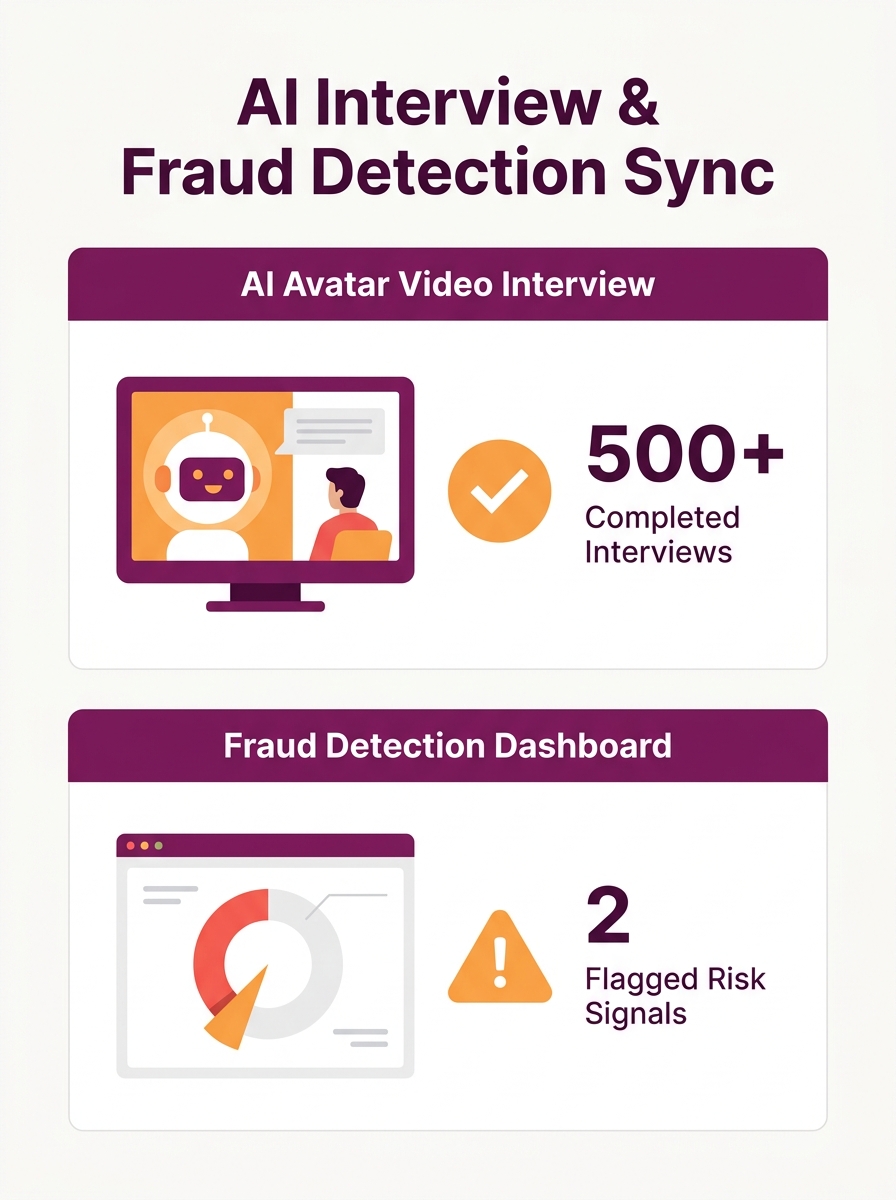
The legal concern centers on AI-assisted interview platforms that combine video analysis with fraud detection software. These systems flag suspicious behaviors such as unusual pauses or eye tracking patterns during candidate interviews, ostensibly to detect candidates using external aids to answer questions. More advanced versions analyze facial expressions and vocal tone—functionality that resembles the physiological measurements banned under Massachusetts employment law.
Chatbots and Avatars Handle Screening-Stage Interviews
Companies are deploying AI chatbots to conduct early-stage screening interviews through interactive question-and-answer sessions, according to Sinacole, founder of Boston-based First Beacon Group LLC. The tools filter and remove unqualified candidates by analyzing text or voice responses, then suggest which applicants should advance to human reviewers.
Video interview platforms have evolved beyond asynchronous recordings to include AI avatars that resemble virtual video calls with human-like characters. Built-in fraud detection monitors candidate behavior during these interactions, creating a layer of automated evaluation before any human involvement.
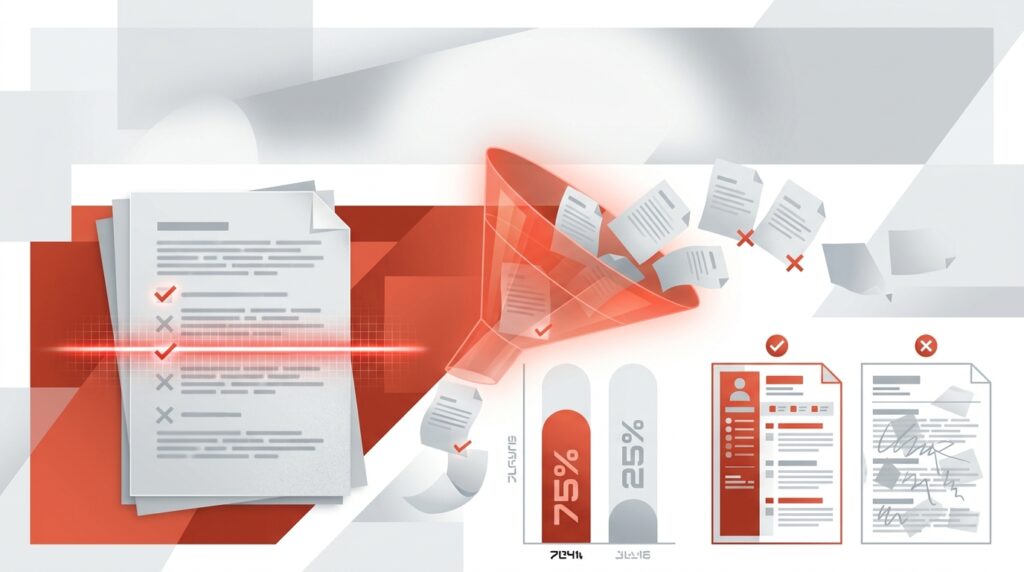
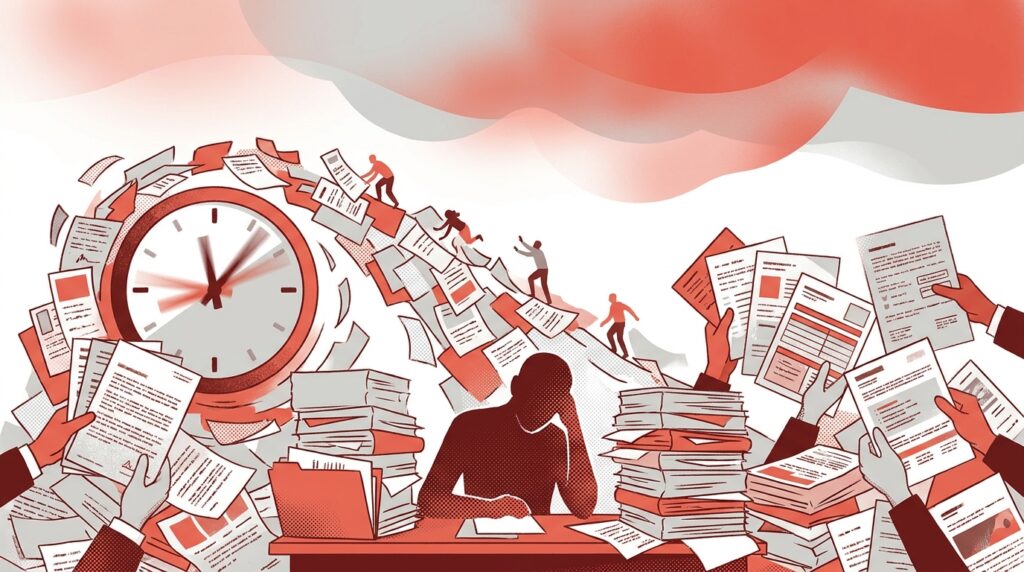
Resume screening has become largely algorithmic. AI platforms assess qualifications and match resumes to position requirements based on keyword searches and skill identification, allowing recruiters to search by specific competencies rather than manually reviewing hundreds of applications. Hiring professionals report being overwhelmed by application volume, particularly as candidates adopt broad-application strategies hoping “one opportunity sticks,” Sinacole noted.
Soft Skills Assessment and Bias Concerns Persist
Employers report that AI screening tools struggle to assess soft skills, which remain difficult to evaluate through algorithmic methods. The question facing hiring professionals is whether algorithms identify the most qualified candidate or simply the candidate with the best-optimized resume, according to the analysis.
Bias represents a growing area of concern. Supporters argue that consistent algorithmic processes can reduce human bias when reviewing qualifications only. Critics counter that AI tools may disadvantage non-native English speakers, candidates with disabilities, and applicants who lack technical fluency with digital interview platforms.
Some employers now ask candidates to confirm they have not used AI to build their resumes. When companies receive 20 applications with identical formatting and remarkably similar language, it raises flags about AI-generated content, Sinacole said. Meanwhile, job seekers increasingly use AI to write resumes, cover letters, and prepare interview responses—a practice they defend by pointing to employers’ own reliance on automated hiring tools.
Candidate Experience and Data Privacy Questions
Job seekers express concern about being “hired by a machine as opposed to being hired by a human,” according to the analysis. The complaint surfaces particularly at companies that claim commitment to candidate experience while deploying impersonal AI tools to eliminate applicants.
Candidates worry whether employers will scrape data from their online presence—social media profiles, images, videos—to supplement formal application materials. Data security fears accompany these concerns, though the analysis did not detail specific privacy incidents.
Sinacole recommended that companies regularly critique how AI is being used in hiring, analyzing algorithms, assessing candidate quality, monitoring for bias, and evaluating the candidate experience. The use of AI in recruitment will continue to grow, she wrote, but companies should deploy it as an enhancement to their selection process rather than the sole decision-making tool.
What This Means for In-House Recruiters
Compliance risk now extends beyond federal EEO requirements to state-level restrictions on automated assessment methods. Recruiting teams operating in Massachusetts—or managing candidates who may apply from Massachusetts—need legal review of any AI platform that analyzes physiological or behavioral signals during interviews. The lie-detector test prohibition creates ambiguity around video analysis tools that many ATS vendors have integrated or partnered with over the past 18 months.
The 30% adoption figure suggests AI screening has moved from early-adopter phase to mainstream practice, making vendor due diligence critical. Recruiting teams should document what specific algorithmic functions their platforms perform, particularly around bias detection and soft skills evaluation, and maintain audit trails showing where human judgment remains in the workflow. Tools marketed as efficiency gains can become legal liabilities when their underlying logic resembles regulated assessment methods.
The candidate experience tension—efficiency versus personalization—will likely sharpen as application volumes rise and AI-generated resumes flood applicant pools. Recruiting teams need clear policies on acceptable AI use by candidates, disclosure requirements, and verification methods that don’t themselves trigger compliance concerns. The “hired by a machine” complaint signals a branding risk for employers whose talent acquisition messaging emphasizes culture and human connection while their actual hiring process runs almost entirely through automated filters.