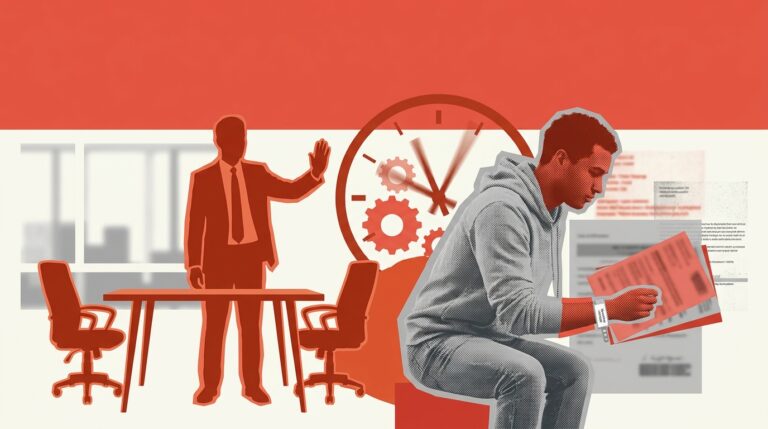
A recruiter stopped an interview mid-conversation on July 4 after discovering the candidate had arrived directly from hospital discharge, fearing that requesting a reschedule would cost him the job opportunity, according to a LinkedIn post that drew widespread attention from hiring professionals.
TL;DR: LinkedIn user Juhi Bhatia paused an interview after learning a candidate came from the hospital because he feared rescheduling would eliminate him from consideration, prompting discussion about candidate experience and hiring process empathy.
Juhi Bhatia, the recruiter who shared the experience on LinkedIn, noticed the candidate appeared unusually low on energy during the virtual conversation. When she asked if he was okay, he disclosed that he had just been discharged from the hospital that day.
“I paused the interview and asked him why he hadn’t requested a reschedule,” Bhatia wrote in the post. “He said he was scared to reschedule because he really needed the job. That broke my heart.”
The Candidate’s Fear of Losing the Opportunity
The candidate’s decision to attend the interview while medically compromised stems from a widespread perception among job seekers that any request for accommodation signals unreliability to hiring teams. Bhatia rescheduled the interview and explicitly assured the candidate that the delay would not affect his candidacy or chances for the role.
“It is heartbreaking to see what people face in today’s job market, feeling like they cannot take time to rest because they fear losing an opportunity,” Bhatia wrote. She called for hiring processes “where people are treated with care, understanding and, above all, as human beings.”
The post resonated across LinkedIn, with recruitment professionals and job seekers sharing similar experiences. One commenter noted, “Job seekers have internalised the idea that any sign of vulnerability, even being discharged from hospital, will be seen as unreliability rather than honesty.”
Recruiters and Candidates Share Parallel Experiences
Multiple hiring professionals responding to Bhatia’s post described pausing interviews under similar circumstances. One recruiter wrote, “A candidate once joined an interview looking very drained. When I checked in, he shared that he had just dealt with a family medical situation. He still wanted to continue because he was worried about missing the opportunity. I paused the interview and rescheduled it, reassuring him that it would not affect his chances.”
The contrast between empathetic rescheduling and rigid process adherence appeared in the comments. A job seeker reported requesting an interview reschedule with a major fashion brand due to bronchitis and receiving an automated rejection email within 20 minutes. “This job market is brutal,” the commenter wrote.
The dynamic reflects a broader tension in candidate experience where process efficiency can override human judgment. Candidates interpret tight scheduling and rapid-fire interview sequences as signals that flexibility will be penalized, leading them to suppress medical issues, family emergencies, or other legitimate conflicts.
Why Candidates Prioritize Interviews Over Health
The candidate’s behavior—attending an interview immediately after hospital discharge—illustrates the power imbalance many job seekers perceive during hiring. Fear of being removed from consideration for requesting accommodation overrides medical advice to rest.
LinkedIn users praised Bhatia’s approach as unusual rather than standard. “Your network is fortunate to have you. You are changing the trajectory of hiring, one story at a time,” one commenter wrote. The framing of empathy as exceptional, rather than baseline, underscores how rarely candidates encounter flexibility during screening.
The incident also highlights the limitations of automated scheduling systems that treat interview slots as immovable. When candidates interact primarily with calendar links and confirmation emails rather than human recruiters, they lack a clear channel to request changes without triggering rejection anxiety.
What This Means for In-House Recruiters
This case demonstrates that candidate experience signals—how you handle rescheduling, illness, or emergencies—become employer brand data points that candidates share publicly. Bhatia’s LinkedIn post generated visibility precisely because her response differed from the automated rejection many job seekers expect.
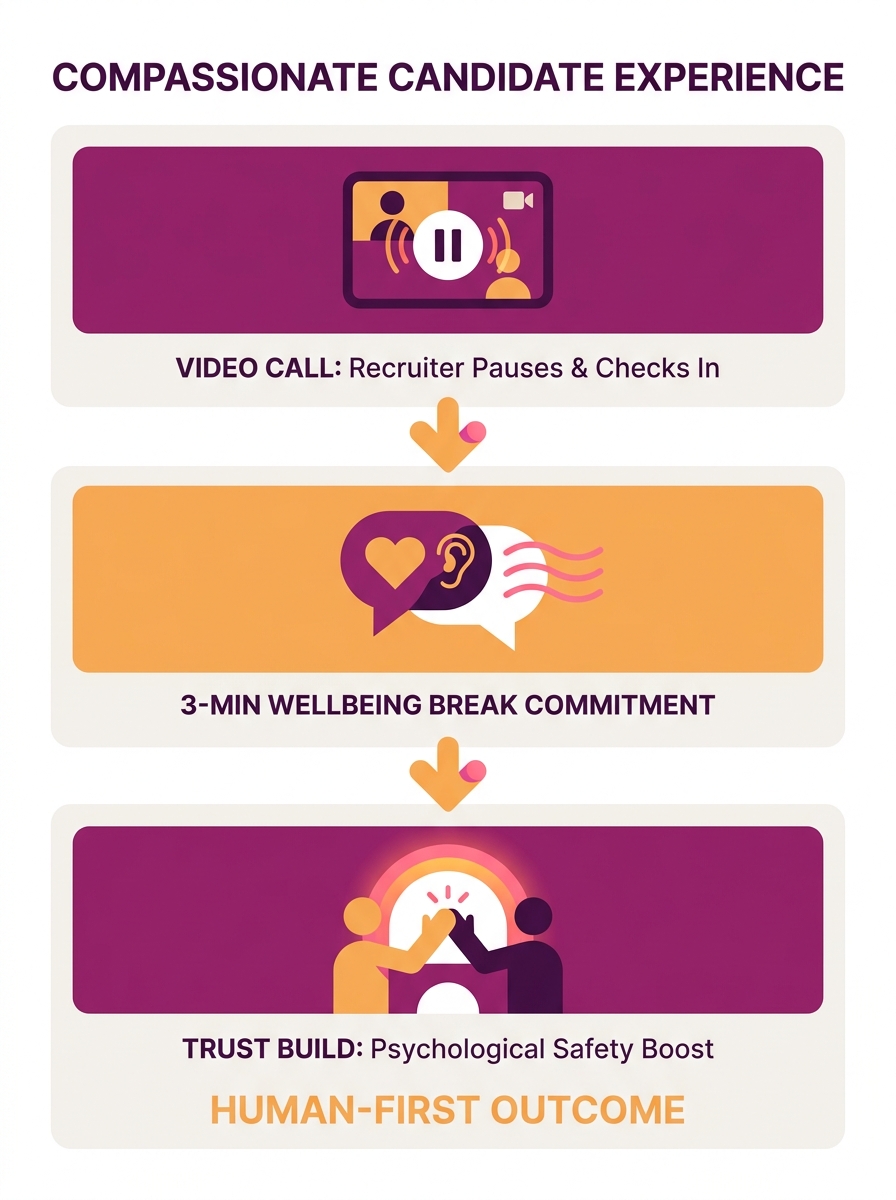
Recruiters can operationalize this lesson by building explicit flexibility into scheduling workflows. Include language in interview confirmations stating that candidates may request reschedules for health or emergency reasons without penalty. Train hiring managers to ask “Are you okay?” when candidates appear unwell during video interviews, and document that rescheduling for medical reasons does not affect scoring.
The viral response to Bhatia’s post also confirms that empathy gaps in recruitment are widespread enough that a single instance of basic accommodation becomes newsworthy. In-house teams competing for talent in tight markets should audit whether their scheduling systems and interviewer training allow for the human judgment this candidate needed—and whether candidates know that flexibility exists before they feel forced to choose between health and opportunity.