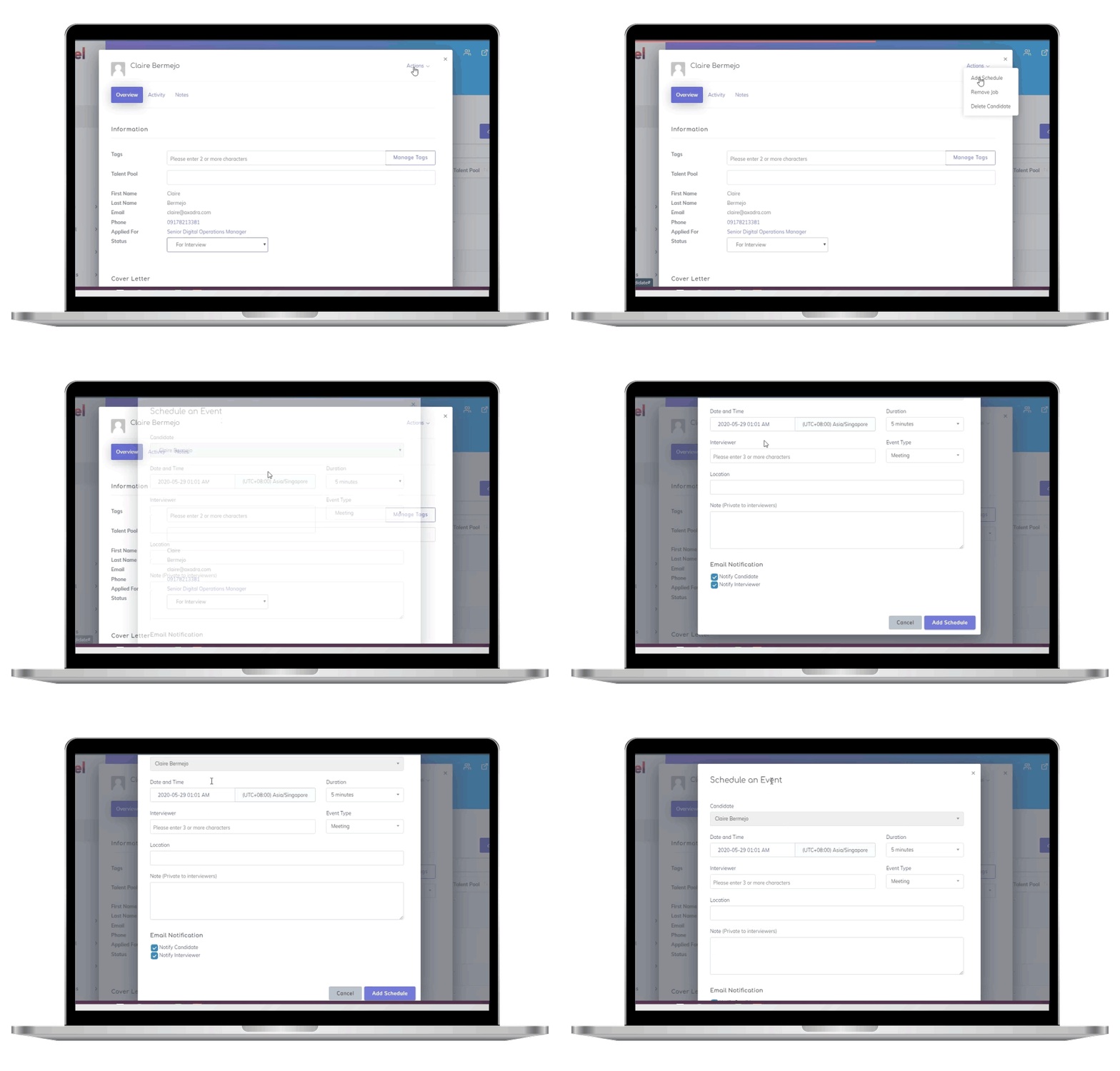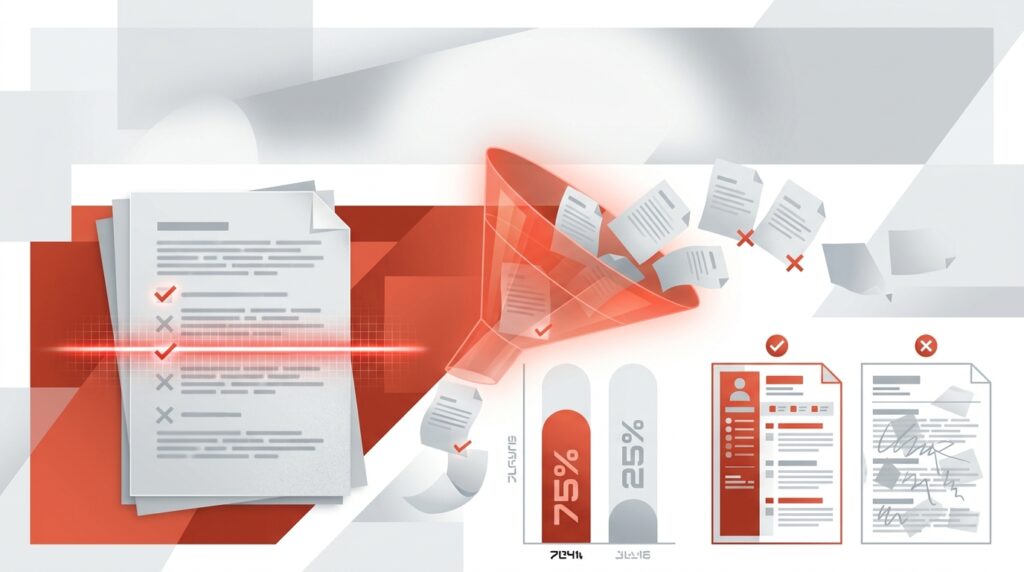

Sixty percent of HR professionals now rank AI as their top priority across recruitment, onboarding, and workforce management, marking a sharp acceleration in automation adoption, according to a Genius HRTech survey of 1,811 professionals conducted between May 7 and May 31. Another 15 percent reported AI as a growing priority in specific functions, bringing the total focus on AI-driven HR technology to 75 percent of respondents.
TL;DR: Three in four HR professionals now treat AI as either a top or growing priority, driven primarily by efficiency gains and cost pressure, with 42% already reporting faster HR processes and 42% seeing reduced reliance on manual roles.
The findings, published June 21 in Genius HRTech’s “AI As The New HR Priority, Efficiency, Cost and Workforce Impact” report, signal that AI adoption in HR has moved from experimental pilots to core operational strategy. The survey captured responses across industries during a four-week window in May 2026, a period when multiple jurisdictions implemented new AI compliance mandates and recruiting teams faced mounting pressure to reduce time-to-hire while managing smaller budgets.
Why HR Teams Are Prioritizing AI Now
Efficiency and productivity improvement drove AI adoption for 60 percent of survey respondents, the report found. Cost reduction and workforce optimization ranked second at 20 percent, reflecting budget constraints that have pushed HR leaders toward automation as headcount growth slows.
“Successful AI adoption is not about replacing people, it is about enabling them,” said R P Yadav, Genius HRTech Chairman, in a statement accompanying the report. “Businesses that combine intelligent automation with human expertise, transparency and ethical governance will build stronger, more resilient workplaces.”
The timing aligns with broader workforce planning shifts. A recent projection from the Josh Bersin Company forecast HR teams shrinking by 30-50 percent by 2030 as agentic AI takes over transactional work, leaving fewer professionals managing higher-stakes strategic decisions. The Genius HRTech survey data suggests that shift is already underway, with recruiting and onboarding named as the two functions where AI is most actively deployed.
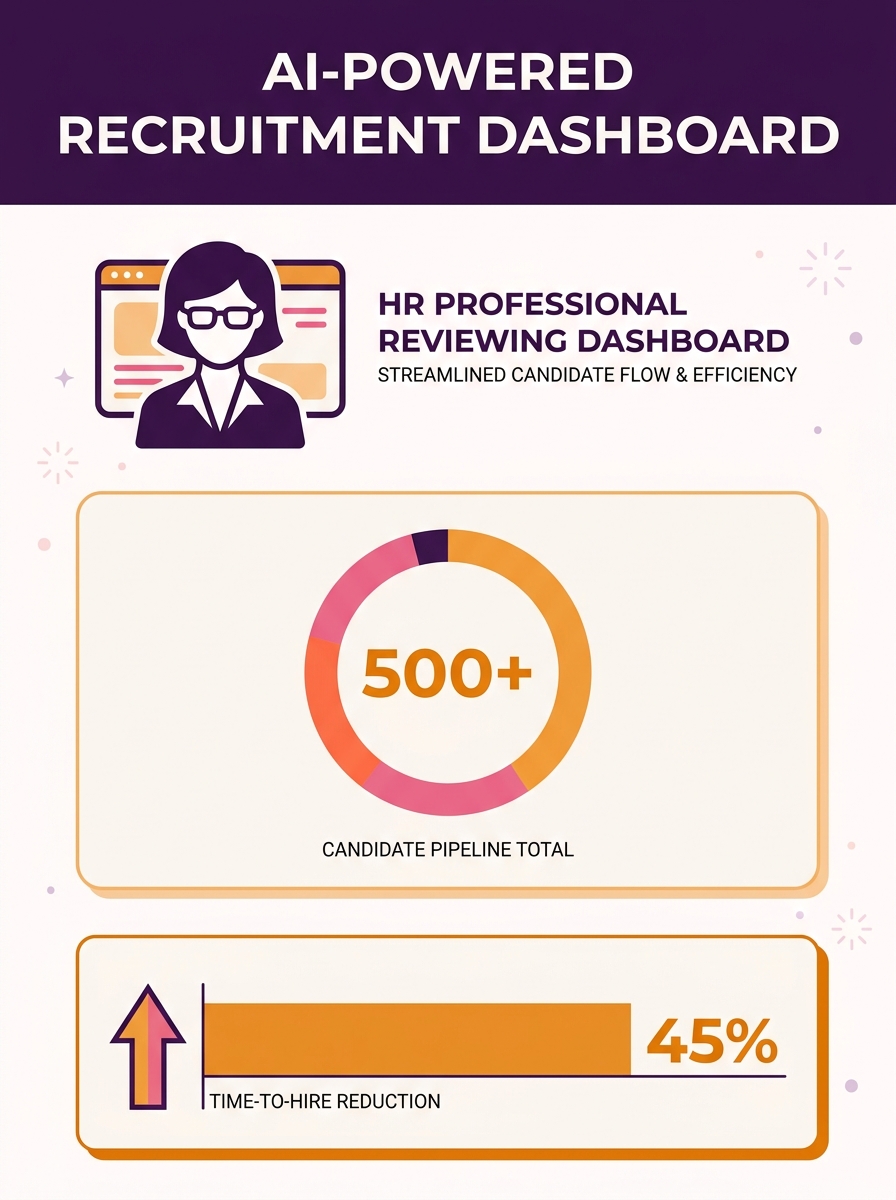
How AI Is Changing Daily HR Operations
Forty-two percent of respondents reported significant improvements in the speed and efficiency of HR processes, while another 29 percent noted moderate gains, according to the survey. Combined, 71 percent of HR professionals see measurable process acceleration from AI tools, particularly in resume screening, interview scheduling, and new-hire documentation workflows.
The speed gains come with trade-offs. Research from Harvard Business School showed that applicant tracking systems filter out millions of qualified workers before human review, a dynamic that intensifies when AI screening runs without regular audits. HR teams adopting AI-driven recruitment software for enterprise teams face ongoing governance requirements to ensure automated decisions don’t introduce bias or legal exposure.
Recruitment and onboarding emerged as the two areas where automation is making HR processes “faster and more seamless,” the report stated. That focus mirrors vendor development priorities; most ATS platforms now embed AI-powered resume parsing, skill extraction, and candidate matching as default features rather than premium add-ons.
Workforce Structure Implications
Forty-two percent of professionals believe AI is reducing reliance on manual or repetitive roles, while 37 percent see it enabling smarter workforce planning, the survey found. The combined data points to a structural shift toward what the report termed “technology-enabled, skill-first organisations.”
The skill-first framing tracks with broader hiring trends documented this month, where major employers are abandoning credential-based resume screening in favor of AI-verified skill assessments. The transition is happening years ahead of earlier projections, with 42 percent of survey respondents already reporting reduced manual roles, a figure that suggests automation is cutting HR headcount faster than many organizations publicly acknowledge.
Cost optimization ranked as the second-most-cited reason for AI adoption at 20 percent, trailing only efficiency gains. That priority reflects budget reality: HR leaders are expected to maintain or improve hiring quality while absorbing the same or fewer resources. AI tools that automate candidate sourcing, screening, and communication workflows allow leaner teams to manage higher requisition volumes, but only if those tools integrate cleanly with existing enterprise recruitment software stacks.
What This Means for In-House Recruiters
The survey confirms what many recruiting teams already feel: AI has moved from optional enhancement to expected infrastructure. Sixty percent of HR professionals treating AI as a top priority means in-house recruiters who haven’t yet automated resume screening, interview scheduling, or candidate communication workflows are now operating at a structural disadvantage. The efficiency gap compounds quickly, a team using AI-powered resume parsing and skill matching can process three to five times the candidate volume of a team doing the same work manually.
The cost-optimization driver (20 percent of respondents) also carries a warning. When AI adoption is framed primarily as a headcount-reduction lever rather than a quality-improvement tool, recruiting teams risk deploying automation without the governance guardrails that prevent discrimination claims or candidate experience failures. Employers own legal liability for AI hiring tools regardless of vendor source, and the survey’s 75 percent adoption figure suggests compliance audits will only intensify as regulators scrutinize a much larger pool of AI-driven hiring decisions.
For talent acquisition leaders evaluating budget requests, the 60 percent top-priority figure provides a competitive-positioning argument: lagging on AI adoption now means falling behind the majority of peer organizations in speed, cost efficiency, and workforce planning capability. The question is no longer whether to adopt AI in recruiting, but which processes to automate first and how to audit those tools to avoid the legal and candidate-experience pitfalls that come with rushed implementations.