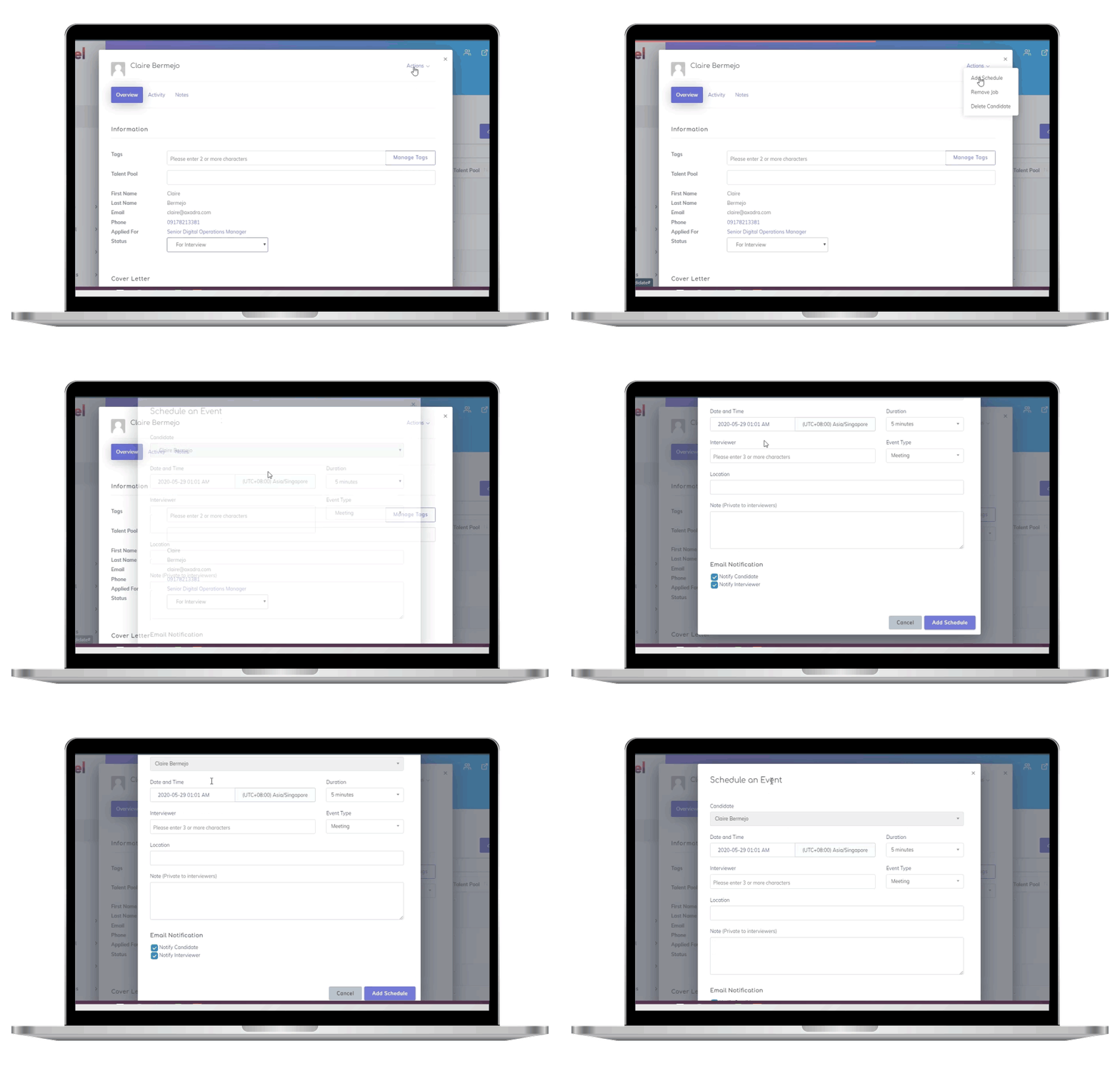

HR software provider Netchex published guidance July 30 identifying six core ATS capabilities that small HR teams should prioritize when evaluating applicant tracking systems, according to a blog post aimed at organizations where two or three HR staff manage recruiting alongside benefits administration, compliance, and onboarding for workforces of 75 or more employees.
TL;DR: Netchex published a six-feature ATS selection framework July 30 targeting small HR teams that handle recruiting without dedicated recruiters, emphasizing minimal setup requirements and direct onboarding integration over enterprise functionality.
Six Capabilities Replace Enterprise Feature Sets
The framework specifies one-click job posting to multiple boards, simple candidate pipeline views accessible without training, automated candidate communication, mobile interfaces for hiring managers, direct connection to onboarding workflows, and automatic EEOC compliance reporting as the required feature set, according to the Netchex guidance.
Enterprise applicant tracking systems built for recruiting departments running hundreds of simultaneous job requisitions create “configuration requirements before you can use the product, training requirements before your hiring managers can log in, and admin overhead that falls entirely on your HR team,” the post states. Small teams posting individual jobs and moving candidates through straightforward approval processes face productivity losses when ATS tools designed for large-scale recruiting operations introduce complexity that requires dedicated system administration.
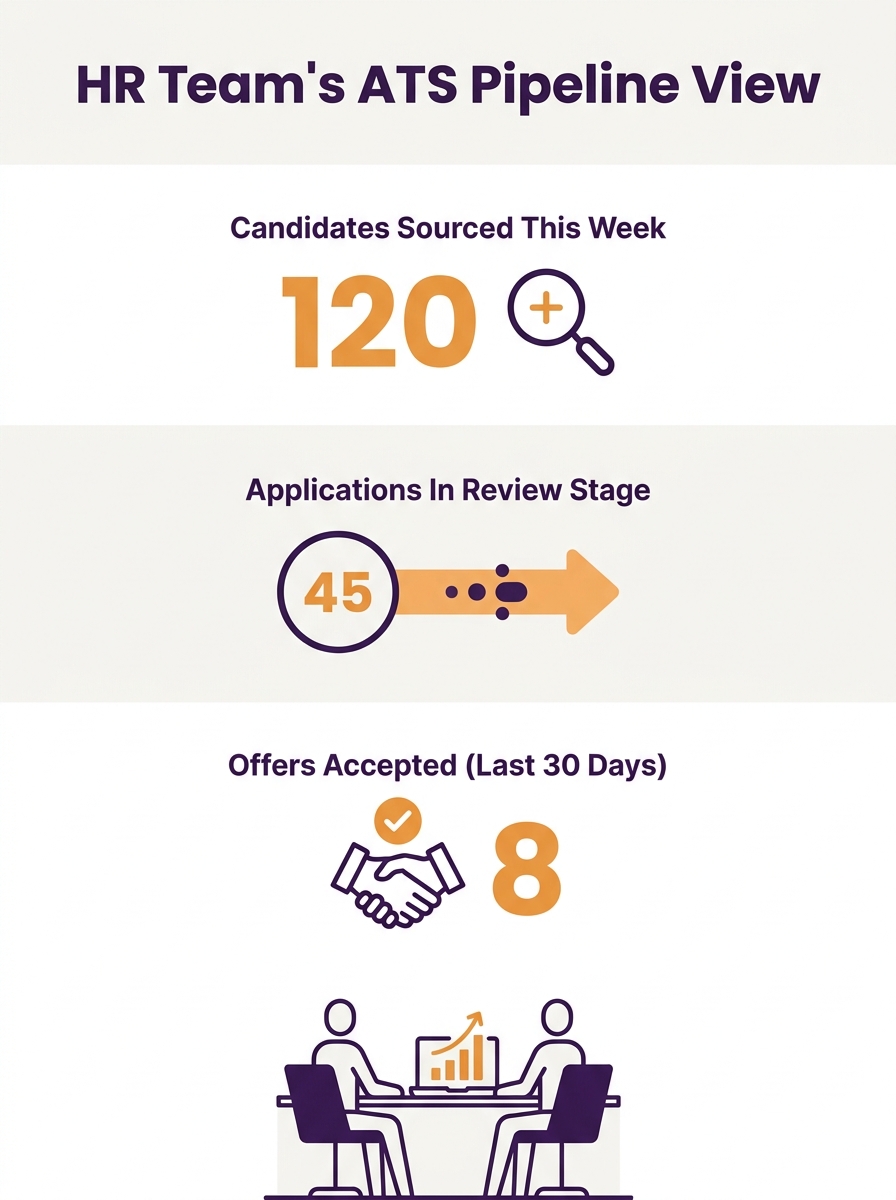
The direct connection between recruiting and onboarding represents “the feature that saves the most time and creates the cleanest new hire record,” according to the framework. When candidate acceptance triggers automatic data transfer to onboarding systems, HR teams avoid re-entering information from the ATS into separate HRIS platforms—a manual step the guidance identifies as “exactly the kind of unnecessary work a small team can’t afford.”
Speed Losses Compound in Extended Hiring Cycles
Time-to-fill metrics have grown significantly over the past decade, according to Society for Human Resource Management research cited in the Netchex post. Small teams using slow or complicated ATS platforms “lose candidates to employers who can act faster,” the guidance states, positioning system speed as a competitive factor in tight labor markets where qualified candidates receive multiple offers.
The framework describes the practical recruiting context for lean HR operations: “When you’re a team of two or three managing HR for a 75-person company, recruiting doesn’t get a dedicated resource. It gets squeezed in between benefits enrollment, compliance questions, and the onboarding paperwork for the three people who started last week.”
Hiring manager participation represents another speed factor. Mobile-accessible interfaces let managers review candidates “during a break or between meetings” rather than requiring desktop access, according to the selection criteria. Systems requiring special training before hiring managers can log in and leave feedback introduce delays that small teams working across multiple HR functions cannot absorb without extending overall hiring timelines.
Automated Distribution and Compliance Tracking Reduce Manual Overhead
One-click distribution to job boards including Indeed, LinkedIn, ZipRecruiter, and company career pages eliminates manual cross-posting that “eats time your team doesn’t have,” the framework states. Automated candidate communication for status updates and scheduling confirmations removes the requirement for HR staff to send individual messages at each process step.
Automatic EEOC data capture addresses compliance requirements without requiring small teams to build separate tracking spreadsheets. The framework positions compliance automation as foundational rather than optional, stating the ATS “should capture the data required for EEOC reporting automatically.”
The guidance contrasts minimal-setup requirements against enterprise systems that demand extensive configuration before basic recruiting functions become operational. For teams managing benefits, compliance, and onboarding alongside recruiting responsibilities, ATS tools that require ongoing administrative attention create “process without adding value,” according to the post.
Netchex markets its own recruiting module as meeting the framework criteria, with built-in job posting distribution, configurable pipelines accessible to hiring managers, and direct data flow to the company’s onboarding platform. “When the same system handles recruiting, onboarding, and payroll, the new hire record is built once and used everywhere,” the post states.
The Takeaway
The framework published July 30 positions ATS selection for small HR teams as a scope-matching exercise rather than a feature-count comparison. Teams stretched across recruiting, benefits, compliance, and onboarding functions need systems that run autonomously rather than platforms requiring dedicated administration—a distinction that becomes concrete in criteria like one-click posting, zero-training pipeline access, and automatic onboarding handoffs. The six-capability checklist offers small teams a practical filter when evaluating ATS platforms that vary widely in complexity and implementation overhead, particularly as SHRM data shows time-to-fill windows continuing to expand. For organizations where recruiting competes with immediate benefits questions and compliance deadlines, setup speed and ongoing maintenance requirements matter as much as candidate-facing features.