
Personal AI use by HR professionals runs more than twice as high as workplace AI integration, with 81% of HR teams using AI tools individually but only 36% deploying AI into actual workforce processes, according to interviews with six HR technology leaders recorded at HR Tech Europe in Amsterdam this spring.
TL;DR: Six HR tech experts told podcast host Matt Alder at HR Tech Europe that organizational culture and missing data foundations—not technical capability—are stalling AI adoption in recruitment and HR workflows.
The interviews, recorded live at the RAI Amsterdam show floor for recruiting analyst Matt Alder’s Recruiting Future podcast, reveal that most HR organizations have stalled between pilot-stage AI curiosity and production-scale deployment. The adoption gap widens at enterprise scale: 45% of organizations with more than 5,000 employees have integrated AI into workforce processes, compared to 36% across all company sizes, according to Stacey Harris of Sapient Insights Group, whose firm conducts the market’s longest-running HR systems survey, now in its 29th year.
The conversations featured Harris; H&M Group’s Melissa Shelley Höjwall, who leads global HR digitalization; Stockholm-based HR technology analyst Anna Carlsson; Institute for Competitive Recruiting’s Wolfgang Brickwedde; recruitment analyst Mervyn Dinnen; and HR transformation leader Nazim Ünlü. The pattern across all six: organizations know AI exists but haven’t built the cultural trust or data infrastructure required to move from experimentation to execution.
Culture and Psychological Safety Block AI Implementation Before Technical Issues Surface
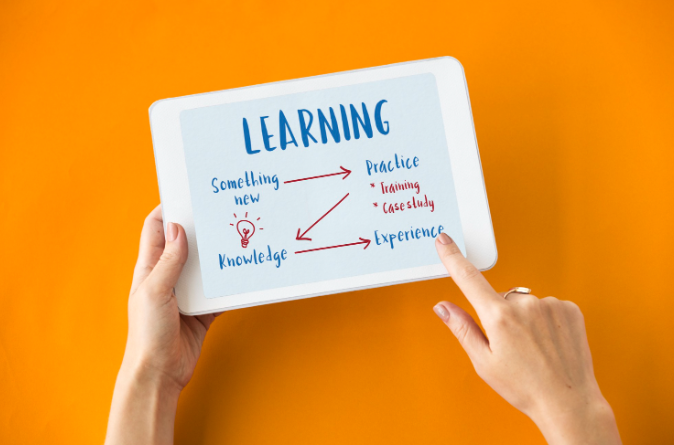
Anna Carlsson described a recurring stall point where HR leaders express high interest in AI but cannot move conversations past awareness to implementation. “The thing about how to take AI and make it productive in your organization is moving from just knowing to doing something,” she said during her interview, adding that most organizations “are not really there yet” when asked about data infrastructure readiness.
Carlsson advised organizations to prioritize psychological safety ahead of technical capability. “You have to have trust in how you can do it or feel that secure space,” she said, describing successful deployments as taking a “guerrilla approach” that gives employees dedicated time and explicit permission to test AI tools rather than issuing mandates from senior leadership. The constraint, she argued, is whether employees trust the organization enough to try something unfamiliar—a cultural dynamic that applicant tracking system deployments also surface when recruitment teams resist adoption.
Harris confirmed the pattern in Sapient Insights’ survey data. HR professionals use AI personally for tasks like email rewrites and strategy drafts at high rates, she said, but deployment into employee-facing processes requires additional scrutiny of data use and regional compliance that slows adoption. “HR knows their compliance better than anyone else,” Harris said. “They’re not out there putting personal information on those tools.” She projected a 10% to 15% increase in workflow-level AI adoption during 2026 and cautioned against interpreting the slower pace as reluctance rather than appropriate governance.
H&M Group: Data Alignment Must Precede Agentic AI Deployment
Melissa Shelley Höjwall, who oversees HR digitalization for H&M Group globally, said most large organizations deploy AI agents one task at a time without integrating them across the employee lifecycle. The missing piece, according to Höjwall, is a stable data foundation that allows agents to act on consistent inputs. Aligning how data gets entered across a global organization “so that apples are compared to apples” is unglamorous infrastructure work that must happen before agents can be trusted to make decisions, she said.
Even with that foundation in place, Höjwall noted that most companies still lack what analyst Josh Bersin calls a “super agent”—an orchestrating layer capable of coordinating narrower task-specific agents and holding an end-to-end process together. “How are they connected? How are they creating a cohesive experience?” she said, describing the current state as fragmented.
Harris described parallel fragmentation at the market level. Buyers are exhausted by vendor messaging that positions HR technology as either a single unified system or a collection of best-of-breed point solutions, she said. “Neither of those models has worked.” Sapient Insights has instead tracked the emergence of what Harris calls a platform cluster model: anchor systems built around a company’s core priorities, connected to marketplaces and ecosystems of smaller tools, with data moving between clusters rather than residing in one centralized system. That approach mirrors how enterprise recruitment software buyers increasingly configure their stacks—selecting a core ATS and layering specialized tools for video interviewing, skills assessment, and candidate engagement.
Companies Cut Headcount to Fund AI Investment Before Productivity Gains Materialize
Harris and Höjwall both disputed narratives that connect AI adoption directly to immediate productivity-driven layoffs. “It’s not that they’re getting the outcomes from AI yet,” Harris said. “What they are banking on is that they will eventually get those outcomes, and they have to pay for the investment in AI somehow.” Because the HR line item typically represents an organization’s largest cost center, boards pressure leaders to fund AI pilots by cutting headcount rather than waiting for measurable productivity improvements, she said—a dynamic explored in earlier reporting on AI return on investment timelines in HR.
Höjwall described organizations simultaneously over-governing AI usage, which pushes employees toward unsanctioned shadow AI tools, and under-preparing before implementing headcount reductions. “Management or management consultants supporting management come in and decide that, ‘Hey, we’re going to reduce this department by 20%,'” she said. “And then they quote AI, and then they go out and make people redundant.” She added that she does not recommend that approach.
Both experts pointed to IKEA’s customer service redesign as a counterexample. Harris said the company moved 8,500 employees off routine advisory work after deploying AI, but retrained and redeployed those workers into higher-value roles rather than eliminating positions. The approach required investing in workforce planning and skills mapping before making technology changes—the same sequencing Höjwall described as necessary for agentic AI to work.
The Takeaway
The HR Tech Europe interviews reveal that the AI adoption gap in recruitment and HR isn’t a capability problem—it’s a sequencing problem. Organizations trying to deploy recruitment software for enterprise teams or automate candidate screening without first addressing cultural trust and data alignment consistently stall at the pilot stage. Harris’s finding that 81% of HR professionals use AI personally but only 36% have integrated it into workforce processes points to governance and infrastructure constraints, not user reluctance.
For talent acquisition leaders evaluating AI-powered ATS features or agent-based screening tools, the message is tactical: psychological safety and data foundation work must precede agent deployment. The companies advancing past pilots—like IKEA’s 8,500-employee redeployment—invested in workforce planning and alignment before making technology bets, not after. Boards pressuring HR teams to cut headcount immediately to fund AI pilots are, according to both Harris and Höjwall, skipping the foundation work that makes AI adoption sustainable. The 10% to 15% workflow adoption increase Harris expects in 2026 suggests the market is moving, but organizations that treat culture and data as afterthoughts will remain stuck in the 81%-to-36% gap that defines the current stall.