Recruiting top talent is all about making a strong first impression. Candidates quickly decide whether your outreach feels personal or like a generic template. Automation tools powered by AI solve this challenge by enabling recruiters to personalize messages at scale while saving time. Companies using these tools have seen a 60% increase in candidate response rates and reduced manual effort by 50%.
Here’s how automation transforms candidate outreach:
- Custom Email Templates with Dynamic Fields: Automate emails that feel personal by pulling candidate-specific details (e.g., skills, role, achievements) directly from your ATS.
- AI-Powered Messaging: Use AI to craft tailored messages that highlight candidate accomplishments and align with job roles.
- Multi-Channel Sequences: Coordinate personalized communication across email, LinkedIn, and SMS to engage candidates where they’re most active.
- Behavior-Based Triggers: Respond to candidate actions (e.g., email opens or link clicks) with follow-ups that feel timely and relevant.
- Data-Driven Insights: Leverage data to target the right candidates and refine messaging for better engagement.
Automation doesn’t replace the human touch – it enhances it by freeing up recruiters to focus on building relationships. Platforms like Skillfuel make this process even smoother by integrating scheduling, Kanban boards, and dynamic messaging into recruitment workflows.
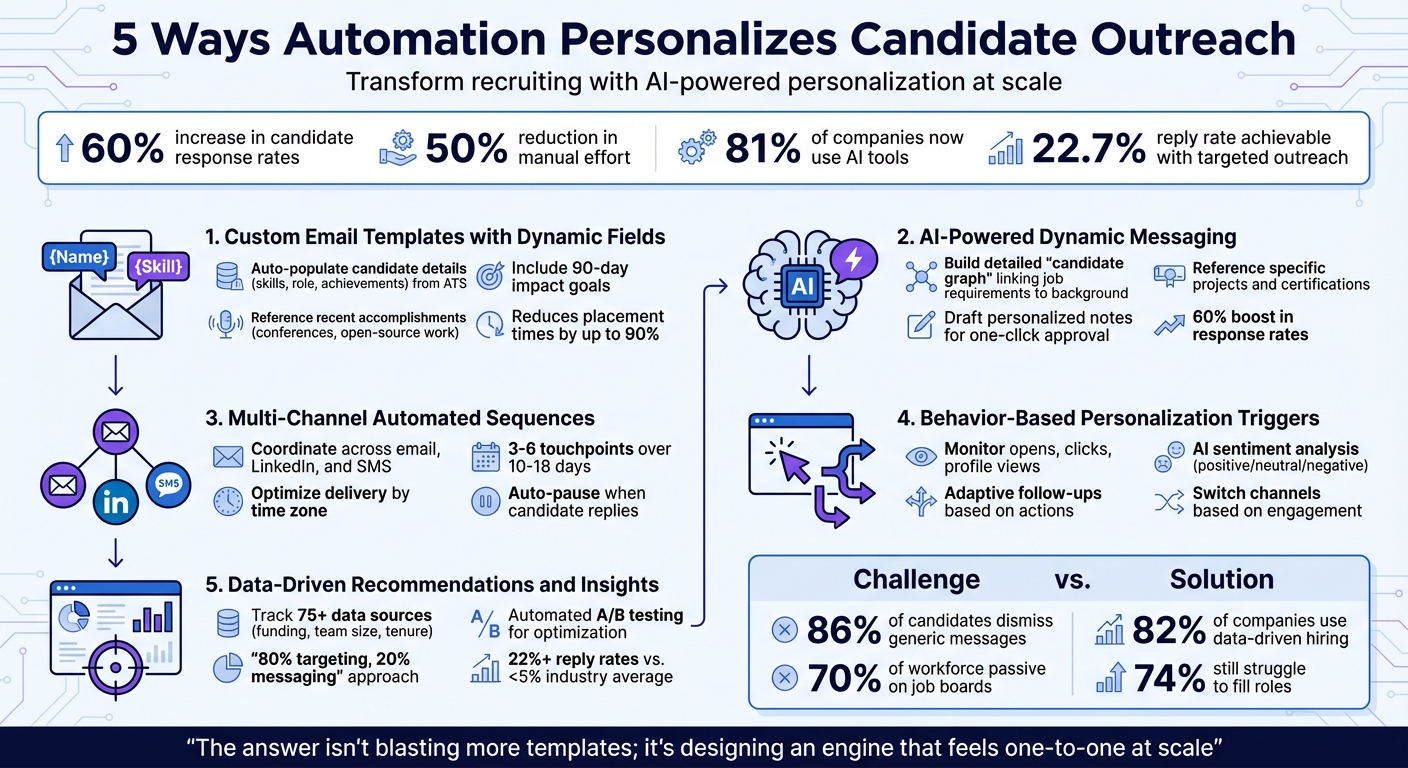
5 Ways Automation Personalizes Candidate Outreach
1. Custom Email Templates with Dynamic Fields
Personalization Capabilities
Dynamic fields take email templates to the next level by turning one generic message into hundreds of tailored ones. They pull specific details – like a candidate’s skills, current company, job title, or the platform they were sourced from – directly from your applicant tracking system (ATS). This eliminates the need for manual data entry and ensures every email feels personal.
Some advanced templates even go beyond the basics, referencing recent achievements to establish relevance right away. For instance, an email might highlight a candidate’s open-source contribution or a talk they gave at a recent conference. These details, often called "receipts of relevance", prove that the recruiter has done their homework. Templates can also include specifics about the role, such as 90-day impact goals, making the outreach feel even more targeted.
Automation Features
Modern recruitment platforms leverage AI to craft engaging and highly personalized messages. These tools pull data from your ATS to surface key insights – like past interview notes or objections a candidate raised during a previous hiring cycle – and use them to populate email templates in real time. From personalized subject lines that boost open rates to preview text that grabs attention, automation ensures every detail is optimized.
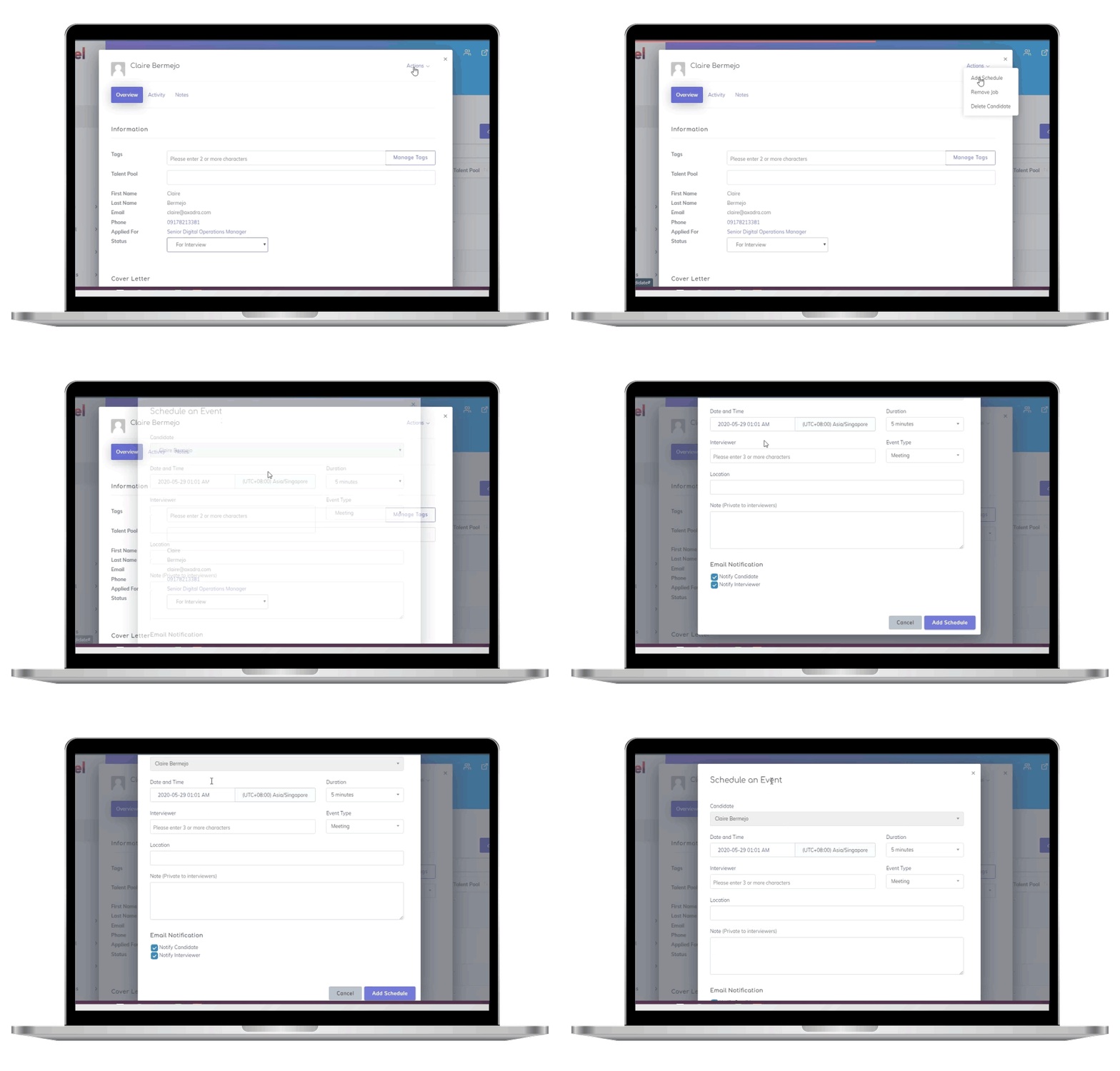
Skillfuel, for example, automates outreach by including the interviewer’s name, next steps, and even a direct scheduling link – all seamlessly filled in using dynamic fields. This process not only saves time but also enhances candidate engagement by making communication feel timely and relevant.
Impact on Candidate Engagement
Companies using these systems have reported reducing placement times by up to 90%, all while maintaining quality hires. Personalized outreach – where a candidate’s specific skills or achievements are highlighted in the first few sentences – creates a lasting impression. It shows candidates that they’re more than just a name in a database, transforming their experience during the hiring process.
"When communications feel generic, candidates lose interest and trust. When they feel personal and timely, candidates stay engaged." – Beephire.ai
The shift from impersonal messages like "Dear [Name]" to emails that reference a candidate’s current role or company can make all the difference. These small but meaningful touches can turn a template into a conversation starter – and ultimately, into a successful hire.
sbb-itb-e5b9d13
How to Automate Recruiting with AI Agents
2. AI-Powered Dynamic Messaging
AI-driven messaging takes personalized outreach to a new level, using advanced tools to tailor communications based on candidate-specific insights.
Personalization Capabilities
AI-powered messaging does more than just insert a candidate’s name into a template. These systems build a detailed profile, or "candidate graph", that connects job requirements with signals from a candidate’s background – like recent projects, certifications, or even mentions in the news. This allows recruiters to send messages that feel genuinely personalized, often referencing specific achievements right in the opening lines. For instance, a recruiter might write: "Your work on [specific project] aligns perfectly with how we approach [specific impact] at our company." This kind of detail makes candidates feel recognized for their unique contributions rather than treated as just another name on a list.
Instead of relying on generic templates, AI tools analyze profiles to highlight standout achievements. Whether it’s a published paper or a recent certification, these tools craft messages that feel authentic and tailored. The result? Candidates are more likely to engage because the outreach feels intentional and thoughtful. This personalization also sets the stage for automated, multi-channel communication strategies.
Automation Features
Modern AI platforms don’t stop at sending a single email. They coordinate a full suite of outreach efforts across multiple channels – like email, LinkedIn, and SMS – using real-time triggers to adapt based on a candidate’s behavior. For example, if a candidate opens an email but doesn’t click on any links, the system might follow up 24–48 hours later with a LinkedIn message offering a fresh perspective, such as a team introduction video or a quick overview of the role.
These tools also use dynamic snippets to pull in details like a candidate’s skills, current job title, company, or location directly into the message. AI drafts these personalized notes for one-click approval, allowing recruiters to maintain quality while saving significant time. According to Beam AI, this approach has boosted response rates by 60% and reduced manual outreach efforts by half.
Impact on Candidate Engagement
Switching from generic outreach to AI-driven personalization transforms how candidates experience the hiring process. When messages highlight specific achievements and clearly explain why a role is meaningful, candidates are more likely to respond and remain engaged throughout the process.
"The next evolution of HR outreach is hyper-personalized and predictive." – Beam AI
AI also handles time-consuming tasks like research and outreach sequencing, freeing up recruiters to focus on building relationships with interested candidates. These systems automatically pause outreach the moment a candidate replies, avoiding the dreaded "automation spam" that can damage a company’s reputation. By keeping recruiters in control of final touchpoints – especially for high-priority or senior roles – this approach combines the efficiency of AI with the human touch needed for meaningful engagement.
3. Multi-Channel Automated Sequences
Personalization Capabilities
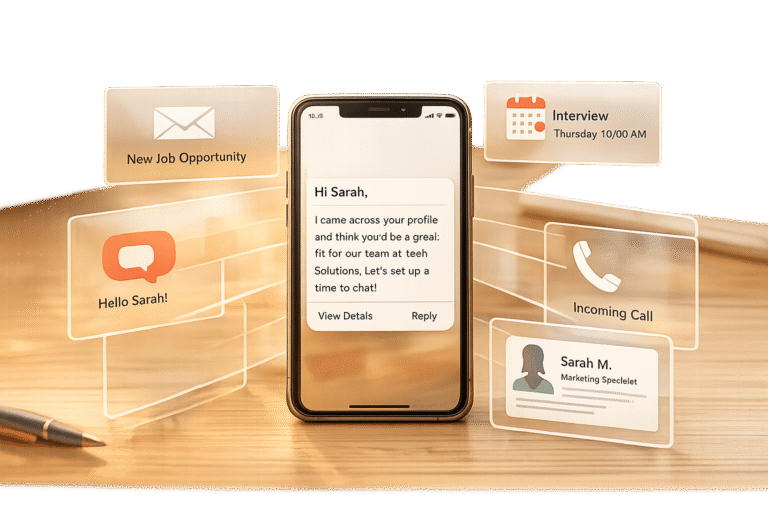
Multi-channel sequences take AI-driven messaging to the next level by tailoring communication across all candidate touchpoints. Each platform gets its own personalized message, creating a cohesive yet customized experience. For instance, a LinkedIn message might highlight a candidate’s recent project, while an email dives into the role’s impact and includes transparent details about compensation. Meanwhile, SMS is perfect for handling time-sensitive updates, like confirming interview schedules.
This system thrives on adaptability. Let’s say a candidate opens an email but doesn’t engage further – adaptive orchestration steps in to tweak the messaging, aiming to find what resonates most. This dynamic adjustment builds a "candidate graph", linking role requirements with the candidate’s unique background and skills. Essentially, it scales the level of personalization seen in dynamic messaging across all recruitment channels.
Automation Features
Modern recruitment platforms seamlessly coordinate outreach across email, LinkedIn, and SMS, using real-time triggers to guide interactions. For example, if a candidate clicks a link but doesn’t respond, the system might shift to a different channel or adjust the message’s tone and content. It even optimizes delivery times based on the candidate’s time zone and engagement history, ensuring messages arrive when they’re most likely to be noticed .
"The right platform isn’t ‘more sends.’ It’s precision: evidence-based personalization, channel orchestration that respects preferences." – Ameya Deshmukh, EverWorker
Automation also includes reply detection, which stops sequences as soon as a candidate responds, preventing unnecessary follow-ups. This feature ensures a smooth and respectful communication flow, enhancing the candidate’s experience. Typically, a multi-channel sequence involves 3–6 touchpoints over 10–18 days, with each interaction carefully timed and tailored.
Impact on Candidate Engagement
By extending personalized outreach across multiple channels, recruiters can reach candidates where they’re most comfortable, turning cold outreach into meaningful conversations. Diversifying contact points not only boosts engagement but also increases the chances of a response. For top candidates, authenticity is key – they often decide within moments whether a message feels genuine, making both the choice of channel and the content itself critical.
4. Behavior-Based Personalization Triggers
Personalization Capabilities
Behavior-based triggers take personalization to the next level by responding directly to a candidate’s actions. Recruitment automation tools monitor activities like opening an email, clicking on a link, or viewing a LinkedIn profile. These interactions guide the system’s next move. For instance, if a candidate checks out a project description but doesn’t reply, the system might send a follow-up referencing their work on a similar project or even highlight a recent publication they authored. This approach uses relevant markers to keep the outreach meaningful and engaging.
AI sentiment analysis also plays a role here, categorizing candidate responses as positive, neutral, or negative. When a reply shows subtle negativity or complexity, the system flags the conversation for a recruiter, ensuring a timely and thoughtful human response. These behavior signals lay the groundwork for the automated strategies discussed in the next section.
Automation Features
Behavior-based triggers shine through their adaptability. Suppose a candidate clicks on a link but doesn’t respond – automation steps in with a customized follow-up, like a 90-day role impact overview or a "meet the team" video. The system might even change the communication channel, switching from email to LinkedIn or SMS, depending on the candidate’s preferences. Timing is key, too. Using historical data and factoring in time zones, these systems send messages when candidates are most likely to engage.
With 81% of companies now using AI tools, these triggers have proven their worth, increasing response rates by 60%.
Impact on Candidate Engagement
These triggers let recruiters scale personalized outreach while maintaining a human touch.
"Personalization helps bridge the gap between efficiency and human connection" – Beephire
When messages reflect a candidate’s actual work or actions, engagement naturally improves. Features like quick access to scheduling links or clear next steps further encourage candidates to stay involved in the process. By connecting relevance with timing, behavior-based triggers make the recruitment journey smoother and more engaging.
5. Data-Driven Recommendations and Insights
Personalization Capabilities
Data-driven insights elevate candidate outreach to a whole new level of precision. By leveraging behavior-based triggers, automation systems create a detailed candidate graph that links role requirements, skills, and past interactions. This ensures every recommendation feels tailored to the individual. For instance, these systems analyze work history by considering factors like the company tier, product scope, growth stage, and even connections to "builder talent" in adjacent fields. They also detect intent signals – such as stagnation in tenure (three or more years in the same role), profile updates, or signs of instability within a company. These insights are paired with clear data explanations, making recommendations both actionable and transparent.
Automation Features
Automation tools keep tabs on over 75 data sources, including funding rounds and team size changes, to provide a comprehensive view of a candidate’s professional landscape. Advanced analytics determine the most effective subject lines, message formats, and cadences, while automated A/B testing fine-tunes outreach strategies based on real-time engagement metrics.
A standout example: In February 2026, NYC-based Loup Staffing achieved a 22.7% reply rate – 209 qualified conversations from 1,090 emails – by using AI to target UI/UX designers at funded SaaS companies. Their approach? Personalizing messages with just the candidate’s first name and current company. These iterative improvements highlight how data-driven techniques can significantly enhance candidate engagement. As Niklas Huetzen, CEO & Co-Founder of Automindz, succinctly explains:
"80% targeting, 20% messaging. Most recruiters do it backwards. When the targeting is right, the message barely matters."
Impact on Candidate Engagement
When outreach is tailored using detailed criteria, reply rates can soar to 22% or more – far surpassing the industry average of under 5%. This level of precision is crucial, especially when 86% of candidates dismiss generic recruiter messages, and 70% of the global workforce remains passive on traditional job boards.
One striking example comes from Cast, which utilized an automated business development engine to connect candidates from its internal "Talent Vault" with new job openings. The result? $100,000 in invoiced revenue in just 3.5 months. These data-driven methods not only improve response rates but also foster faster, deeper connections with candidates. This ongoing refinement underscores the value of hyper-personalized, automated recruitment strategies.
Conclusion
Recruitment automation is transforming how organizations connect with candidates, striking a balance between efficiency and maintaining a personal touch. The five strategies discussed – custom email templates with dynamic fields, AI-driven dynamic messaging, multi-channel automated sequences, behavior-based personalization triggers, and data-based recommendations – work together to create outreach that feels personal, even when scaled. When applied effectively, these methods can boost response rates by 60% while reducing manual messaging efforts by 50%.
By automating repetitive tasks like drafting messages and scheduling follow-ups, recruiters can shift their focus to meaningful, high-value interactions, evolving from administrative task managers to strategic talent advisors.
"The answer isn’t blasting more templates; it’s designing an engine that feels one-to-one at scale".
Skillfuel enhances this approach by seamlessly integrating personalized automation into the hiring process. Using tools like visual Kanban boards, recruiters can easily track candidates’ progress and send tailored messages at the right time. The platform’s customizable workflows and career pages help maintain a consistent brand voice without needing IT support. Additionally, automated scheduling links and real-time calendar syncing eliminate unnecessary back-and-forth, ensuring a smoother experience for both recruiters and candidates. Every interaction reinforces the brand’s dedication to authentic and thoughtful recruitment.
With 82% of companies now relying on data-driven hiring but 74% still struggling to fill roles, it’s clear the market demands more than generic outreach. Candidates quickly dismiss impersonal, mass-produced messages, making tailored communication not just a preference but a necessity.
FAQs
How do I keep automated outreach from sounding robotic?
To make automated outreach feel more authentic, the key is personalization. Leverage AI-powered tools to create messages that genuinely align with a candidate’s skills, experience, and engagement patterns. Instead of relying on generic templates, use dynamic content to make each message feel tailored. Additionally, incorporating multi-channel approaches and scheduling timely follow-ups based on individual interactions can help keep the communication natural and engaging.
What candidate data should dynamic fields pull from my ATS?
Dynamic fields pull candidate information such as skills, engagement history, signals, and past interactions directly from your ATS. This allows you to tailor outreach to match each candidate’s unique profile, making your communication more personal and relevant.
How do I choose the best mix of email, LinkedIn, and SMS?
To effectively combine email, LinkedIn, and SMS, adopt a multi-channel strategy that emphasizes personalization and timing. Use AI-driven tools to craft messages aligned with each candidate’s background and engagement cues. Focus on the channels candidates prefer most, and automate follow-ups to maintain prompt communication. The secret to boosting response rates and improving the candidate experience lies in scaling personalized outreach effectively.