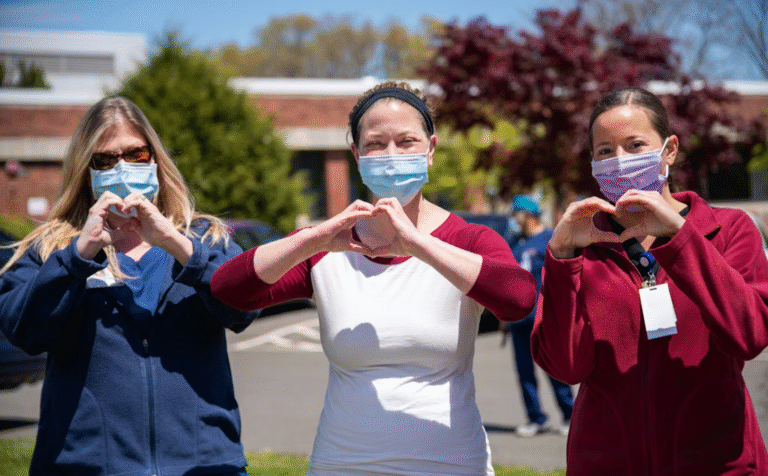
It’s interesting how, despite healthcare being one of the most sought-after lucrative fields, it’s not immune to staffing issues. People have this misconception that there’s always going to be enough doctors and nurses. Even if that were true, this is a perspective that fails to take a broader view of the situation.
Allied healthcare is a massive part of the healthcare industry, and it can be surprisingly hard to fill positions. According to the U.S. Health Resources & Services Administration, America is looking at a shortage of 60,610 physical therapists by 2038. Likewise, pharmacist roles will also see a deficit of over 30,400.
Today, let’s look at why staffing allied healthcare roles needs a lot more attention if we don’t want a crisis situation soon.
Allied Healthcare Is Way More Than a “Support System”
It’s a fact that the allied health professionals contribute greatly to keeping the entire healthcare system operational. Even though they don’t get the same attention as doctors and nurses, allied healthcare workers are everywhere.
Did you know that according to the Florida Hospital Association, allied health professionals made up 60% of the health care workforce? They also note that some fields, like speech pathology, still have relatively high vacancy rates of 12%.
As such, HR managers at hospitals need to start becoming a lot more flexible when it comes to filling these roles. Sometimes, it might mean sponsoring an existing worker for an online master’s degree in speech pathology so they can fill a critical vacancy. The online nature means their work isn’t disrupted, and the hospital still benefits.
Traditionalists might not like it, but the benefits are undeniable. As Ithaca College notes, candidates for such courses get their degrees in as few as three years. It may sound absurd, but sometimes, searching for reliable and qualified workers who stick around can take longer than that. This brings us to our next point.
Allied Healthcare is Growing Fast but Hiring Slowly
This is another fundamental reason why hiring is so hard for allied health roles. On one hand, you have reports that indicate that the industry is growing and progressing normally.
For instance, the latest data by The Business Research Company notes that the allied healthcare staffing market was worth over $28.17 billion last year. It currently enjoys a CAGR of 10.1%, which sets it up for a $45.61 billion valuation by 2030.
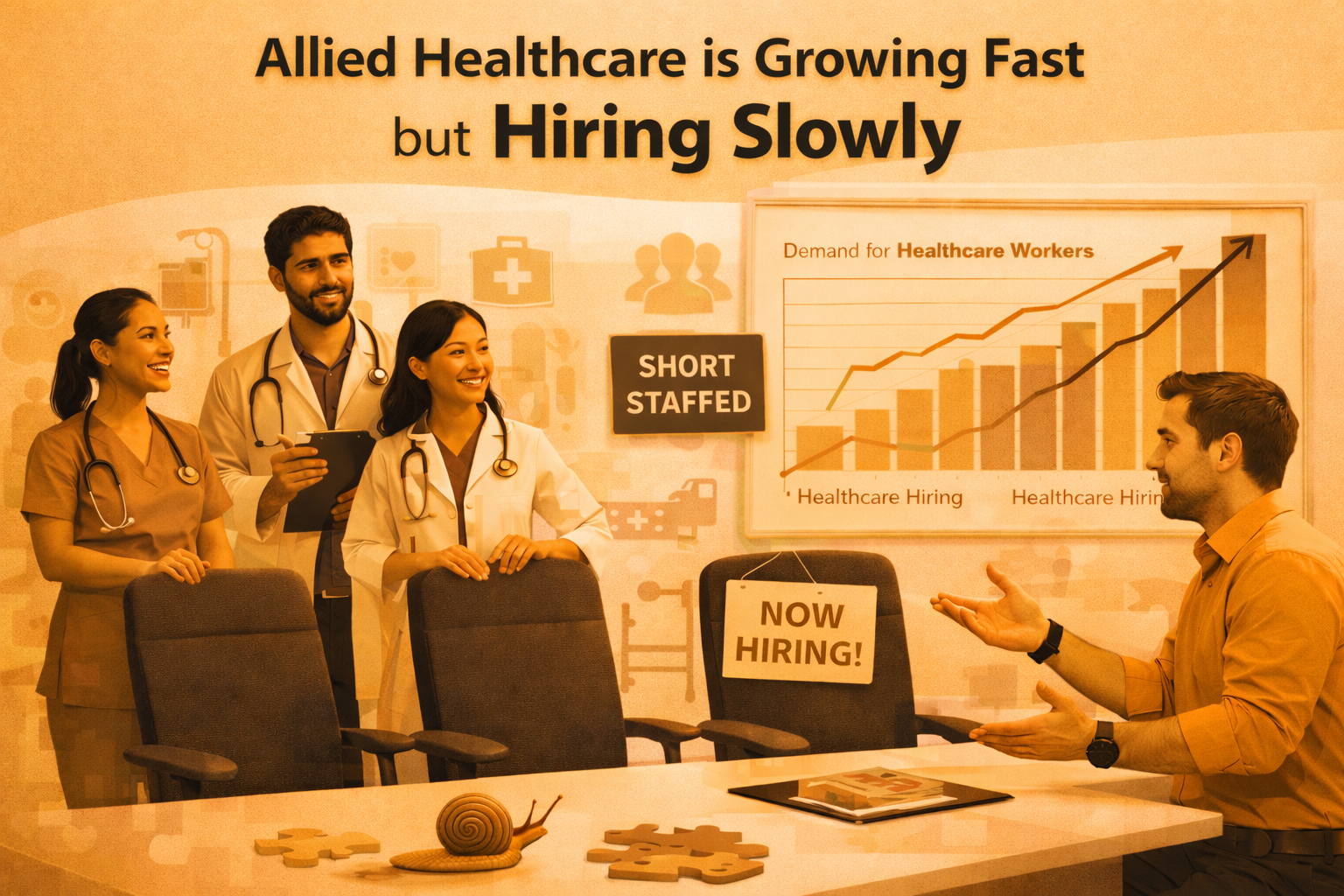
While this is true, it doesn’t really reflect the ground reality, where hospitals tend to have access to the same local talent pools. It doesn’t factor in the screening criteria, which tends to be quite narrow, and slow recruitment cycle issues.
What’s more, even though the industry is growing economically, the actual workers on the ground don’t see proportional pay. This makes for yet another factor behind why HR departments in hospitals find staffing these roles hard at times.
What Steps Can HR Departments Actually Take?
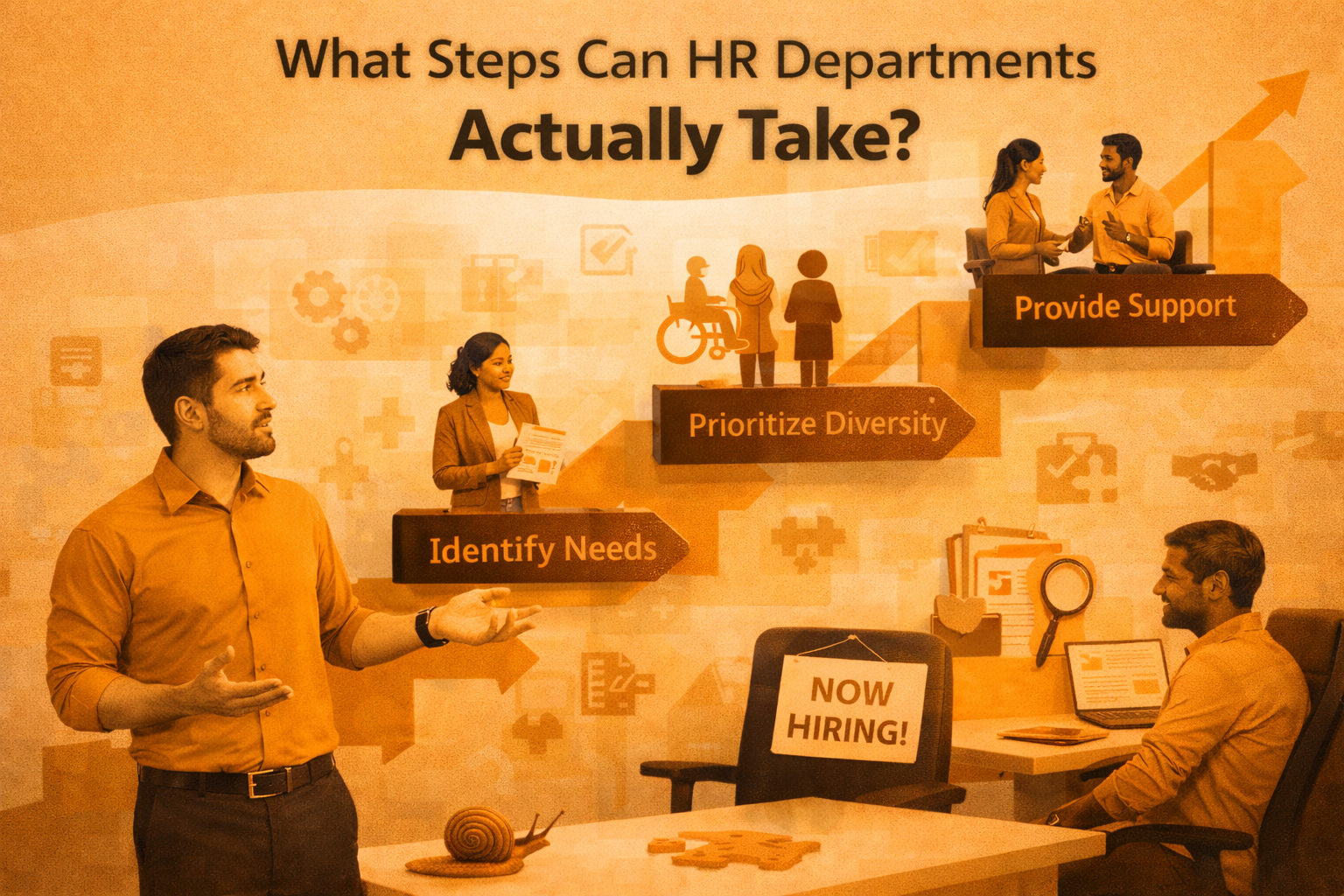
Perhaps the biggest difference that HR in healthcare can make is to focus on retention. It is far more efficient to keep good allied health care workers than to hire new ones. Yet, this is an oversight that keeps getting made over and over.
It’s an unfortunate reality that workers in these roles often get taken for granted, whether it be via low pay or workload creep. This is where the worker is slowly expected to take on more and more responsibilities outside their official responsibilities.
So, a physical therapist may also be expected to conduct workshops or mentor students. The reason it’s tricky is that some of these responsibilities feel like part of the job. For instance, they may be asked to design a rehab program for seniors because the hospital is seeing an ‘unexpected’ rise in senior admissions.
However, this can soon go from a one-time request to something that starts happening more and more often. Before they know it, they’re wearing multiple hats sans appropriate pay in a work environment known for high stress.
It’s no wonder that burnout is incredibly common. As such, attention really needs to go toward retention, careful analysis of skills and roles, and keeping existing allied workers engaged and productive.
All things considered, the biggest reason that talent shortages exist in allied healthcare is that it’s not treated as a central issue. On one hand, that’s understandable given how many serious challenges the industry has to face. However, on the other hand, staffing shortages like these left unchecked can lead to a dangerous crisis down the line.
It’s still not too late, and HR departments around the country should be brainstorming ways to keep and hire them at sustainable levels. While we covered training up existing workers and retention, there are many other untapped strategies. Hopefully, the healthcare system can take action before burnout and fatigue cause career switches at unprecedented rates.
Author Bio: Paul Lazarus is a freelance content writer and violinist by profession. He holds a master’s degree in psychology and writes content for a wide range of industries, including real estate, legal, healthcare, crypto, and more.