
Real-time feedback in hiring ensures teams share and access candidate evaluations instantly, speeding up decisions, reducing bias, and improving the candidate experience. Modern Applicant Tracking Systems (ATS) play a key role by centralizing data, automating updates, and streamlining evaluation processes. Here’s how ATS tools make this possible:
- Centralized Candidate Profiles: Store resumes, interview notes, and feedback in one place, ensuring easy access and reducing miscommunication.
- Automated Notifications: Keep teams informed with instant updates on candidate progress and submitted feedback.
- Integrated Scheduling and Feedback: Sync calendars for interviews and prompt evaluators to provide feedback immediately after meetings.
- Custom Scoring and Tagging: Use tailored rubrics and tags to simplify candidate comparisons and flag top performers.
Platforms like Skillfuel enhance these processes with tools like real-time dashboards, automated communications, and customizable workflows, helping teams make faster, informed decisions while maintaining transparency and fairness.
Key ATS Features That Enable Real-Time Feedback
Modern ATS platforms are loaded with tools that make real-time feedback a smooth and efficient process. These features turn hiring into a coordinated team effort, keeping everyone informed and engaged at every stage of the candidate journey. Together, they simplify collaboration and ensure no detail slips through the cracks.
Centralized Candidate Profiles
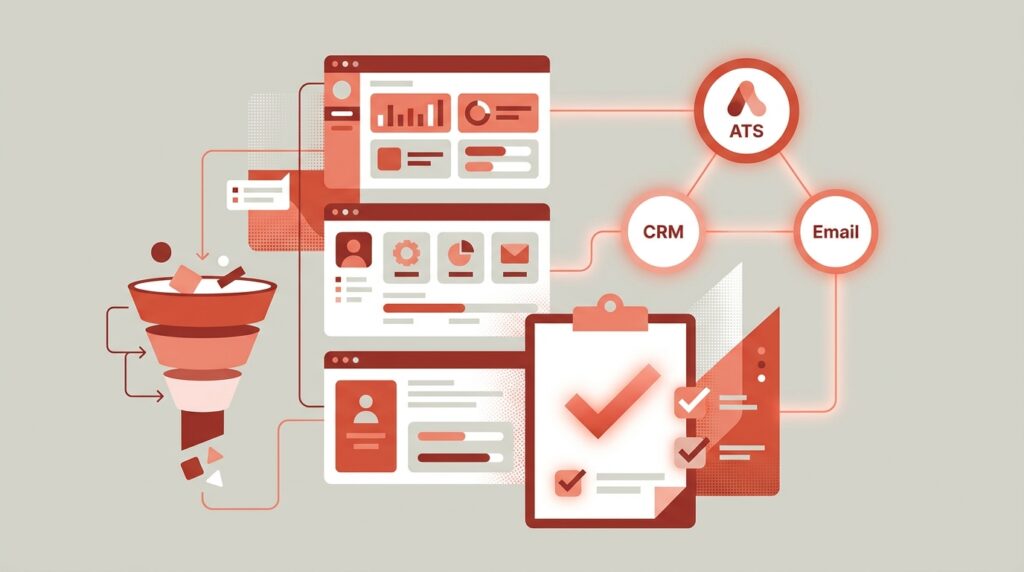
At the heart of real-time feedback is having all candidate information in one place. Centralized profiles serve as a one-stop hub, storing everything from resumes and cover letters to interview notes, assessment results, and team feedback.
After an interview, feedback is entered directly into the candidate’s profile, complete with reviewer names and timestamps. This eliminates the need for endless follow-up emails and manual tracking. The addition of version control and timestamps creates a detailed timeline of the candidate’s progress, showing how evaluations evolved and which team members contributed to the decision.
Interviewers can also add notes during interviews in real time. Instead of trying to recall key details hours later, they can jot down observations on the spot, ensuring important insights aren’t lost.
Automated Notifications and Status Updates
Building on centralized profiles, automated notifications ensure that the right people are updated at the right time. Think of it as a real-time communication network that keeps everyone in the loop.
For example, when a candidate finishes an assessment, the system notifies the hiring manager immediately. When feedback is submitted, recruiters and other stakeholders are alerted so they can act quickly. These notifications eliminate the need for manual reminders and ensure a steady flow of information.
What makes this feature even more effective is its customization options. Recruiters might opt for instant updates on all activities, while executives might prefer alerts only for critical milestones, such as final-round interviews or urgent hiring needs.
Status updates complement notifications by providing a clear view of where candidates stand. If a candidate moves from "Interview Scheduled" to "Final Round Complete", the entire team sees this change in real time. This transparency prevents miscommunication, like accidentally scheduling duplicate interviews.
Interview Scheduling and Feedback Collection
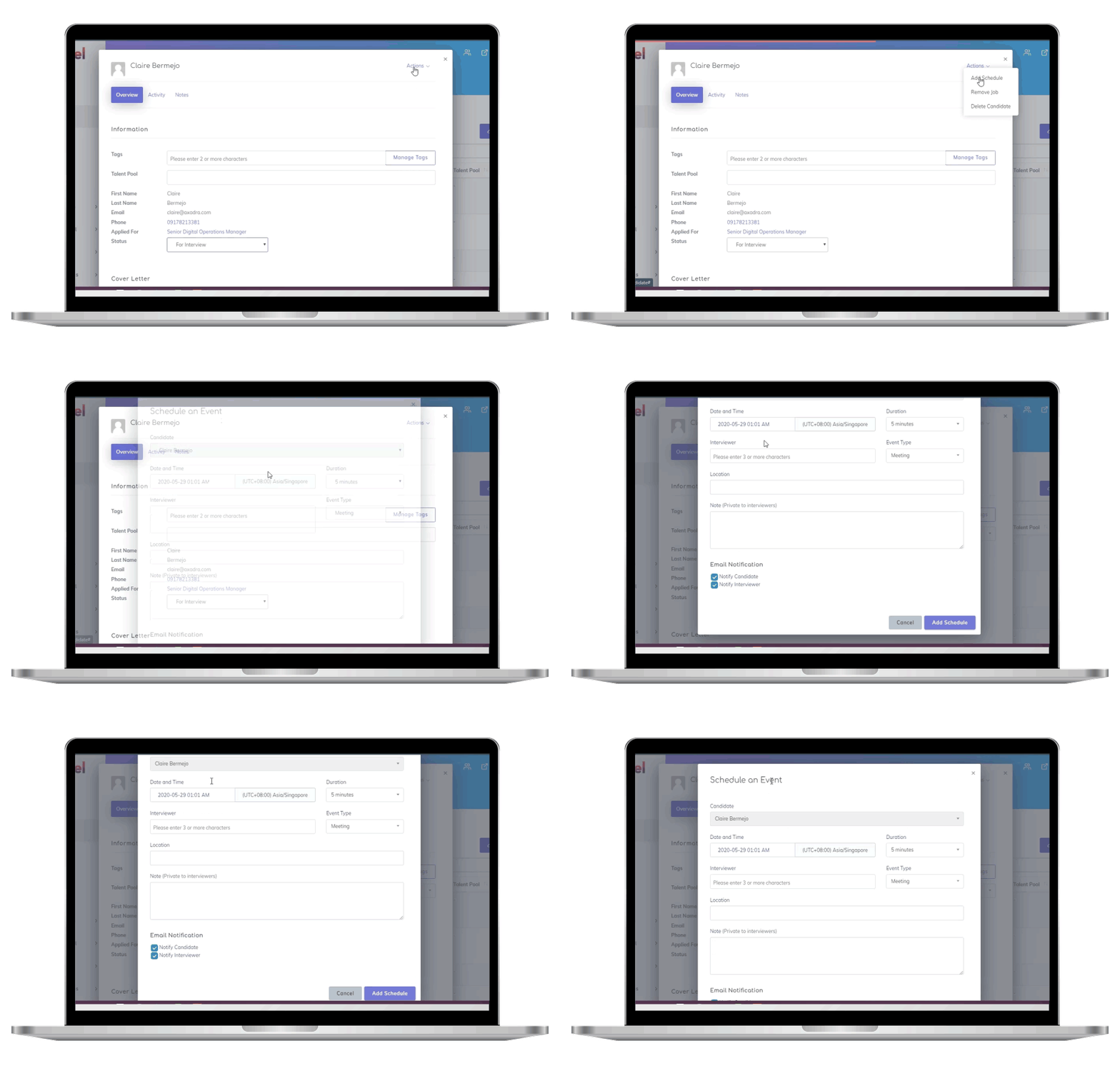
Modern ATS platforms integrate scheduling and feedback into one seamless process, syncing effortlessly with calendar systems. This ensures that interviews are scheduled efficiently, and feedback is collected without delay.
The system prompts interviewers to submit their evaluations right after the interview, while details are still fresh in their minds. Customizable feedback forms ensure that evaluations align with your company’s criteria, creating a consistent review process across all interviews.
For panel interviews, some platforms allow simultaneous feedback collection. Multiple interviewers can contribute their observations to the same profile at the same time, giving the team a comprehensive view of the candidate’s performance without waiting for individual input.
Candidate Scoring and Tagging Systems
Standardized scoring and tagging bring clarity and consistency to candidate evaluations. Custom scoring rubrics and visual tags make it easy to highlight top candidates and spot concerns early.
Many ATS platforms let you create scoring systems tailored to each role. For instance, a software developer might be scored on technical skills, problem-solving, and team fit, while a sales role might focus on communication, tool expertise, and hitting targets.
Tags provide quick, at-a-glance insights. Labels like "Strong Technical Skills" or "Needs More Experience" help teams quickly grasp a candidate’s strengths and weaknesses without combing through lengthy feedback.
The combination of scores and tags also powers advanced filtering. Teams can instantly identify high performers or spot patterns in feedback across interviews. Because scores and tags update in real time, everyone sees the latest evaluations immediately, helping teams act faster and flag potential issues early.
Step-by-Step Guide: Using ATS for Real-Time Feedback
Transform your hiring process into a seamless, collaborative experience by configuring your ATS with workflows and tools designed for real-time feedback. Building on the features mentioned earlier, here’s how you can set up your ATS to streamline feedback, standardize evaluations, and give your team the visibility they need to make informed decisions quickly.
Setting Up Team Workflows and Permissions
Start by mapping out your hiring process and assigning role-based access to team members. Not everyone on your team will need the same level of access, so your ATS should reflect these distinctions clearly.
- Recruiters: They’ll need full access to candidate profiles, scheduling tools, and communication features to manage the process efficiently.
- Hiring Managers: They require visibility into candidate progress, team feedback, and the ability to make final decisions.
- Interviewers: These contributors only need access to submit feedback, without requiring administrative tools.
To keep leadership informed without overwhelming them, provide summary dashboards with key metrics and alerts. This way, they can stay updated on hiring progress without sifting through excessive details.
Leverage automated workflow triggers to ensure candidates move smoothly through each step. For example, when feedback is submitted, relevant team members should be notified immediately. For roles that demand faster decision-making, set up expedited workflows that bypass certain approval steps or send instant notifications to decision-makers. This flexibility ensures your ATS adapts to varying hiring priorities.
Creating Feedback Forms and Evaluation Criteria
Standardized feedback forms play a key role in maintaining consistency across interviews while capturing the specific information your team needs to make sound hiring decisions. Instead of relying on generic templates, design forms that align with your company’s values and the requirements of each role.
Begin with core competencies that apply across most roles, such as communication skills, problem-solving ability, and alignment with company values. Then, layer in role-specific criteria tailored to the technical skills, experience, and knowledge required for the position.
To make the forms effective, include a mix of rating scales and open-ended questions. Rating scales allow for quick, comparable data, while open-ended sections capture detailed insights that numbers alone can’t provide. For technical roles, you might want to include sections on coding skills, system design, or domain expertise.
Ensure critical evaluation areas are addressed by adding mandatory fields. For instance, if cultural alignment is a priority, make that section required. Similarly, for technical roles, ensure interviewers cannot skip over key skill assessments.
Before rolling out the forms, test them with interviewers using mock sessions. Refine the forms for clarity and brevity to ensure they’re easy to use. Also, customize them for each stage of the interview process. For example, a phone screen form might focus on basic qualifications and enthusiasm, while final-round forms could dive deeper into leadership potential or project-specific discussions.
Using Dashboards for Real-Time Team Visibility
Dashboards are a game-changer for turning raw feedback into actionable insights, keeping your team aligned and moving efficiently. Configure different dashboard views to cater to various roles within your organization.
- Recruiter Dashboards: These should highlight candidate pipeline health, interview scheduling progress, and feedback completion rates. Include metrics like the average time between interview stages, pending feedback submissions, and upcoming interview schedules. Add alerts for candidates who’ve been waiting too long for updates or interviews that need immediate scheduling.
- Hiring Manager Dashboards: Focus these dashboards on decision-making tools. Include side-by-side candidate comparisons, scoring breakdowns, and feedback trends. Highlight candidates ready for final decisions and flag those with mixed feedback for further discussion.
Dashboards should also include instant alert systems to notify team members of important updates. Allow filtering by stage, score, or skill, and enable sorting by date or urgency to help prioritize tasks quickly.
For better collaboration, integrate tools that let team members add notes, tag colleagues, or flag candidates directly within the dashboard. This keeps communication centralized and accessible to everyone involved.
Finally, create summary views that aggregate feedback trends across multiple candidates. For example, if several candidates are struggling with the same technical assessment, this pattern should be visible so the team can adjust expectations or processes. These insights ensure smoother decision-making and reinforce the value of real-time feedback.
Benefits of Real-Time Feedback for U.S. Hiring Teams
Real-time feedback, powered by a strong applicant tracking system (ATS), can transform hiring processes for U.S. teams. It reduces delays, boosts collaboration, and ensures compliance with hiring standards. By enabling instant communication and immediate insights, an ATS supports a more dynamic and efficient approach to recruitment.
Faster Decisions and Improved Hiring Speed
Real-time feedback helps hiring teams make faster decisions by capturing impressions immediately after interactions. This quick turnaround is especially valuable in competitive markets where top candidates often juggle multiple offers.
Capturing impressions right away ensures that decision-makers have accurate and detailed information while the interaction is still fresh. This not only improves the quality of decisions but also sets the stage for smoother teamwork. The ability to act quickly can make all the difference in securing top talent.
Enhanced Collaboration and Transparency
Real-time input fosters open communication among team members, creating a shared understanding of each candidate’s strengths and areas for improvement. Instead of limiting discussions to occasional review meetings, teams can engage in ongoing conversations about candidate fit and hiring goals.
These systems also help address potential misalignments early. For example, if one interviewer consistently rates candidates differently than others, the discrepancy is flagged immediately. This allows the team to recalibrate expectations and align on evaluation standards quickly. Proactive feedback like this encourages collaboration and ensures that concerns are addressed before they escalate.
Improved Candidate Experience and Compliance
Real-time feedback benefits candidates by ensuring clear and timely communication. When an ATS sends automatic updates based on team input, candidates are kept informed about their status. This transparency enhances their experience, making the process feel more organized and respectful.
On the compliance side, real-time feedback creates detailed records of hiring decisions. Capturing and storing feedback immediately ensures decisions are based on consistent, job-related criteria. This reduces the risk of unconscious bias and provides a clear audit trail to demonstrate fair practices.
Additionally, tracking feedback in real time can reveal patterns that might indicate bias. For instance, if certain demographic groups consistently receive lower scores at specific stages, the system flags these trends early. This allows teams to investigate and address potential issues before they impact more candidates.
sbb-itb-e5b9d13
How Skillfuel‘s ATS Enables Real-Time Feedback
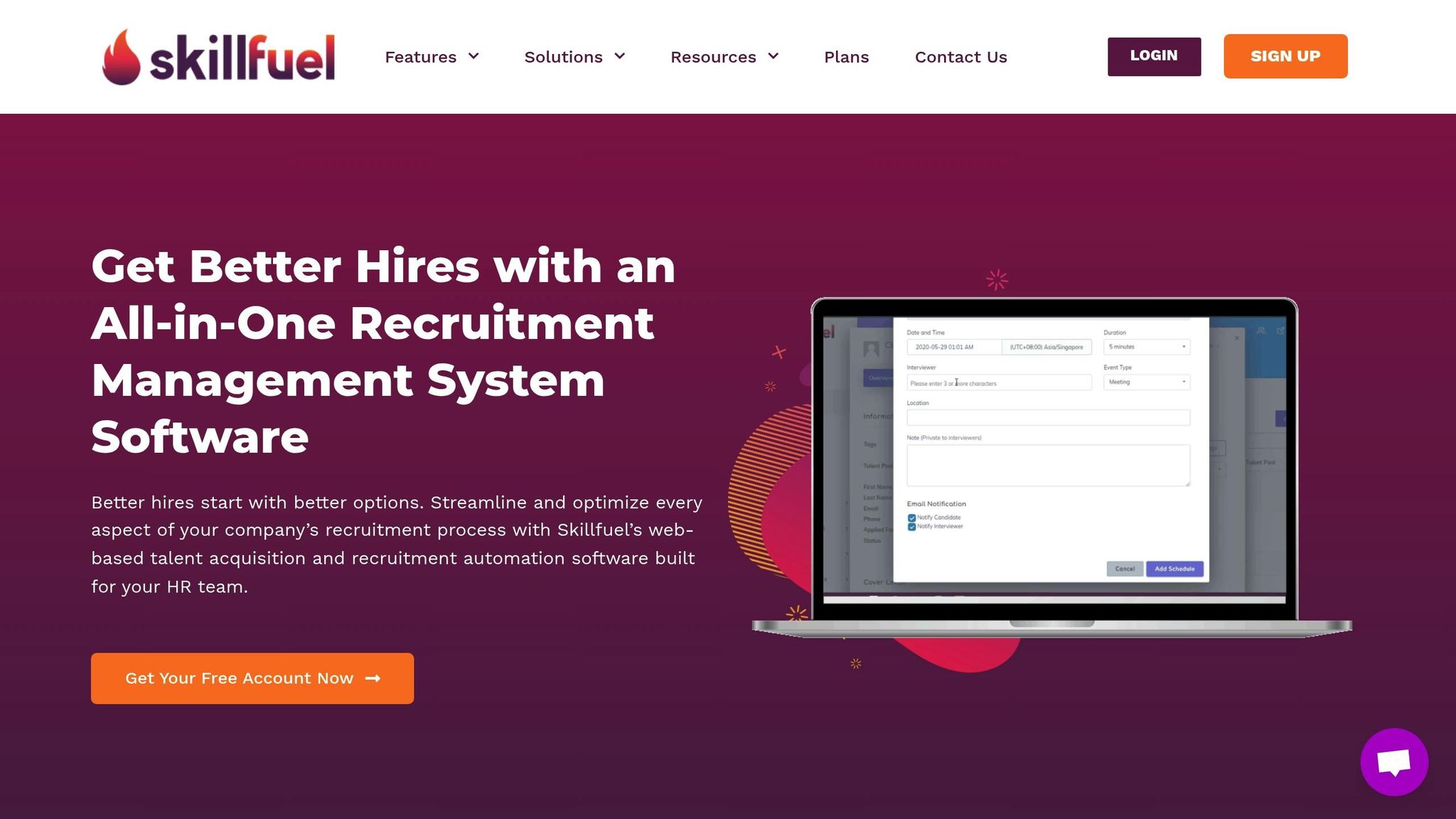
Skillfuel’s recruitment management platform is built to facilitate instant feedback and streamline collaborative hiring. Its flexible workflows are designed to speed up decision-making and enhance the overall hiring process.
Centralized Dashboards for Feedback and Tracking
Skillfuel’s dashboard serves as the nerve center for all recruitment activities. It offers hiring teams a clear, organized view of candidate progress while simplifying feedback collection. By consolidating every step of the hiring process into a single interface, the platform ensures teams stay on top of their workflow.
"With Skillfuel, you can view all the important aspects of your recruitment process on our comprehensive dashboard. From screening applicants to tracking progress, get everything done in one convenient place."
The platform’s drag-and-drop functionality allows for instant status updates as feedback is submitted, keeping everyone in the loop automatically. Built-in analytics reveal trends in feedback over time, helping hiring teams refine their evaluation methods. Additionally, the system includes employee referral tracking, providing updates on the progress of referred candidates and encouraging team involvement throughout the process.
Automated Candidate Communication and Scheduling
Skillfuel’s automation tools take care of administrative tasks and ensure timely communication with candidates. Teams can set up personalized messages that are triggered by specific feedback outcomes. For instance, when a candidate is marked as "moved to next round", the system automatically sends the appropriate follow-up.
"Our HR recruitment software lets you take the guesswork out of interviewing potential hires. You can schedule your recruitment team with questions and prep notes, and easily capture feedback."
The interview scheduler integrates seamlessly with popular calendar tools like Gmail and Outlook, making it easy to coordinate interviews across multiple team members. It supports real-time calendar syncing, multi-session interviews, and panel discussions, all while handling invites, confirmations, and reminders automatically. Once feedback indicates a candidate should proceed, the system can immediately schedule the next interview, keeping the process smooth and efficient.
Customizable Workflows
Skillfuel goes beyond basic features by offering customizable workflows that allow hiring teams to tailor feedback processes to their unique needs. Teams can create custom evaluation criteria and feedback forms to ensure they’re capturing the most relevant information. The platform’s user-friendly interface makes these customizations straightforward.
To maintain transparency and security, Skillfuel includes data protection measures and audit trail features, ensuring detailed records of feedback and hiring decisions are securely stored. Granular permission settings restrict sensitive feedback to authorized users only.
Conclusion: Transforming Hiring Through Real-Time Feedback
Real-time feedback has become a cornerstone of modern hiring practices. As companies move toward more collaborative recruitment strategies, they need tools that support fast, informed decision-making while maintaining thorough and fair candidate assessments.
Key Takeaways
The shift in hiring practices focuses on three pillars: speed, teamwork, and transparency. Outdated methods – like delayed responses, fragmented communication, and scattered documentation – are giving way to centralized systems that streamline the process. By consolidating feedback and candidate information into a single platform, an ATS simplifies decision-making and removes the inefficiencies caused by endless email threads and misplaced files.
Integrating real-time feedback directly into the hiring workflow not only encourages team collaboration but also enhances the overall experience for candidates.
Next Steps for Implementing Real-Time Feedback
To make real-time feedback a seamless part of your hiring process, start by analyzing your current system to pinpoint delays in scheduling, evaluations, or decision-making. Use these insights to design workflows that include immediate feedback loops, ensuring smoother communication and faster decisions.
Skillfuel’s ATS platform is designed to make this transition easier. With features like in-system feedback sharing, customizable workflows, and intuitive dashboards, it helps teams identify bottlenecks and improve their hiring process. Begin by piloting real-time feedback in one department. This allows you to refine workflows, train your team, and measure the impact on both hiring speed and candidate satisfaction before rolling it out across the organization. Skillfuel’s tools provide the clarity and flexibility needed to make hiring faster and more efficient.
FAQs
How does real-time feedback in hiring help reduce bias and improve the candidate experience?
Real-time feedback during the hiring process plays a crucial role in reducing bias. By providing immediate and objective insights into a candidate’s performance, it helps interviewers make fairer and more consistent evaluations. This approach minimizes the impact of unconscious bias, leading to more equitable hiring decisions.
Beyond fairness, it also improves the overall candidate experience. Prompt feedback shows candidates that their time and effort are appreciated. It fosters transparent communication, builds trust, and leaves them with a positive impression of the hiring process.
How does an ATS simplify interview scheduling and feedback collection?
An applicant tracking system (ATS) makes interview scheduling a breeze with integrated tools that align team availability and send out automated reminders. This way, interviews are scheduled smoothly, avoiding any conflicts or miscommunication.
When it comes to feedback, many ATS platforms offer standardized templates that let interviewers share their evaluations quickly and consistently. This feature helps hiring teams collect input instantly, ensuring the process stays structured and team-oriented.
How can Skillfuel’s workflows be customized to fit the specific needs of your hiring team?
Skillfuel’s workflows are built to fit the specific needs of any hiring team. Thanks to an easy-to-use, centralized dashboard, you can set up, modify, and oversee recruitment steps without requiring any technical know-how. This means your hiring process can be tailored to match your team’s objectives and preferences seamlessly.
With its straightforward interface and adaptable features, Skillfuel gives teams the tools to simplify recruitment while staying fully in charge of their processes. Whether you’re tackling large-scale hiring or focusing on specialized roles, these flexible workflows help keep everything organized and running smoothly.