
HR leaders across India’s manufacturing and service sectors say employer branding is no longer defined by recruitment campaigns or workplace perks but by the everyday experiences of all workers, including contract and gig employees, according to interviews published July 8 in ETHRWorld. The shift comes as India’s gig workforce is projected to nearly triple from 7.7 million in 2020-21 to 23.5 million by 2029-30, with contract workers already accounting for 42 percent of employment across manufacturing, logistics, and services, NITI Aayog data shows.
TL;DR: HR executives report employer branding credibility now depends on whether contract and gig workers experience the same dignity, safety, and respect standards as permanent employees, marking a fundamental shift from recruitment-focused brand strategy to experience-based brand reality.
Brand Reality Versus Recruitment Messaging
Niyathi Naidu Madasu, CHRO at Premier Energies, told ETHRWorld that employer branding has evolved beyond traditional HR recruitment-marketing functions. “Companies lose their employer brand not because they use contingent labour, but because the lived experience contradicts the stated values,” Madasu said.
At Premier Energies, a sizeable portion of the workforce is employed through contractors and vendors, meaning many workers interacting with the organization daily are not on the direct payroll. Rather than standardizing every employment benefit across workforce categories, Madasu said organizations should ensure every worker experiences the same standards of dignity, safety, and respect.
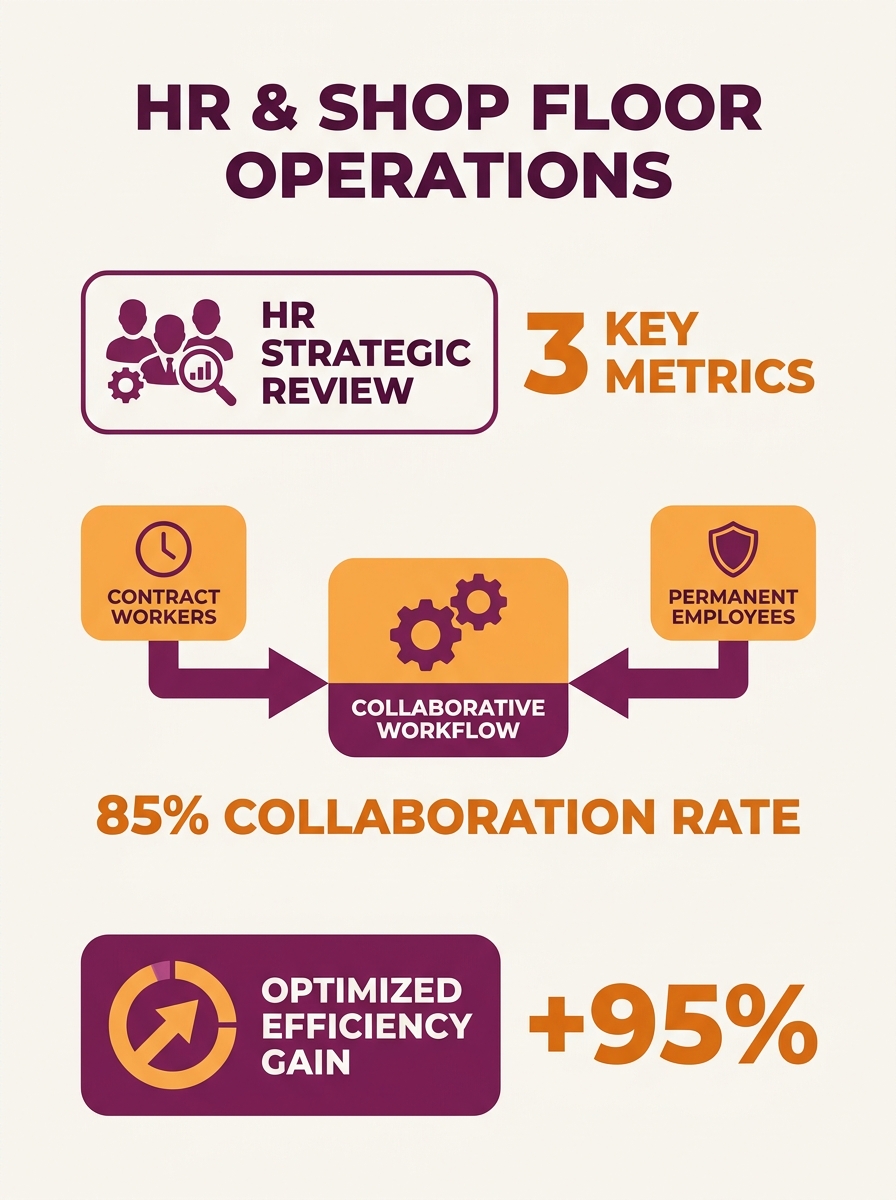
The disconnect between recruitment marketing messaging and actual worker experience has emerged as the primary credibility gap, according to the executives interviewed. Organizations that publicly advocate specific values but fail to deliver those values to contingent workers risk undermining their brand among both external candidates and existing employees.
Transparent Mobility Pathways Strengthen Brand Credibility
Employer brands remain credible when organizations create visible pathways for high-performing contract workers to transition into permanent roles through transparent, merit-based processes, Madasu said. The CHRO emphasized that career mobility strengthens trust more than benefit parity alone.
Rajat Seth, Senior Vice President-HR at Elan Group, said contract and casual workers often remain on the periphery of organizational life because of the nature of their assignments. “Casual and contract workers are often associated with specific projects or shorter assignments, which can naturally limit their interaction with the wider organisation,” Seth told ETHRWorld.
HR teams must intentionally bridge that gap through structured onboarding, recognition programs, fair workplace practices, and opportunities for collaboration with permanent employees, Seth said. In sectors such as real estate, contract professionals play vital roles across construction, facilities management, and specialized project functions while the core workforce drives long-term business strategy.
Third-Party Vendor Practices Now Part of Brand Calculus
The expanding ecosystem of external talent is reshaping how organizations define employer branding itself, according to Kamaljeet Kaur, Chief Human Resources Officer at RR Kabel. Employer branding today extends beyond direct employees to encompass contractors, vendors, and partner organizations that collectively shape the employee experience.
“The choice of third-party vendors, how they are overseen and the practices they follow become just as important to the employer brand as internal policies,” Kaur said. Organizations deploying alternate workforce models must ensure vendor compliance with the same workplace standards applied to direct employees.
Kaur argued that maintaining a strong employer brand does not require identical benefits across workforce categories but does require consistent treatment aligned with core organizational values. When contract workers receive fair treatment, transparent communication, and respectful management, the organization’s brand gains credibility both internally and in the external talent market.
Seth noted that organizations successfully integrating both permanent and contract workforce segments are gradually building more inclusive cultures where every contributor feels respected and aligned with common organizational values. This integration requires deliberate effort rather than passive inclusion of contract workers in existing permanent-employee programs.
The 23.5 Million Worker Brand Challenge
India’s structural workforce shift presents an urgent employer branding challenge for organizations relying on contract and gig labor. With the gig workforce expected to grow from 7.7 million to 23.5 million by 2029-30 and contract workers already representing 42 percent of employment in key sectors, the volume of workers experiencing organizational values through non-traditional employment relationships will continue to rise.
The executives interviewed said HR teams must treat every worker touchpoint as a brand touchpoint, regardless of employment classification. Traditional content marketing for recruiting focused on full-time employee value propositions no longer suffices when nearly half the workforce experiences the organization through vendor contracts and project-based engagements.
Organizations that fail to extend dignity, safety, and respect standards to contingent workers risk negative brand signals that spread through both direct observation (permanent employees seeing how contract workers are treated) and external reputation channels (contract workers sharing their experiences in talent markets).
Reading Between the Lines
The HR leaders’ emphasis on shop-floor experience over recruitment messaging represents a pragmatic recalibration for talent acquisition teams building employer brands in markets with structural workforce shifts. The message is direct: your EVP credibility depends less on what you promise candidates and more on whether your current contract workers would recommend you to others.
For TA leads, this means employer brand audits should now include contract worker experience surveys, vendor compliance reviews, and transparent documentation of mobility pathways from contingent to permanent status. The brand isn’t what you publish on career sites—it’s what happens when a contract worker asks for safety equipment or requests training access.
The 23.5 million projection matters because it signals scale: by 2029-30, one in four Indian workers participating in the gig economy will have firsthand experience with your organization or a competitor’s. Those experiences will shape employer brand perception more powerfully than any recruitment campaign you run.