
Major employers are abandoning credential-based resume screening in favor of AI-verified skill assessments, with the transition happening years ahead of earlier projections, according to a report from CXO Today published June 18. Pat Cooper, co-founder of ThirdBracket, said companies are no longer waiting until 2030 to shift from degrees and job titles to demonstrated capability as the primary filter in hiring.
TL;DR: AI-driven skill assessment tools are replacing traditional resume screening faster than expected, forcing BPO providers and offshore staffing firms to rethink credential-based talent pipelines.
Degrees and Job Titles Lose Primary Screening Function
The traditional resume format is losing its role as the gatekeeper in candidate evaluation, Cooper told CXO Today. AI-driven assessment platforms now allow companies to verify capability, transferable skills, and learning agility in ways that credential-based hiring never permitted, he said.
“In many ways, skills are becoming the new organizational currency,” Cooper said.
The pace of adoption is accelerating as AI makes competency testing faster and more scalable than traditional screening methods, Cooper added. By 2030, hiring will center on capability and learning potential rather than prior experience, he said.
Cooper’s forecast aligns with a broader shift already documented in ATS vendor roadmaps. Applicant tracking systems have historically filtered out millions of qualified workers before human review based on keyword matching against credentials, but next-generation platforms are beginning to integrate skill-verification APIs that bypass resume parsing entirely.
AI Enables Capability-Based Matching Beyond Resume Keywords
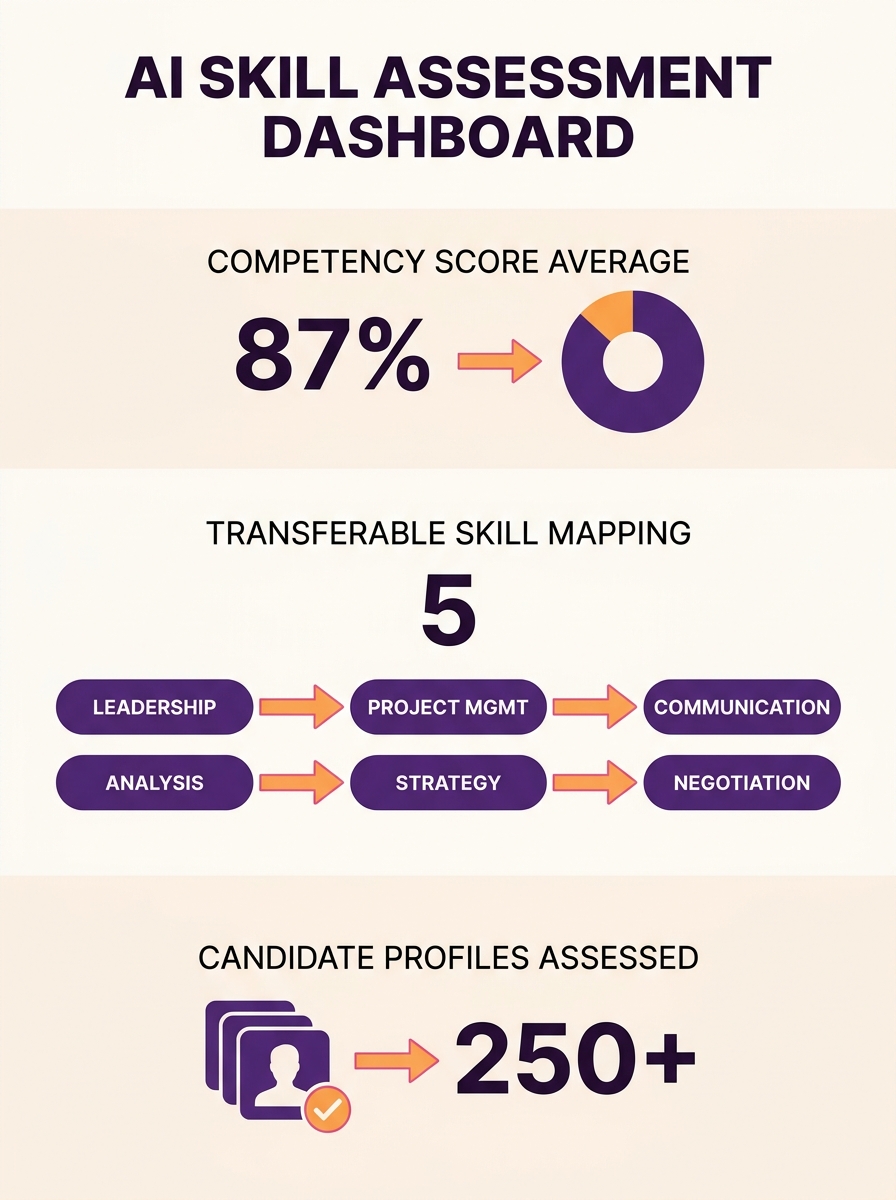
AI-driven skill matching is shifting recruitment from keyword-based hiring to capability-based hiring, Cooper said. The technology can now identify transferable skills and adjacent capabilities, enabling companies to discover stronger and more diverse talent pools without relying on resume credentials as the primary signal.
“This shift is a major opportunity for India’s talent ecosystem,” Cooper said.
A skills-first approach opens pathways for talent from Tier 2 and Tier 3 institutions by focusing on demonstrated capability rather than institutional pedigree, Cooper argued. However, he warned that continuous upskilling and adaptability will become critical as skill intelligence replaces resume screening.
“Those who stop learning risk being left behind,” Cooper added.
Organizations are already restructuring around capabilities rather than job roles, shifting to what Cooper describes as more agile and skills-based workforce models in which employees move fluidly across projects based on verified skills rather than fixed job descriptions. The transition mirrors broader predictions that AI will cut recruiter administrative work by shifting talent professionals from screening tasks to strategic advisory roles.
Offshore Staffing Firms Face Credential Pipeline Rethink
For BPO providers and offshore staffing firms, the skills-based hiring shift has direct implications for how they source, screen, and present talent to clients, the report noted.
Offshore talent markets, particularly in the Philippines and India, where BPO employment depends heavily on credential-based hiring pipelines, will need to invest in skill verification platforms and competency-based matching to stay competitive, Cooper said. Providers that can deliver verified, skills-certified talent pools will be better positioned than those still supplying candidates on the basis of degrees and years of experience alone.
The transition exposes a structural tension in recruitment automation. Skills-based hiring has been positioned as a breakthrough in candidate evaluation, but implementation requires infrastructure many HR teams don’t yet control, standardized skill taxonomies, validated assessment libraries, and integration between ATS platforms and third-party verification tools.
The Takeaway
The skills-first hiring shift is no longer a 2030 forecast, it’s happening in 2026, driven by AI tools that make competency verification faster than resume parsing. For in-house recruiting teams, that timeline compression creates a technical gap: most applicant tracking systems still rank candidates by keyword match against job descriptions, not by verified skill assessments.
The competitive pressure will come from offshore staffing providers that adopt skill-certification platforms before corporate HR departments do. If BPO firms can deliver pre-verified, skills-certified candidate pools while internal teams are still screening resumes manually, the sourcing advantage shifts externally.
The infrastructure question is whether existing ATS vendors will integrate skill-verification APIs natively, or whether HR teams will need to bolt on third-party assessment tools and manage data sync manually. Either path requires budget, implementation lead time, and a shift in how recruiters define “qualified”, and companies waiting until 2030 to figure that out are already behind the curve.