
Seventy-six percent of U.S. small business leaders say they are confident about hiring prospects for 2026, yet nearly half report finding skilled candidates has become harder over the past year, according to a survey of more than 250 small businesses by Robert Half released May 22 during National Small Business Month. Only 12 percent of surveyed leaders say they currently have the talent required to complete high-priority projects.
TL;DR: Small businesses show strong hiring confidence for 2026, but 47% report increased difficulty finding skilled talent compared to one year ago, and 88% lack the workforce needed for priority projects.
The Hiring Confidence Gap
Robert Half’s survey of U.S. small business leaders at companies with fewer than 100 employees reveals a disconnect between hiring intentions and execution. Three-quarters of respondents expressed confidence in their 2026 hiring outlook, but the research shows optimism has not translated into successful talent acquisition. The talent solutions and business consulting firm conducted the survey during May 2026 as part of National Small Business Month research.
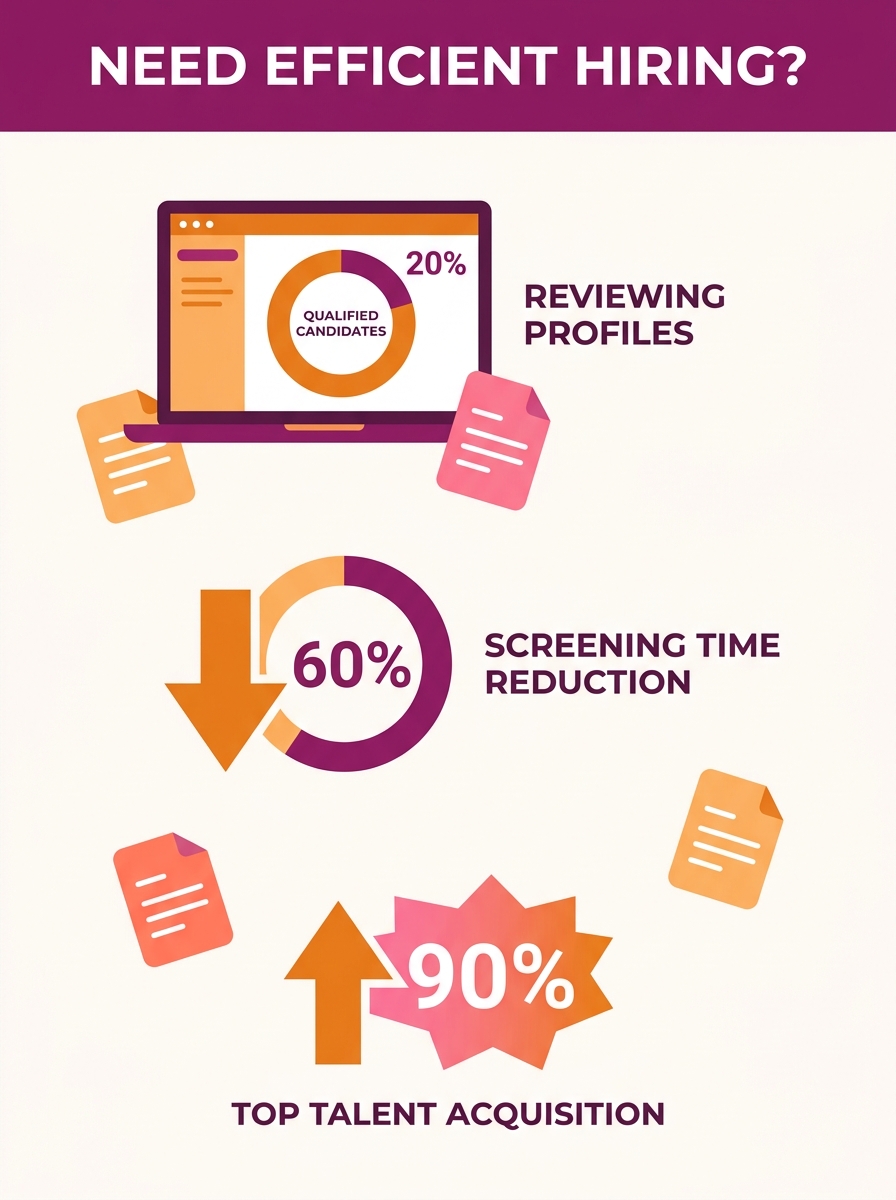
The confidence figure stands in contrast to operational reality: 47 percent of surveyed leaders reported finding skilled talent has grown more difficult compared to May 2025. Widening skills gaps and evolving technology requirements have complicated small-business recruitment, according to the Robert Half findings.
Project Capacity Shortfall
Eighty-eight percent of small business leaders surveyed said they lack the necessary talent to execute high-priority projects, the most striking data point in the Robert Half research. Only 12 percent reported having adequate skilled staff to meet current project demands.
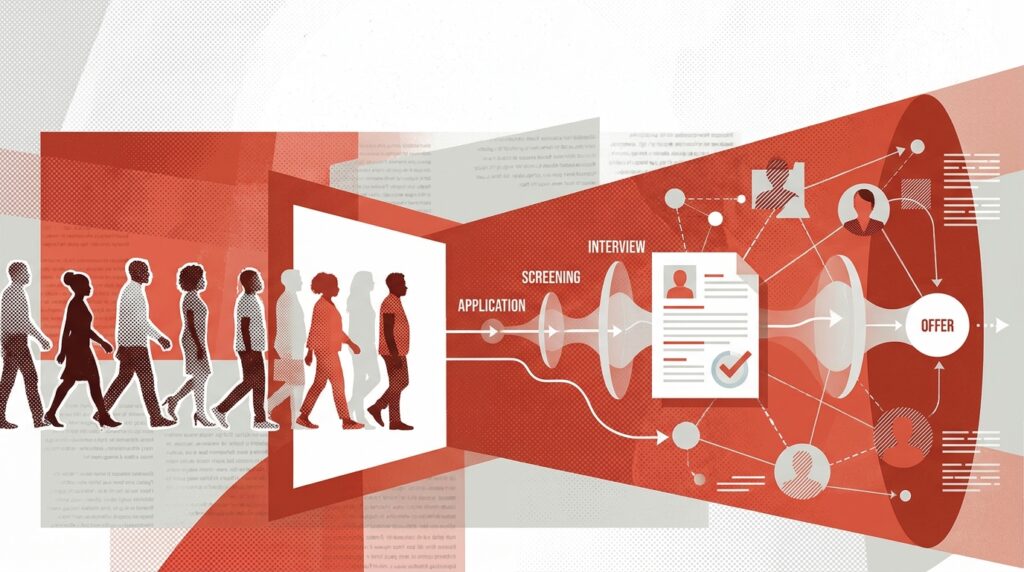
The capacity gap affects companies trying to scale operations or adopt new systems. Small businesses typically lack the dedicated recruitment software for small businesses infrastructure that larger organizations use to manage candidate pipelines, leaving them dependent on manual screening processes that struggle to surface qualified applicants quickly.
Skills Verification Challenge
The survey results arrive as recruiting teams face increased difficulty distinguishing genuinely qualified candidates from applicants who have inflated credentials or used generative AI to fabricate experience. Small businesses reported technology evolution as one factor making hiring more complex, though the Robert Half survey did not quantify how many organizations have implemented verification processes for skills claims.
Companies using applicant tracking systems can configure knockout questions and required fields to test baseline competencies, but those tools require careful setup to avoid auto-rejecting strong candidates over misconfigured requirements. The balance between filtering unqualified applicants and maintaining access to the narrow pool of skilled candidates has become more difficult as competition for talent intensifies.
Forty-seven percent of surveyed small business leaders said sourcing skilled workers has become harder year-over-year, suggesting passive candidate outreach and social media recruiting may need to supplement traditional job board postings. Businesses competing for the same limited talent pool face pressure to speed up candidate evaluation while maintaining quality standards.
Automation as a Scaling Tool
Small businesses lack the recruiter headcount to manually review hundreds of applications for each open role. The 88 percent capacity shortfall—companies unable to staff priority projects—indicates that hiring process bottlenecks may be delaying critical business initiatives.
Recruitment automation tools can help smaller teams surface qualified candidates faster by parsing resumes for required skills, sending scheduled follow-ups, and routing applications to hiring managers based on preset criteria. The technology does not solve skills-gap problems, but it can reduce time-to-review for the qualified applicants who do apply.
Robert Half’s research did not specify which industries face the steepest talent shortages among small businesses. Prior labor market data has shown technology roles, skilled trades, and healthcare positions commanding the highest competition levels, though shortages have broadened across sectors as of mid-2026.
Reading Between the Lines
The Robert Half data exposes a structural problem: small businesses want to hire and believe they will hire, but most cannot find or retain the talent needed to execute current work. Confidence without capacity creates a planning risk—companies may delay revenue-generating projects or miss market opportunities because they have budgeted for hires they cannot actually close.
For recruiting teams, the 47 percent year-over-year difficulty increase signals that existing sourcing strategies are losing effectiveness. Job boards alone will not fill the pipeline when skilled candidates have multiple offers. Passive sourcing, employee referral programs, and faster interview-to-offer cycles become competitive necessities, not optional upgrades.
The 12 percent figure—businesses that have adequate talent for priority projects—suggests most small companies are operating understaffed relative to their strategic goals. That creates urgency to improve hiring speed and quality simultaneously, a combination that typically requires better screening tools and more structured evaluation frameworks than manual resume review allows.