
Key Takeaways:
- Legal Risks: Missing deadlines can cost businesses $14M–$40M per incident, with fines up to $23,607 per worker.
- Time Savings: Manual tracking can take 10–15 hours/week for 200 permits. Automation reduces this workload significantly.
- Automation Benefits:
- Sends alerts 90, 60, and 30 days before permits expire.
- Boosts compliance rates from 76% to 88%.
- Cuts legal costs by 57% and operational disruptions by 42%.
- Centralized Systems: Cloud-based platforms securely store documents, automate alerts, and generate instant compliance reports.
By replacing spreadsheets with automated systems, HR teams can focus on more critical tasks while staying compliant and reducing risks.
Core Features of HR Tech for Permit Expiry Management
Modern HR technology simplifies the headache of permit tracking by introducing features that actively prevent expiration mishaps. By moving away from error-prone spreadsheets to centralized, automated systems, these tools address common inefficiencies and form the foundation of a reliable compliance strategy.
Centralized Digital Storage for Work Permits
Cloud-based HR platforms provide a single source of truth by securely storing all permits, visas, and certifications in one place. This eliminates the chaos of fragmented data during employee transitions. Instead of digging through folders or old emails, HR teams can quickly access any document they need, cutting down on wasted time and frustration.
"The number one benefit of Xemplo is the time it has saved us. This includes time spent managing onboarding, contracts, and visa checks."
- Luke Emery, Director at IPCQ
Additionally, these systems retain archived versions of expired permits, creating a complete audit trail that manual processes often fail to maintain.
Automated Alerts and Notifications
Automated reminders ensure no permit renewal deadlines are missed. These systems send multi-stage alerts – typically 90, 60, and 30 days before expiration – giving HR teams and employees ample time to act. Notifications are sent through various channels, including email, SMS, and even WhatsApp, so they don’t get lost in crowded inboxes.
If the initial alerts are ignored, the system escalates the issue to supervisors or compliance teams, solving the common “I thought someone else was handling it” problem.
"Reducing compliance risk with automated alerts isn’t just about convenience. It’s about building a reliable system that catches expirations before they become crises."
- Jessica Nardone, Content Specialist at Expiration Reminder
Real-Time Dashboards and Compliance Reporting
Visual dashboards give HR teams instant updates on the status of permits – whether they’re valid, nearing expiration, or already expired. Unlike spreadsheets that require constant manual updates, these systems automatically scan document dates and flag potential issues within seconds.
During audits, HR managers can generate one-click compliance reports, showing every notification sent and renewal completed. This automation eliminates the need for days of manual data gathering.
The results speak for themselves: compliance teams report a 50% boost in productivity, while organizations experience a 57% reduction in legal costs and a 42% decrease in operational disruptions.
How to Manage Permit Expiry with HR Tech: Step-by-Step
Using HR tech to automate permit expiry management can save time and reduce compliance risks. Transitioning from manual tracking to automation may seem daunting, but it boils down to three simple steps that streamline the process for HR teams.
Step 1: Upload and Organize Permits in a Central Repository
Start by gathering all work-related documents – visas, licenses, and work authorizations – and centralizing them in a secure digital repository. This means pulling files from emails, shared drives, and folders. Bulk upload tools can help transfer data from spreadsheets or outdated systems, cutting down hours of manual work.
Tailor the repository to track key details like visa types, license numbers, and country-specific rules. Sync it with your existing HRIS to update employee data automatically and archive records when someone leaves. Adding a self-service portal allows employees to upload their credentials directly, reducing HR’s workload.
Use AI tools to extract expiration dates and flag potential issues, such as expired passport stamps or wage discrepancies below legal standards. This step eliminates the hassle of manual tracking and creates a reliable, centralized system for permit management.
Step 2: Set Up Custom Alerts and Notifications
Create a notification system tailored to the complexity of each permit. For instance, visas or commercial insurance might need 90–120 days’ notice for renewal, while simpler certifications may only require 30 days. Instead of relying on a single reminder, schedule recurring alerts at intervals like 90, 60, 30, 15, and 7 days before the expiration date.
Send notifications through multiple channels – email, SMS, WhatsApp, or in-app dashboards – to ensure they reach the right people. Alerts should go to the document owner, their manager, and the HR team, promoting shared responsibility. Include escalation workflows so supervisors are notified if earlier reminders are ignored.
Step 3: Automate Renewal Workflows
Once alerts are in place, automate the renewal process itself. Set up workflows to handle each stage of the renewal. For example, when a reminder is triggered, the system can assign renewal tasks to team members and track their progress. Employees can securely upload updated documents via private links, eliminating the need for HR to follow up.
Add automatic escalation steps to ensure overdue tasks are flagged to supervisors or compliance officers. Automated systems can improve on-time submissions by up to 95% and speed up bulk renewals by as much as 70% for HR teams managing large volumes of permits. Daily scans of records help identify upcoming expirations and compare them against your thresholds, catching issues that manual methods might miss. This level of automation ensures smoother processes and better compliance.
Skillfuel‘s Tools for Permit Expiry Automation
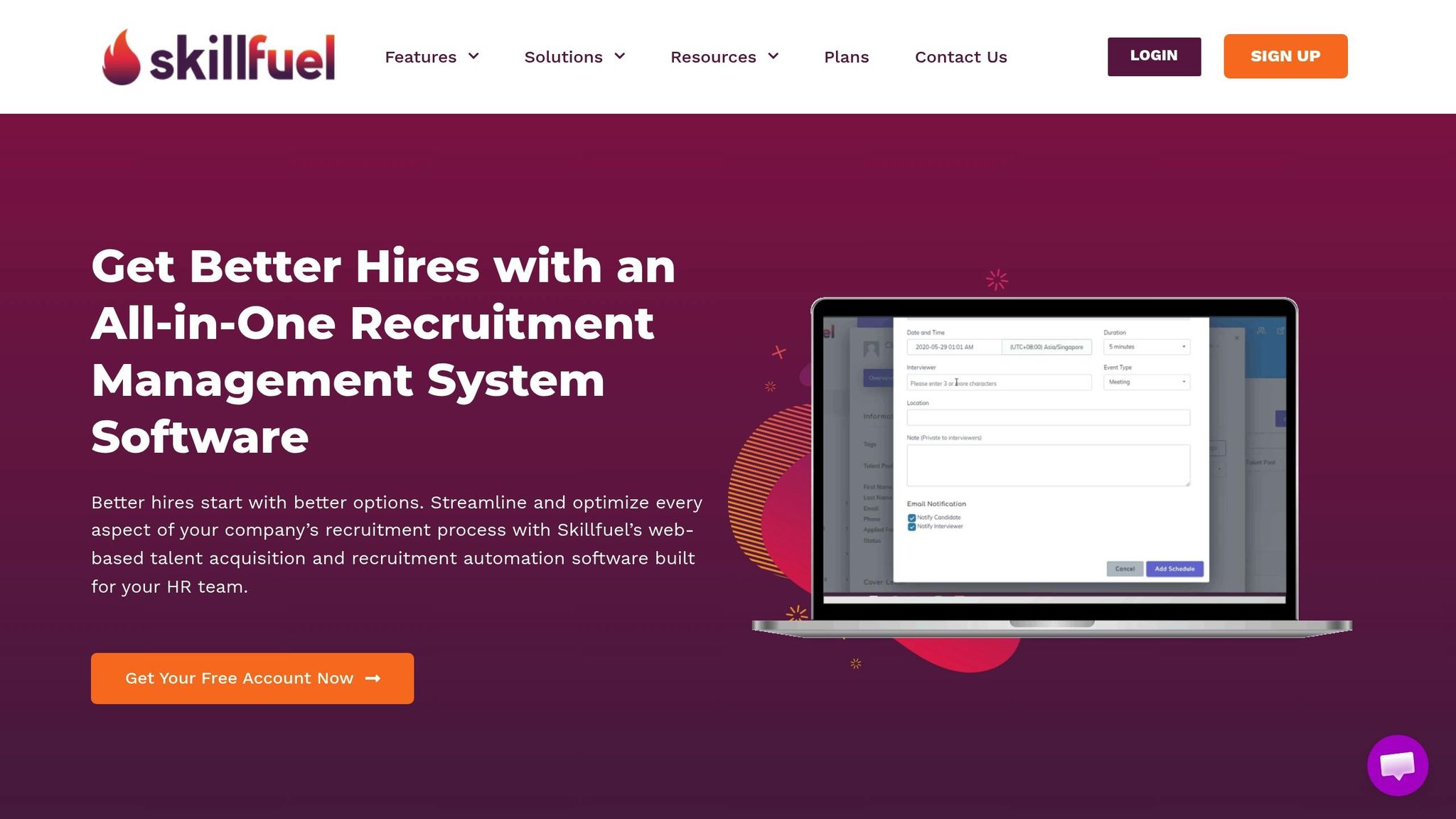
Skillfuel takes permit expiry management to the next level with its automation-focused tools, making the process smoother and more efficient.
With Skillfuel, permit tracking becomes seamless for both new hires and current employees. The platform’s centralized dashboard organizes all permit files within individual employee profiles, eliminating the need for outdated spreadsheets and endless email chains.
To keep everyone on track, Skillfuel automates compliance reminders. Notifications are sent via email, SMS, WhatsApp, and push notifications, with customizable alert intervals – like 30, 15, and 7 days before a permit’s expiration – to ensure nothing slips through the cracks.
Another standout feature is real-time synchronization. Whether an employee uploads a renewed document or HR updates a permit status, these changes are instantly visible to managers, compliance officers, and employees alike.
For added convenience, powerful search filters make it easy to locate documents quickly during audits or compliance checks. This ensures the right information is always at your fingertips.
sbb-itb-e5b9d13
Benefits of Using HR Tech for Permit Expiry Management
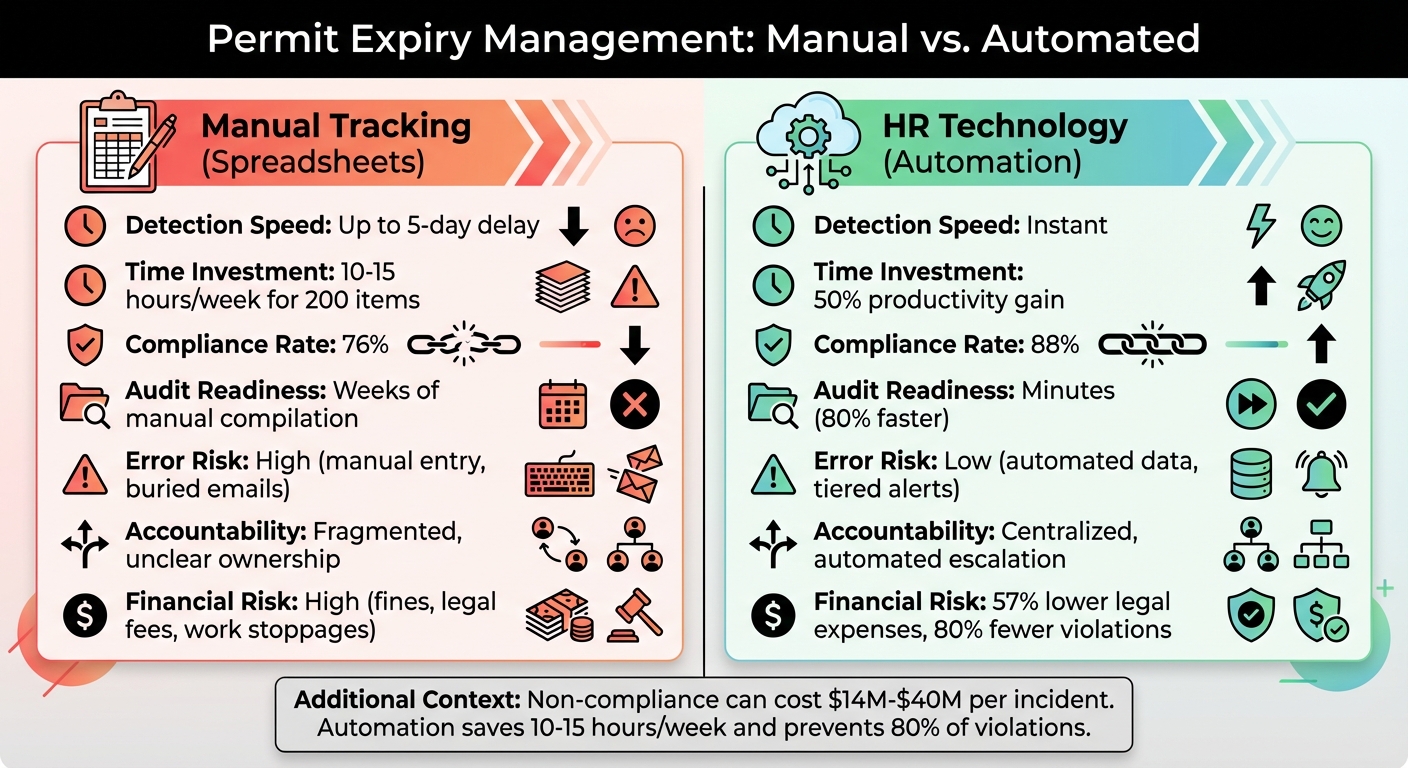
Manual vs Automated Permit Tracking: Key Performance Metrics Comparison
HR technology plays a crucial role in improving compliance, streamlining processes, and reducing costs. Companies using automated systems have reported a 57% drop in legal expenses and a 42% reduction in operational disruptions. With non-compliance incidents potentially costing between $14 million and $40 million per occurrence, automation becomes a smart financial decision. These systems directly address the risks associated with permit expirations.
But the advantages go beyond just avoiding legal troubles. HR tech makes everyday operations smoother. By automating tasks, HR teams can save 10–15 hours per week previously spent on manual tracking, leading to a 50% boost in productivity and a 70% reduction in document processing time. This frees up HR professionals to concentrate on more strategic responsibilities.
Automation also significantly improves compliance. It raises compliance rates from 76% to 88% and prevents 80% of violations by identifying issues in real time. For example, automated systems can flag upcoming expirations in seconds, while manual methods often take up to five days to identify the same issues.
Manual Tracking vs. HR Technology: A Comparison
The table below highlights the key differences between traditional manual tracking methods and modern automated HR technology:
| Feature | Manual Tracking (Spreadsheets) | HR Technology (Automation) |
|---|---|---|
| Detection Speed | Up to 5-day delay for violations | Instant |
| Time Investment | 10–15 hours/week for 200 items | 50% productivity gain in tracking tasks |
| Compliance Rate | Approximately 76% | Approximately 88% |
| Audit Readiness | Weeks of manual data compilation | Reports generated in minutes (80% faster) |
| Error Risk | High (manual entry, buried emails) | Low (automated data ingestion, tiered alerts) |
| Accountability | Fragmented; unclear ownership | Centralized; automated escalation to supervisors |
| Financial Risk | High (fines, legal fees, work stoppages) | 57% lower legal expenses; 80% fewer violations |
This comparison clearly shows how HR technology outperforms manual tracking, offering faster, more reliable, and cost-effective solutions for managing permit expirations.
Conclusion
Keeping up with work permit expirations can feel like a juggling act, with looming deadlines and endless paperwork. But HR technology simplifies this process, automating tasks to shield your organization from costly compliance risks while giving your team more time to focus on strategic priorities.
The shift from manual tracking to automated systems doesn’t just save time – it delivers real, measurable benefits. For example, HR tech can save over 30 administrative hours per renewal, reduce missed deadlines by 35%, and lower permit rejection risks by 40%, avoiding delays that could cost more than $9,500.
One standout feature of these systems is automated tiered alerts, set to notify you 90, 60, and 30 days before deadlines. This ensures you’re always ahead of the game. As the Horilla Editorial Team aptly puts it, "Ignoring document expiration dates is not just an administrative oversight; it’s a potential compliance and operational risk".
With governments moving toward digital-first processes, automated permit management is becoming the new norm. Choosing HR technology over manual tracking isn’t just about efficiency – it’s about protecting your workforce, staying compliant, and maintaining a competitive edge.
FAQs
How does HR technology help prevent missed work permit renewals?
HR technology simplifies the process of managing work permit renewals by automating tracking and sending reminders. These systems notify HR teams well before expiration dates, ensuring renewals are handled on time and reducing the risk of compliance issues or disruptions.
Platforms like Skillfuel centralize work permit data, offering real-time visibility and eliminating the need for outdated manual tracking methods like spreadsheets. This approach minimizes errors and keeps the process smooth, helping organizations stay compliant while avoiding fines or operational hiccups. Automation also makes it easier to manage large volumes of permits, keeping businesses organized and ahead of deadlines.
What are the advantages of using a centralized digital system to manage work permits?
Managing work permits through a centralized digital system offers a host of benefits. By consolidating all permit-related information into a single, accessible platform, it eliminates the hassle of digging through multiple spreadsheets or files. This setup allows HR teams to efficiently review, update, and track permit statuses in real-time, cutting down on errors and ensuring accurate data management.
Another major advantage is compliance. These systems can automate reminders for upcoming permit renewals and generate reports that are ready for audits. This reduces the likelihood of missed deadlines, legal penalties, or operational hiccups. Automated notifications also keep key personnel informed, ensuring permits are renewed on time and employees maintain their legal work authorization.
In short, a centralized digital system makes managing work permits easier, more efficient, and far less stressful by improving compliance and reducing administrative workload.
How do automated alerts help improve compliance with permit deadlines?
Automated alerts are crucial for staying on top of compliance deadlines by sending reminders well before permits or licenses expire. These alerts – typically sent 30, 60, or 90 days in advance – give team members plenty of time to handle renewals or updates without scrambling at the last minute.
With automation, the risk of human error drops significantly, helping organizations avoid fines and stay compliant with ease. When paired with centralized tracking and integration into existing workflows, managing regulatory deadlines becomes even smoother. This proactive system not only keeps operations running without interruptions but also safeguards the organization’s reputation.