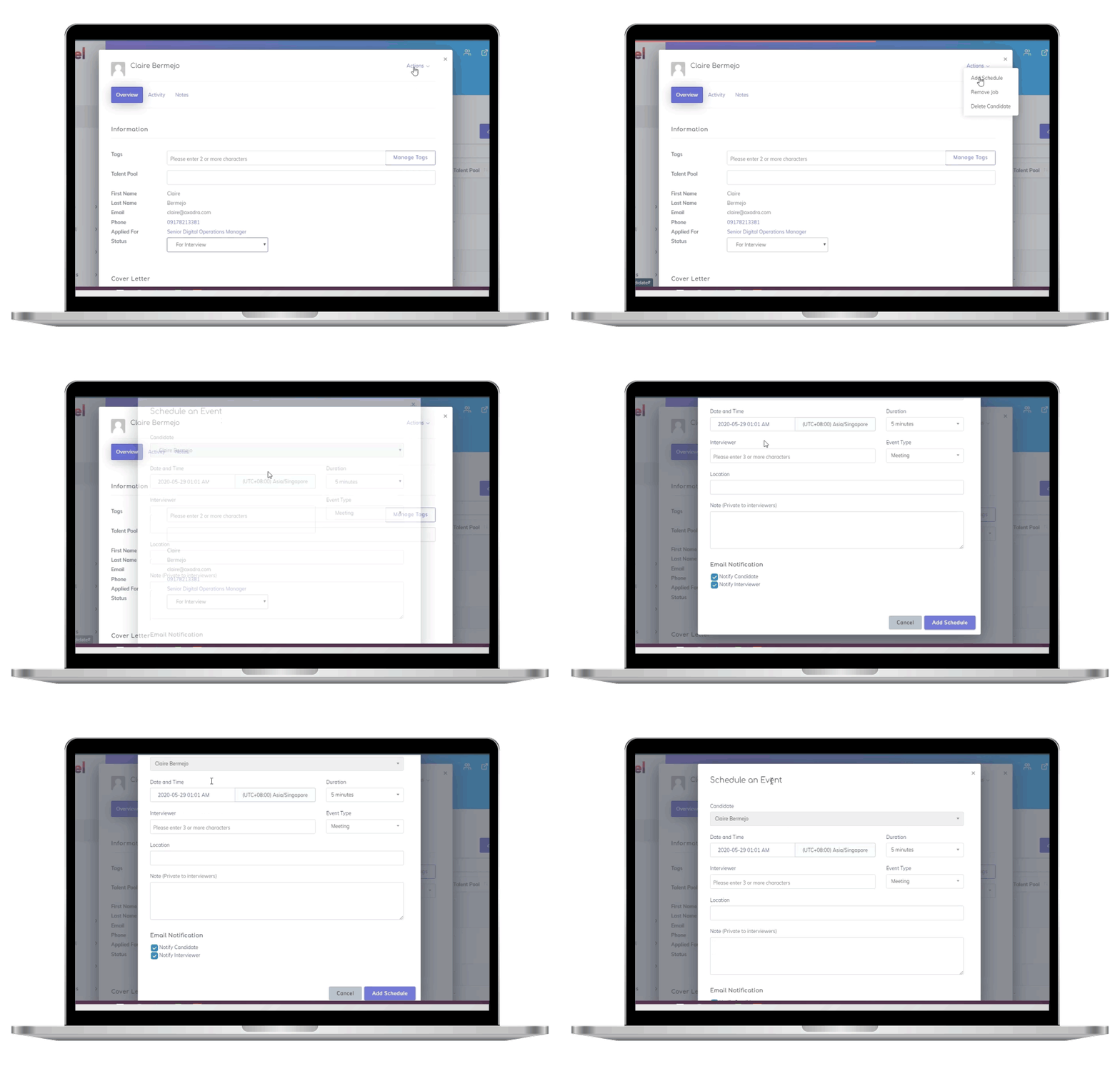

A five-factor selection framework for text-based recruiting software with ATS integration published September 8 identifies automated candidate messaging, team collaboration features, and compliance tracking as critical evaluation criteria for hiring teams, according to pdmeasurement.com.
TL;DR: Business publication pdmeasurement.com released a vendor-neutral framework September 8 covering ATS data sync, personalized messaging, automation controls, team visibility, and compliance reporting as the five primary factors when selecting text-based recruiting platforms.
The framework arrives as hiring teams increasingly adopt mobile messaging channels to reach candidates who check texts throughout the day rather than monitoring email inboxes. Author James Brooke positions text-based recruiting as a practical alternative to email outreach when speed and response rates determine whether qualified applicants stay engaged through multi-week hiring processes.
The guide addresses a specific procurement decision facing talent acquisition leads evaluating whether standalone texting tools or ATS-native messaging features better serve their hiring workflows. Text recruiting adoption has accelerated as candidates expect real-time updates on application status and interview scheduling, according to the publication.
ATS Data Synchronization Requirements
The framework positions automatic data transfer between texting platforms and applicant tracking systems as the foundational integration requirement. Recruiting teams need contact details, job records, message history, and status updates consolidated in a single system rather than toggling between disconnected tools, the guide states.
Bi-directional sync should update candidate records after key actions—a reply appears inside the applicant file, interview confirmations reach hiring managers, status changes trigger message sequences. Manual data entry between systems creates lag that costs recruiter hours and candidate experience quality, according to the framework.
Personalized Messaging Infrastructure
The second factor covers template libraries that recruiters can customize for specific roles or applicant segments while maintaining consistent employer brand voice. Generic bulk messages reduce response rates because candidates recognize automated outreach that ignores their background or the role details they care about, the guide notes.
Message thread visibility matters for context—recruiters reviewing previous exchanges before sending follow-ups avoid repetitive questions and reference earlier candidate concerns. This continuity helps applicants feel the employer respects their time and genuine interest in the opportunity, according to the publication.
Automation Controls and Timing
Automation features should handle repetitive outreach tasks—interview reminders, application confirmations, multi-day follow-up sequences—without removing recruiter oversight of message content and delivery timing. Different job openings require different cadences, particularly for high-volume hourly roles versus executive searches, the framework states.
The guide recommends platforms that allow recruiters to pause automated sequences when candidates request callbacks or raise questions requiring human response. Rigid automation that ignores candidate replies damages employer reputation and wastes recruiter time managing complaints, according to the publication.
Team Collaboration Features
Hiring involves recruiters, department managers, and interview panels who need shared visibility into candidate communication without forwarding text screenshots through email chains. The framework identifies role-based access controls that give each stakeholder the information needed for their decision stage—recruiters see full message history, managers review flagged priority applicants, coordinators access scheduling details.
Internal note features support coordination around candidate replies and interview feedback. A central workspace reduces missed updates that cause scheduling conflicts or duplicate outreach to the same applicant, the guide states.
Compliance and Reporting Infrastructure
The final factor covers consent management, opt-out processing, and secure candidate data handling that protect recruiting teams from regulatory violations. Text communication falls under consumer protection regulations requiring documented consent and immediate opt-out fulfillment, according to the framework.
Reporting dashboards should track delivery rates, response rates, interview attendance, and source performance so recruiting leaders can refine outreach strategies based on actual engagement data rather than assumptions. The guide recommends platforms that generate audit trails showing when candidates provided consent and when they opted out of future messages.
Teams evaluating recruitment software for small businesses face similar integration requirements regardless of organization size, the publication notes. Text recruiting platforms that sync poorly with existing ATS infrastructure create duplicate work rather than reducing manual tasks.
What Happens Next
The framework joins a broader set of vendor-neutral selection guides published this quarter as talent acquisition teams face budget pressure to consolidate tools while maintaining candidate experience quality. Text-based recruiting adoption continues accelerating because candidates expect mobile-first communication, but procurement decisions remain complex when weighing standalone specialists against ATS-native features.
Hiring teams can reference the five-factor checklist when requesting vendor demonstrations, focusing RFP requirements on data sync reliability, automation flexibility, and compliance controls rather than feature counts. Organizations already using free recruitment software may find text messaging integration limited compared to paid ATS plans that bundle candidate communication channels.
The September 8 publication provides no vendor comparisons or pricing benchmarks, positioning itself as an evaluation framework rather than a product recommendation. Teams wanting cost context can review pricing plans across ATS platforms to understand whether text recruiting features carry premium pricing or come bundled in standard tiers.