
Mint Manager UK published an employee onboarding framework August 28 positioning onboarding as a six-month integration process beginning before day one rather than a single-day orientation event, according to the HR software provider’s methodology guide.
TL;DR: The UK-based HR platform argues effective onboarding starts with pre-arrival preparation and extends well past the first week, giving employers regular checkpoints to identify training gaps and address retention risks before they escalate.
Pre-Arrival Preparation Phase Shifts Onboarding Timeline
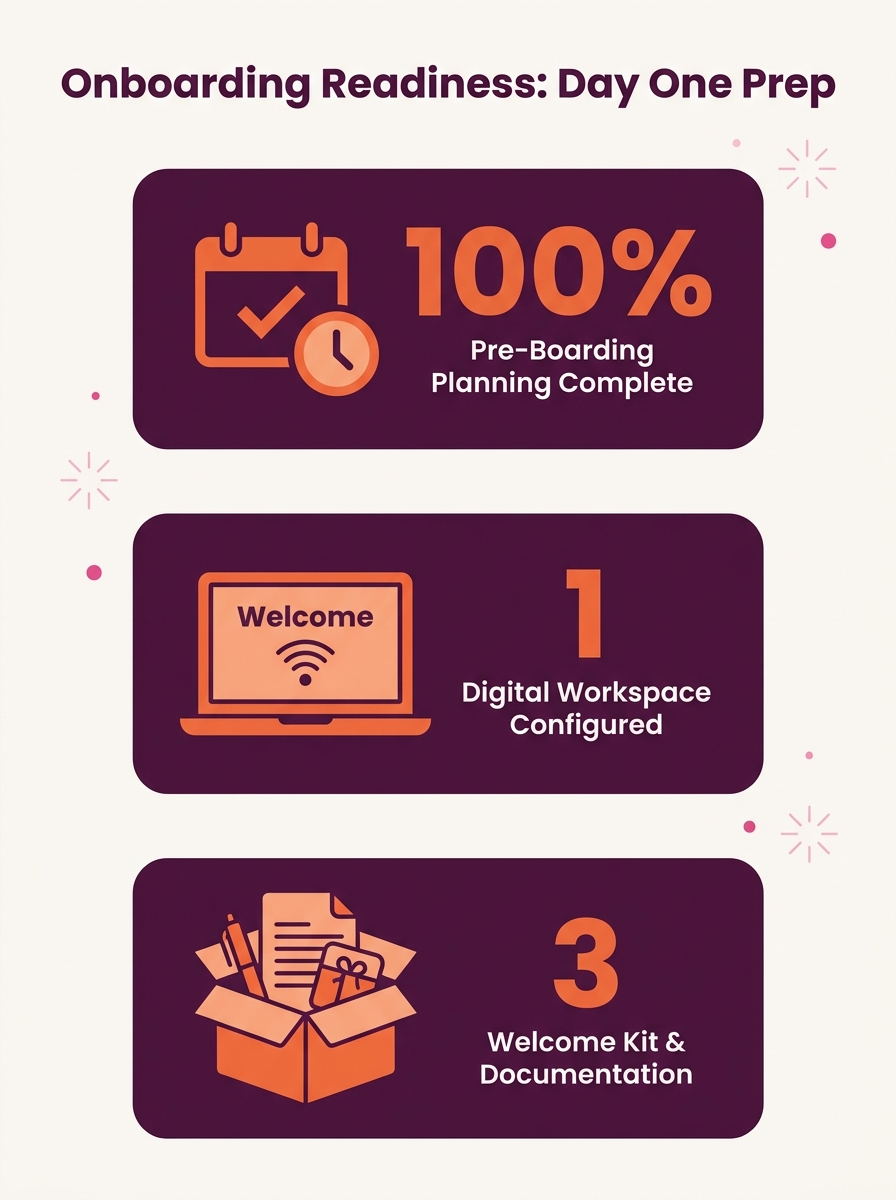
The framework opens onboarding before the first day arrives, detailing eleven pre-arrival tasks employers should complete to signal preparedness. Mint Manager’s guide positions right-to-work verification, IT system provisioning, workspace setup, and buddy assignment as foundational steps that differentiate “expected employee” experiences from reactive scrambles.
The methodology treats pre-arrival communications as retention tools. Sending new hires a welcome email with first-day logistics—arrival time, parking instructions, initial meeting schedule—removes the uncertainty that accompanies starting roles at unfamiliar organizations, according to the guide. The framework directs employers to prepare a 90-day plan outline before arrival, positioning clarity as the primary driver of early confidence.
Mint Manager specifically calls out right-to-work compliance as a process-critical checkpoint, noting UK employers face different verification procedures depending on employee circumstances. The guide stops short of detailing those procedures but flags the compliance requirement as non-negotiable preparation work.
First-Day Framework Prioritizes Culture Over Paperwork
Day-one activities in the Mint Manager model emphasize human connection ahead of administrative tasks. The guide frames the common pattern—new employees sitting alone working through policy documents—as a missed opportunity to establish team integration and organizational culture.
Physical orientation steps the framework recommends include workspace tours highlighting high-traffic areas, team introductions prioritizing immediate colleagues, and explanations of building-specific procedures such as access hours and equipment quirks. Cultural orientation elements include vision and mission discussions, values clarification, and buddy introductions establishing clear support channels.
Role clarity receives equal weight to cultural integration. The methodology directs managers to define eight clarity dimensions on day one: core responsibilities, success metrics, initial objectives, probation structure, feedback cadence, one-on-one schedules, support escalation paths, and performance expectations. Mint Manager positions this clarity framework as the foundation that prevents new-hire confusion from evolving into performance gaps.
Six-Month Timeline Extends Beyond Training Checklists
The framework explicitly rejects information-dump onboarding models where employers present comprehensive training schedules and policy libraries upfront then leave employees to navigate independently. Mint Manager characterizes this “sink or swim” approach as counterproductive to retention goals.
Instead, the guide proposes phased information delivery matched to role needs, structured feedback loops, and proactive training-gap identification. The methodology positions onboarding as a bilateral process giving both employer and employee regular checkpoints to surface issues, adjust expectations, and course-correct before problems compound.
Three ongoing process elements form the framework’s extended timeline: setting clear behavioral and output expectations rather than assuming role clarity, identifying system-specific and process-specific training needs before performance deficits emerge, and maintaining scheduled check-ins throughout the probation period. The guide argues that employees with relevant prior experience still require onboarding investment to learn organization-specific workflows and cultural norms.
The framework aligns with a 90-day integration model other HR platforms have published, though Mint Manager extends the timeline to six months for full integration. The August methodology follows similar onboarding retention frameworks published by business advisory groups earlier in 2026 emphasizing structured first-quarter support over isolated orientation events.
The Takeaway
Mint Manager’s six-month framework reflects a broader shift among HR software providers toward positioning onboarding as a retention lever rather than an administrative checklist. For hiring teams already managing compressed time-to-fill windows and candidate quality pressures, the methodology presents onboarding investment as downstream friction reduction—catching training gaps and clarity issues in structured 30-60-90 day reviews rather than discovering them through turnover.
The emphasis on pre-arrival preparation and role clarity directly addresses the new-hire experience gap that drives early-stage regrettable attrition. Organizations treating day-one orientation as the onboarding finish line leave performance expectations and support structures undefined, creating the ambiguity that pushes recent hires back into job markets. Mint Manager’s phased approach gives recruiters and hiring managers a documented process for the integration period after offer acceptance but before full productivity.
The framework’s compliance callouts—particularly around right-to-work verification and policy acknowledgment—also position onboarding as risk mitigation for HR teams navigating employment law requirements alongside hiring volume targets. Structured pre-arrival and first-week protocols document that employers provided required information and support, addressing both retention goals and legal protection simultaneously.