
How fast and well you hire shows how healthy a company is. It keeps projects on track, helping a business run smoothly. Central to this is the time-to-hire metric, which is the number of days that pass from a candidate applying to an offer being accepted.
Industry standards for this metric are diverse. The FBI leads in duration at 39.27 days, followed by Oracle’s 25.56-day on-ramp. Uber significantly outpaces its tech peers with a 9.34-day average. Meanwhile, McDonald’s demonstrates peak efficiency with a start time of just 5.32 days.
For new recruiters, however, hitting these benchmarks is tough. The pressure to reduce the time-to-hire metric often feels at odds with the need to find high-caliber talent.
Don’t worry, for we are here to help you out. Here, we’ll share a few talent acquisition tips that can help you reduce time to hire when you’re recruiting for the first time.
#1 Polish Your Job Descriptions
The job description is often the first point of contact for a candidate.
An effective description does not merely attract a large volume of candidates, but also attracts the right candidates. That reduces the time spent by recruiters sorting through unsuitable applications.
Learn how to write clear and simple posts. This helps candidates decide if they are a good fit.
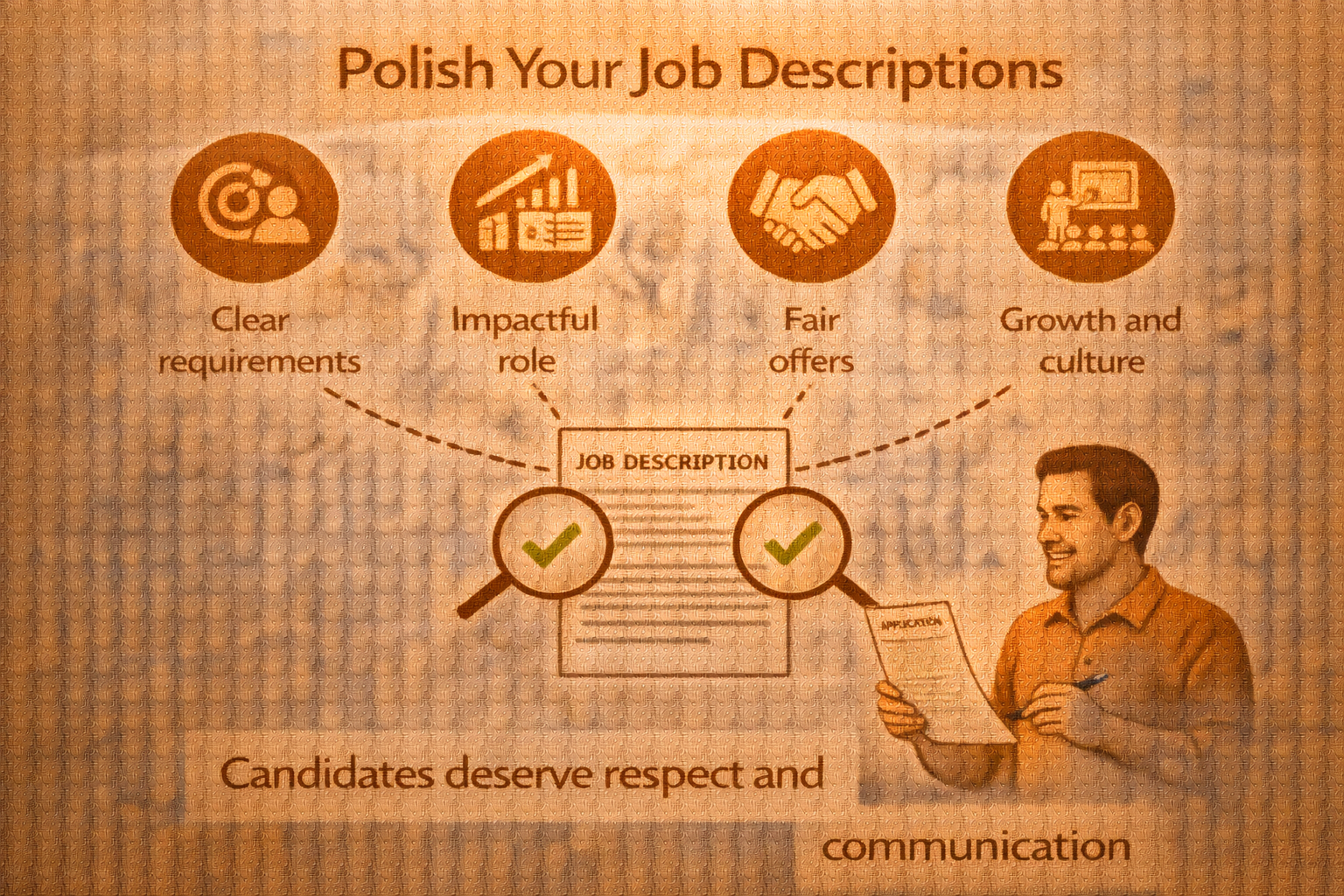
A pervasive error in modern recruitment involves the use of repellent language or vague corporate jargon. Terms like “ninja,” “rockstar,” or “guru” are perceived as gimmicky by high-quality talent.
Instead of vague descriptors, focus on the job purpose. This should be a high-level overview of why the position exists.
Male-coded jargon like “assertive” can reduce the number of female applicants. Female-coded terms like “nurturing” may alienate male candidates. Using gender-neutral terms like “motivated” or “professional” ensures a broader pipeline. This increases the volume of qualified applicants from the start.
Avoid exhaustive lists of trivial duties. They tend to dilute the core requirements of the position.
The human brain can only effectively process five to nine pieces of information. Your job descriptions must include only the top 5 or 6 critical duties. Phrase the duties as outcomes rather than mere activities.
#2 Speed Up Resume Screening With Simple Criteria
The black hole of recruitment is usually the initial resume screen. When you have 200 applicants for a single role, it’s easy to get bogged down in the details. The secret to speed is establishing a knock-out criteria list before you even open the first PDF.
Develop a checklist of three to five objective criteria. This might include geographic location (if the role isn’t remote), specific software proficiency, or a particular educational baseline. If a candidate doesn’t meet these, you disqualify them. That helps protect your time for high-potential leads.
Speeding up doesn’t mean being rigid; it means being smart about what translates to success.
For example, if you are hiring for a high-level counseling or social services administrative role, you might be looking for specific advanced credentials. You might encounter a candidate who pursued their master’s degree in social work online while working full-time.
Cleveland State University notes that the online track offers more flexibility, spanning 8 to 10 semesters (2 years and 7 months to 3 years and 3 months).
In the past, recruiters might have been wary of online degrees or candidates juggling work and school. However, now, this actually signals incredible time-management skills and a high level of self-discipline.
When you recognize that modern, flexible education, like an online master’s, is just as rigorous as traditional pathways, you can broaden your talent pool and reduce time to hire.
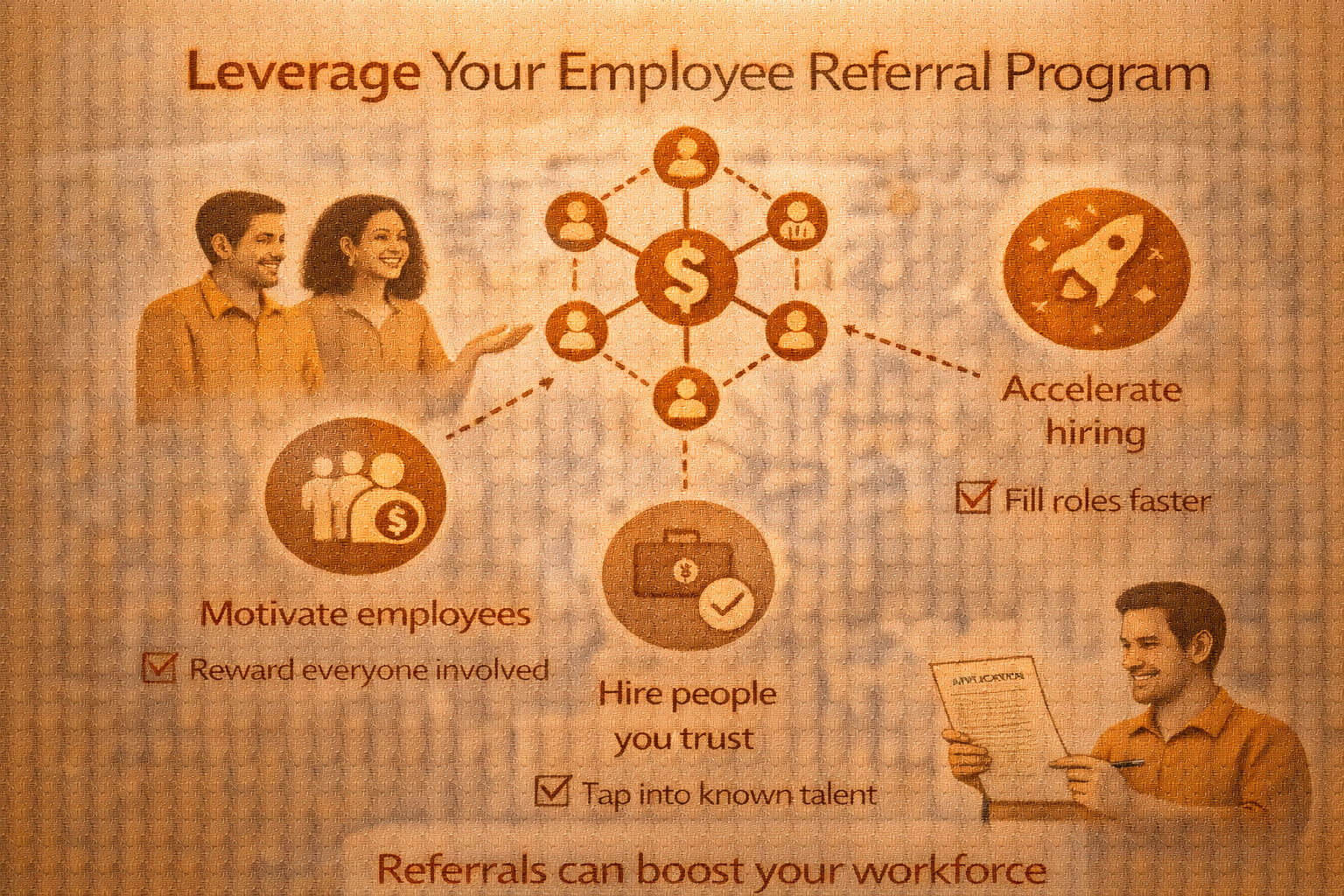
#3 Leverage Your Employee Referral Program
Employee referral programs are very effective for reducing time to hire.
Referred candidates are often more aligned with company culture. They also show higher retention rates than external hires. Referred hires are also 15% less likely to leave within their first year, proving more resilient and committed than non-referred personnel.
The impact of referrals on time to hire is significant. On average, it takes 29 days to hire a referred candidate, compared to 39 days for traditionally sourced candidates.
This reduction in time-to-hire stems from the immediate credibility a referrer provides. These endorsements bridge the initial trust gap, which eliminates the typical delays of the early vetting phase.
Your employee referral program can only be successful when you make it easy and offer meaningful rewards.
Many companies offer cash bonuses for referrals. These bonuses can range from $1,000 to $5,000. However, non-cash rewards can also work well. Some companies give out extra vacation days. Others offer travel gift cards or company swag. Recognition in company meetings can also boost morale.
Don’t make participation feel like extra work for the employee. Ask for minimal information from staff. Usually, just a name and contact details are enough. The recruiting team can then collect the resume and other data.
Keep the person who made the referral updated. You should send a quick email at every stage. If you don’t hire the candidate, explain why. This makes the employee feel valued for their effort. It encourages them to refer more people in the future.
Building a Leaner, Faster Recruitment Engine
Ultimately, reducing your time-to-hire is about removing the friction points that keep great people and great roles apart.
When you refine your job profiles, tighten your screening process, and leverage both employee networks, you don’t just hire faster but hire better in record time.
Master these strategies early in your career, and you’ll do more than just hit your targets. You’ll gain the credibility and respect of your hiring managers, proving that you aren’t just filling roles, but building teams.
Author Bio: Deepika is a budding content creator and is passionate about art and poetry. She holds a Bachelor’s in Literature from the University of Calcutta. With humble beginnings as a junior writer, Deepika climbed up to the ranks of editor and content manager. Currently, she writes as a freelancer and enjoys learning about different brands, their audiences, and how relevant content brings them together.