
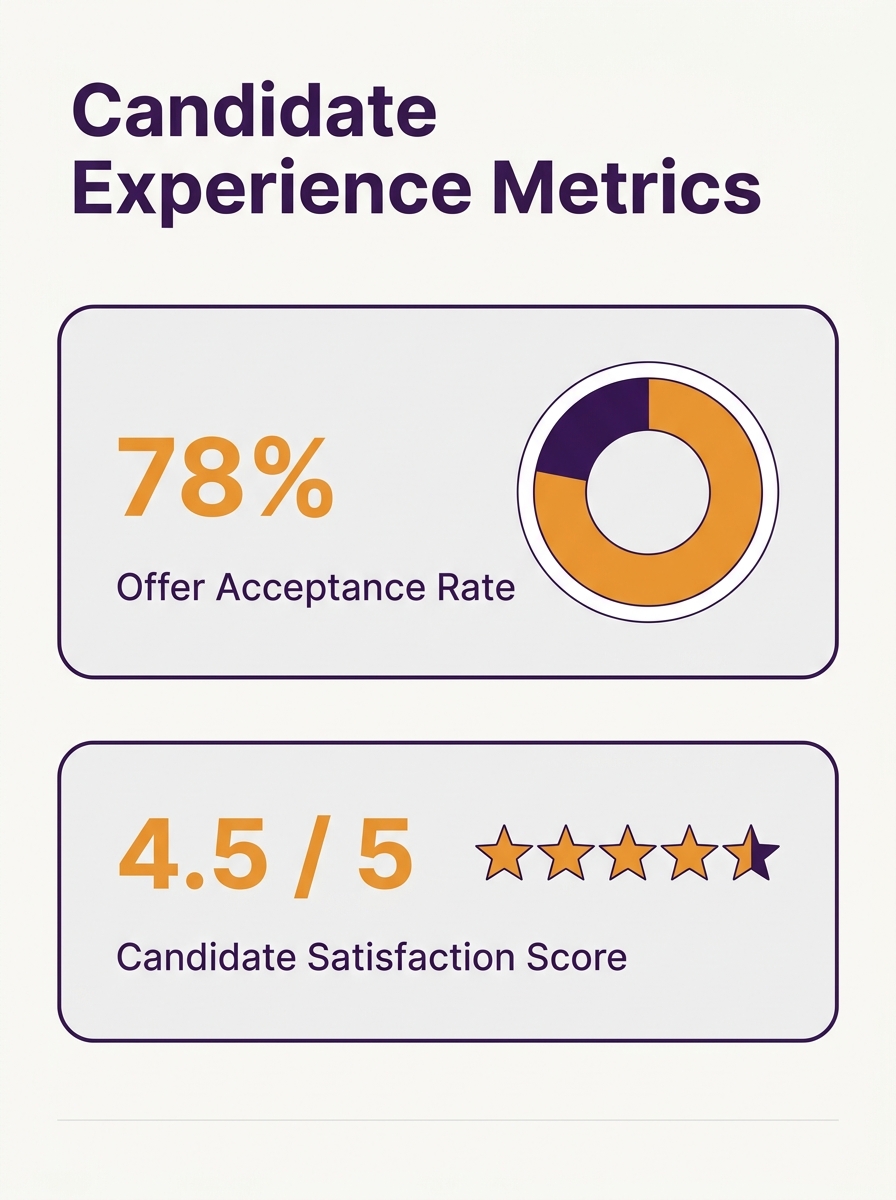
SkillGigs published a data-backed candidate experience guide September 25 showing 66 percent of candidates accepted job offers specifically because of a positive hiring experience, according to CareerPlug data cited in the report, while 52 percent of candidates who had poor experiences said they would avoid that company’s products or services afterward, per Yomly’s 2026 recruitment statistics.
TL;DR: SkillGigs’ September 25 guide documents a measurement gap: 48 percent of employers prioritize candidate experience improvement in 2026, but only 11 percent currently track candidate satisfaction scores.
The guide frames candidate experience as a revenue variable tied to offer acceptance rates, quality of hire, and employer brand, positioning response speed, application simplification, and timeline transparency as three core practices backed by 2026 recruiting data. The business case centers on withdrawal prevention—26 percent of candidates rejected offers due to poor communication or unclear expectations, and 36 percent declined after negative interview experiences, according to SelectSoftwareReviews and Yomly data compiled in the report.
Measurement Gap Versus Strategic Priority
Improving candidate experience ranks as a strategic priority for 48 percent of employers in 2026—second only to quality of hire—according to Jobscore candidate experience statistics cited by SkillGigs. Only 11 percent of organizations currently track candidate satisfaction, and just 21 percent of candidates report ever being surveyed about their hiring experience, the guide shows.
The data documents a disconnect between stated priority and operational measurement. Companies focused on candidate experience report 70 percent improvement in quality of hire, according to the compilation, but most recruiting teams lack baseline satisfaction metrics to assess whether process changes move outcomes.
The guide notes that 78 percent of candidates view the hiring experience as a direct indicator of how a company treats employees, per RecruitBPM data. The viral complaint about needing 47 résumés to navigate application processes illustrates the friction candidates encounter when organizations design hiring workflows without tracking candidate-side experience.
Response Speed as Withdrawal Prevention
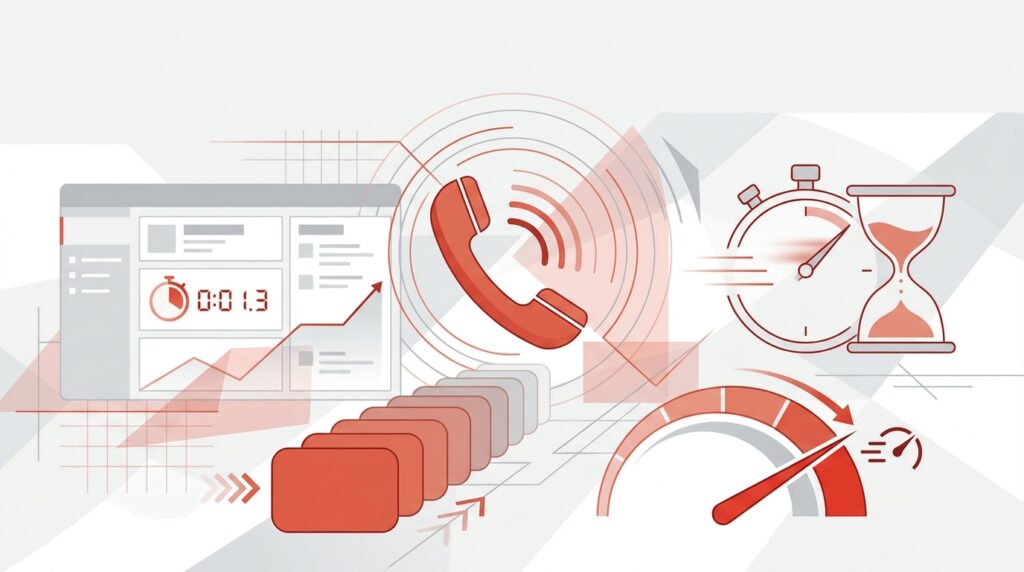
Fifty-three percent of candidates who withdraw from hiring processes cite pessimism about speed as the main reason, according to Jobscore data in the guide. Fifty-five percent of candidates expect the full hiring process to take one to two weeks, while the actual average hiring cycle runs 42 to 44 days, creating a 30-day expectation gap where candidate withdrawals cluster.
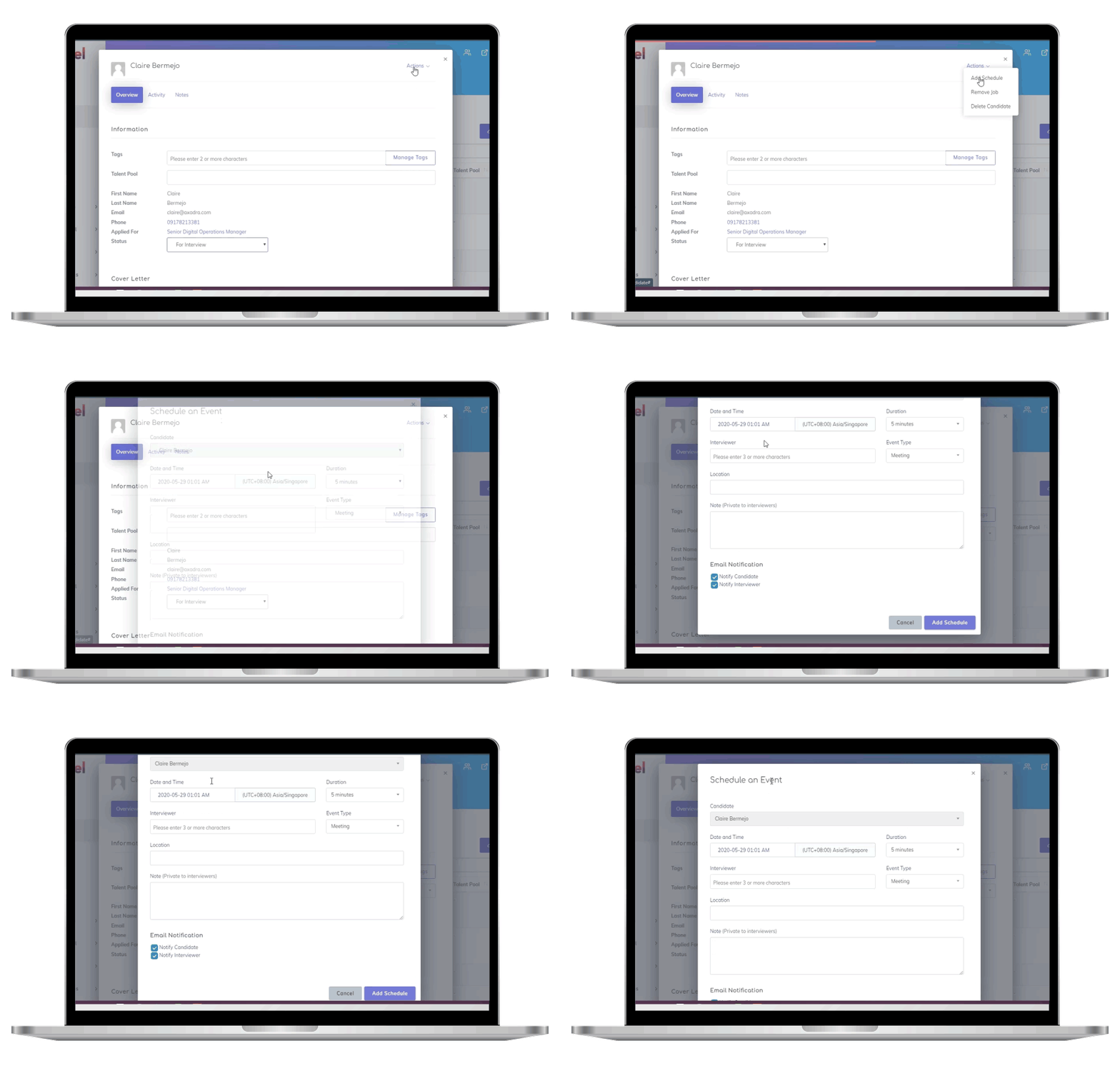
The guide recommends personal follow-up from a named recruiter within 24 business hours of application submission, with a calendar invite containing next steps within 48 hours of that initial contact. Automated acknowledgment emails alone do not prevent withdrawals; candidates who receive a specific date for next contact—”You’ll hear from [Name] by [specific date]”—disengage at lower rates during waiting periods, the report states.
Healthcare markets compound the speed problem, SkillGigs notes. An ICU nurse applying Monday who receives no contact has typically accepted a competing offer by Thursday, according to the guide’s healthcare recruitment section.
Application Process Length and Mobile Optimization
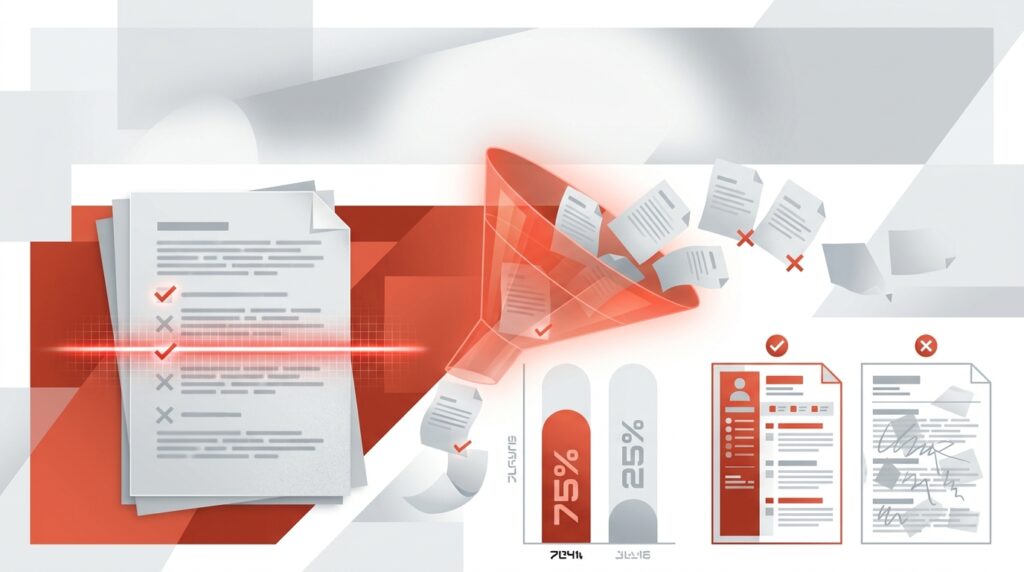
Forty-nine percent of job seekers find applications too long and complicated, while 83 percent expect applications to be fully mobile-optimized, according to Jobscore data compiled in the guide. Thirty-three percent of applicants abandoned applications when asked to complete one-way video interviews as part of the initial submission process.
Mobile optimization shifted from differentiator to baseline expectation in 2026, the guide states. Sixty-one percent of candidates complete simplified applications in 15 minutes or less when organizations remove fields that don’t directly inform hiring decisions and enable apply-with-LinkedIn or apply-with-resume options that eliminate data re-entry.
The report recommends quarterly audits where recruiting team members complete their own application process as candidates to identify broken mobile experiences and unnecessary form fields. Most application friction gets fixed only when internal stakeholders experience the candidate workflow directly, according to the guide.
Timeline Transparency Requirements
Candidates drop out not because hiring processes are long but because they don’t know how long processes will take, the guide states. The report provides specific time targets by hiring stage based on candidate expectations versus organizational best practices:
Application acknowledgment should be automated within five minutes, while screening follow-up should occur within 24 business hours. First interview times should be offered within 48 hours of screening completion, with feedback or hiring decisions delivered within three to five business days after interviews conclude. Offer acceptance windows should allow 48 to 72 hours minimum, according to the guide’s timeline framework.
An email stating “Our process typically takes 10–14 days and here’s what each step involves” reduces dropout rates more effectively than most ATS implementations because candidates who know the plan trust the process, the guide argues. Silence creates anxiety, and anxiety creates withdrawals at every stage.
The framework contrasts with data showing recruiters now seeking friction in job applications after AI tools flooded pipelines with 1,000-plus résumés per role—a tension between candidate experience optimization and screening volume management.
What Happens Next
The candidate experience measurement gap SkillGigs documents creates an implementation opportunity for recruiting teams that already use automated interview scheduling and ATS communication workflows. Response time, application length, and timeline transparency are measurably trackable through existing recruiting software, but only 11 percent of organizations currently instrument those metrics.
The 66 percent offer acceptance correlation with positive experience—and the 52 percent brand-avoidance rate after poor experiences—position candidate satisfaction as a leading indicator for both hiring outcomes and employer brand strength. Organizations that begin tracking satisfaction scores at each hiring stage in Q4 2026 will have baseline data to assess which process changes actually improve offer acceptance by Q1 2027.
The guide’s release follows onboarding retention frameworks and new-hire productivity acceleration strategies published earlier in September, suggesting a broader 2026 focus on post-offer candidate experience extending into first-90-day retention.