
The single best question job candidates can ask transforms them from “one applicant in a sea of many to someone I want to hire on the spot,” according to a former Google recruiter who published interview guidance July 22 in CNBC.
TL;DR: Farah Sharghi, who spent 10 years recruiting at Google, Uber, Lyft, TikTok, and The New York Times, says the most successful candidates ask what problem the company is hiring to solve rather than predictable questions about growth or culture.
Farah Sharghi, an HR and technical recruiter with 10 years of experience across Google, Uber, Lyft, TikTok, and The New York Times, told CNBC that most candidates “waste this opportunity” when interviewers ask if they have questions. Sharghi said the most successful candidates focus on understanding the specific problem the role exists to fix.
“Companies are not creating roles for fun,” Sharghi said in the CNBC piece. She explained that hiring managers have an issue that needs handling without significant oversight, and candidates who demonstrate they already think this way stand out immediately.
The Four Problem-Focused Questions That Signal Problem-Solving Ability
Sharghi provided four variations of the core “What’s broken?” question, each designed to surface different types of information about role expectations and success metrics.
The first variation—”What’s actually broken right now that you want this person to fix?”—must be asked with humility rather than as a confrontational question, according to Sharghi. She recommended framing it with “To make sure I’m focusing my energy in the right direction” before asking. The question reveals the real reason the job exists and allows candidates to speak directly to the issue and their ability to solve it, she said.
The second question—”A year from now, what will make you say that this hire worked out?”—shows the interviewer that a candidate is already planning targeted results rather than seeking any job offer, Sharghi explained. She advised candidates to synthesize the answer back to the interviewer and connect it to past accomplishments.
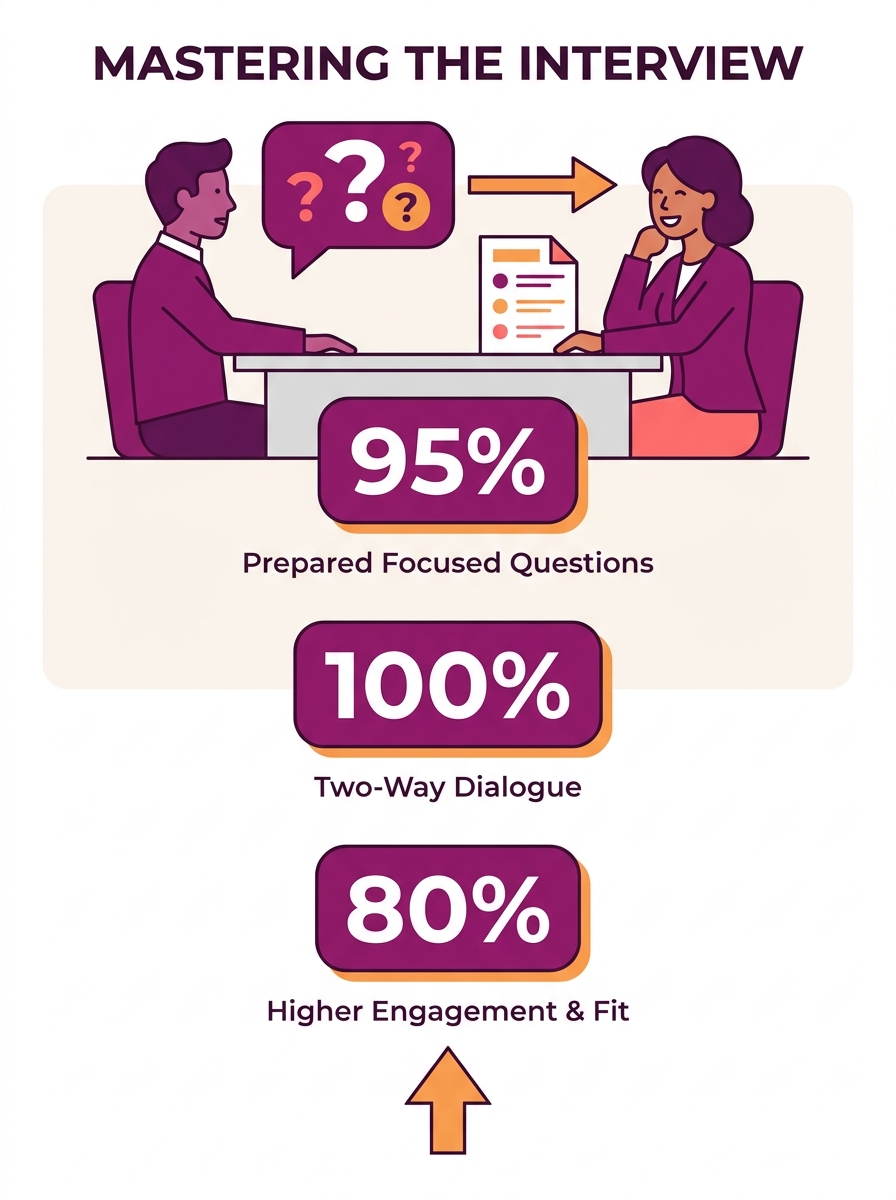
Sharghi’s third recommended question asks interviewers to identify the team member they wish they could clone. This inquiry reveals what success looks like within the specific team texture rather than in theory, she said, and helps candidates understand what works before moving to the next interview round.
The fourth question—”What’s the part of this job people underestimate?”—gives interviewers an opening to share what keeps them up at night about the role, according to Sharghi. The question signals that a candidate would rather work through complicated issues than stay on the surface.
Why Timing and Framing Matter More Than Technical Qualifications
Sharghi told CNBC that by the time she asks “What questions do you have for me?” at the end of an interview, she has already decided how she feels about a candidate’s technical skills. The question period serves to understand how candidates think rather than evaluate their qualifications further.
“Most people ask predictable and safe questions about growth, culture and day-to-day tasks,” Sharghi said. The approach fails to demonstrate the problem-solving orientation that distinguishes candidates who can handle issues without significant oversight.
Sharghi’s guidance aligns with broader patterns corporate recruiters identified in 2026 talent searches, where problem-solving ability ranks among the top three desired attributes despite widespread AI adoption across hiring functions.
The recruiter emphasized that candidates should treat the interview like the first day of work, spending the hour trying to understand what they were hired to fix rather than treating it as an audition. “The people I’ve wanted to hire on the spot never played it that way,” she told CNBC.
What Happens Next
Sharghi now works as a career coach and content creator, posting about job hunting, interview preparation, and salary negotiations on YouTube, Instagram, and TikTok. Her interview framework reflects a decade of hiring decisions at five major technology and media companies.
The guidance comes as talent acquisition teams face pressure to improve candidate evaluation processes while managing high application volumes. Recruitment teams that train hiring managers to answer problem-focused questions from candidates may see improved hire quality, since the exchange forces both parties to clarify role expectations and success metrics before extending offers.
For recruiting operations leaders, Sharghi’s framework suggests that post-interview debriefs should assess whether candidates asked about specific problems rather than generic company culture, treating question quality as a predictive signal of on-the-job performance.