
Have you pushed away top talent before? This may sound a bit absurd, since no recruiter in their right mind would want to lose any deserving job seekers.
However, statistics seldom lie. In 2024, most recruiters made fewer than 15 placements per year. Only 16% succeeded in exceeding 20 placements. The hiring process is no longer linear; one wrong move can send your top talent on their way.
From the applicants’ perspective, certain recruitment habits come across as apathetic or insensitive (even if the intentions were innocent). This article will share three of the most common ones that push top talent away. As we discuss those, you will find tips to turn your hiring process into a candidate magnet.
Moving Too Slowly at Critical Stages
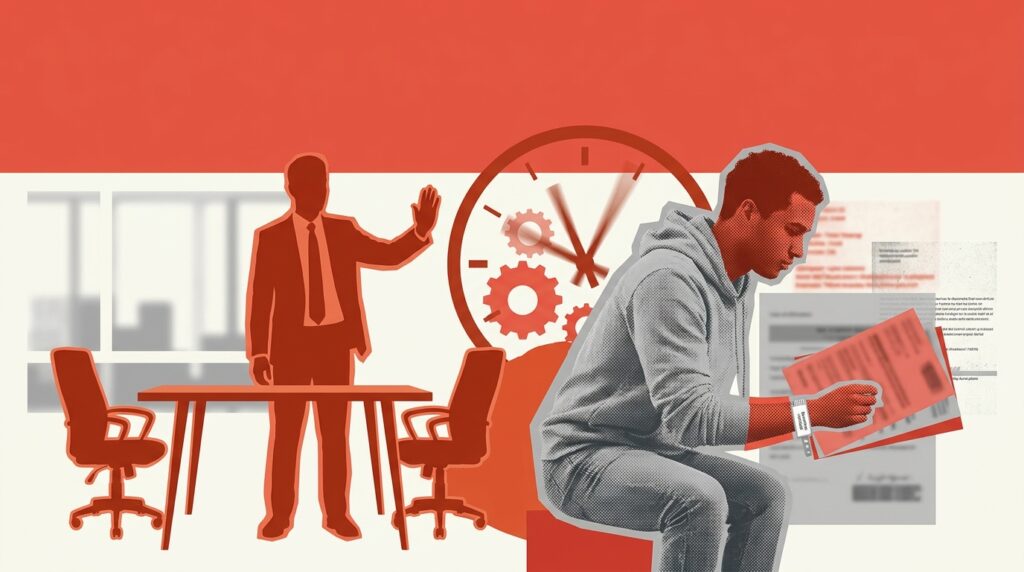
Waiting…..waiting….and waiting. Well, this is what kills the excitement for many job applicants. Keep in mind that top candidates are not patients in a waiting room. They are busy professionals with options. This means your business must stand out.
When the hiring process moves at a snail’s pace, candidates begin to wonder whether your enthusiasm matches theirs. A 2025 report found that 60% of organizations witnessed longer time-to-hire in 2024. Interview cancellations and scheduling delays are identified as the top bottlenecks in the recruiting process.

So you see that moving slowly, and its repercussions, are not HR folklore. It is a widespread hiring pain point that can cost you good talent. To prevent this, you need to know the main spots where slowdown happens, which include:
- Initial response after application: Candidates often send in their resumes, and boom, crickets. Without a timely response, excitement fades.
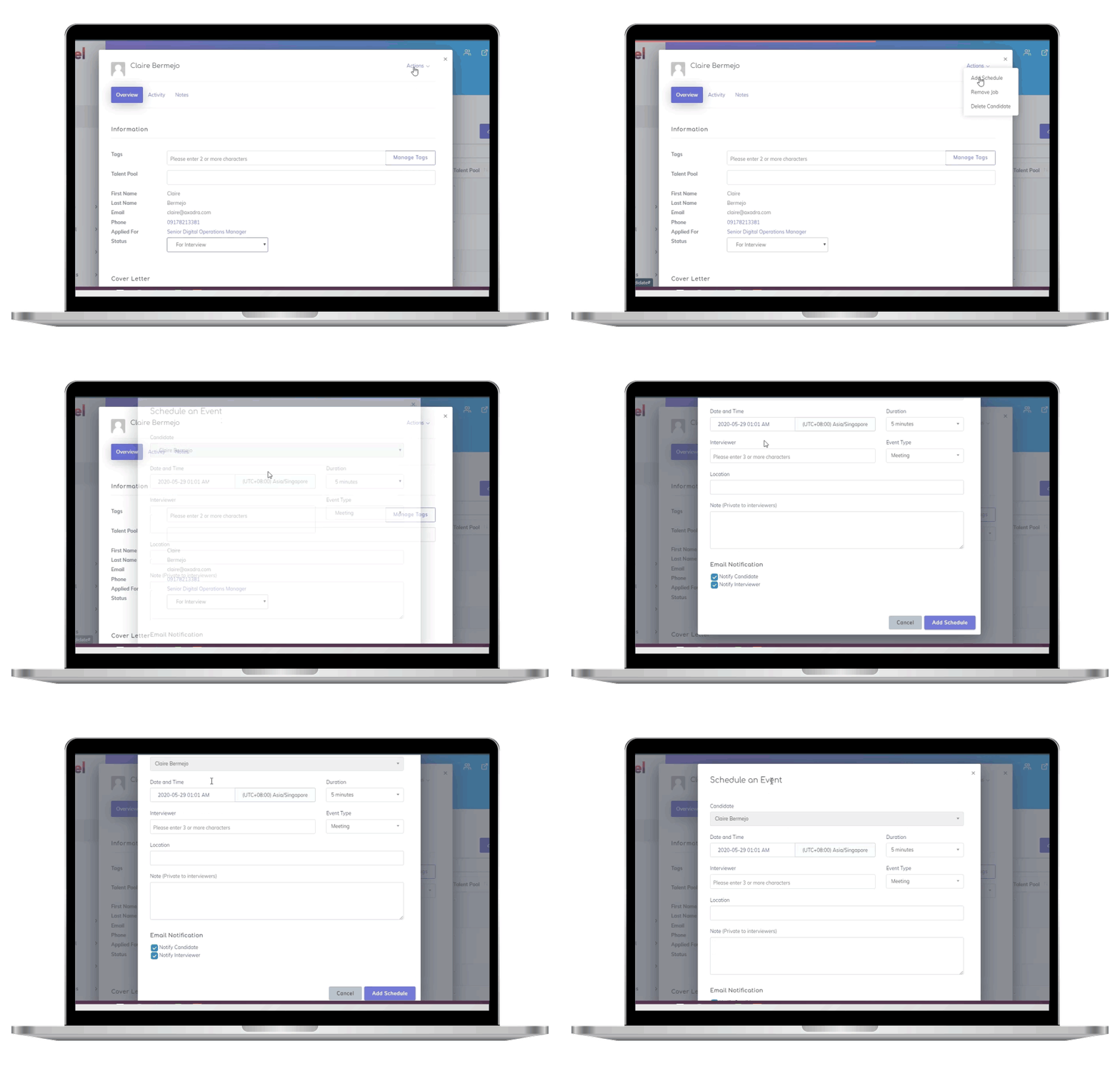
- Pre-interview coordination: Applicants may lose interest if you take too much time to schedule a date between application review and the first interview.
- Post-interview feedback: Even after the interview, candidates often wait days or weeks for feedback, which may create anxiety.
How to Fix This
- Fix and communicate realistic timelines for every stage.
- Automate acknowledgement emails and interview reminders.
- Share regular updates, even if the only news you can deliver is “we’re still reviewing.”
- Ensure feedback from interviews is collected at the earliest and shared with decision-makers.
Relying on Outdated Ideas About Qualifications
Is your hiring team also using perfect credentials as the benchmark for a suitable candidate? Well, then the spoiler alert is that things don’t work that way, at least not anymore. Modern roles, being complex, require diverse skills.
This means that some of your top candidates may have acquired their skills from non-traditional career ladders. When employers stay fixated on outdated qualification filters, they lose out on great people.
According to the NACE Job Outlook 2025 Spring Update, two-thirds of employers these days hire based on skills. In other words, the emphasis is on what people can do, not just their certification or diploma. Since skills-based hiring practices are used ‘always or most of the time,’ you need to adopt them if you haven’t already.
In most cases, strong applicants, especially those with creative capabilities, do not fit into a box. For instance, someone with an online journalism degree may arrive with multimedia experience and familiarity with digital publishing tools. Both are highly applicable to many modern content and communications roles.
As St. Bonaventure University shares, such candidates contextualize the role of digital journalism in our rapidly changing society and media landscape. This provides insights and hands-on skills, much beyond the scope of conventional credentials.
However, if your hiring process focuses only on formal learning, many capable candidates won’t make the cut. So, the following blind spots are important to consider:
- Paying too much attention to specific degrees instead of demonstrated abilities
- Neglecting real-world work samples and portfolio projects
- Expecting career trajectories to be perfectly sequential
How to Fix This
- Let the screening process be focused on skills and outcomes, not fancy labels.
- Highlight core competencies in job descriptions.
- Make sure to review candidate portfolios and work experience early in the hiring process.
- Train hiring managers to recognize alternative career paths and backgrounds.
Creating a One-Sided Candidate Experience
Suppose you go for an interview, nervous yet excited. You find yourself doing all the talking, and the interviewer does not as much as lift their head to look you in the eye. To your further dismay, you’re given no glimpse of what life in the company is like.
Well, no candidate enjoys a monologue during an interview. The hiring process should not ignore the applicant’s perspective altogether. Besides coming across as rude, a one-sided candidate experience can drive away top talent.

The 2024 Candidate Experience Report found that 51% of job candidates have abandoned a recruitment process due to poor communication from the employer. That’s more than half of potential top performers walking away before an offer is even made.
Besides the candidate experience, a dull recruitment process also damages the employer brand. Candidates who feel frustrated or uninformed often share their grievances online or with peers. As a result, other high-quality applicants may step back.
Furthermore, a one-way process doesn’t allow candidates to get a clear picture of expectations and culture. So, is your hiring process one-sided? If you’re unsure, look for these common signs:
- The applicant tends to answer every question, but seldom gets to ask their own.
- Candidates leave unable to understand their actual responsibilities or expectations.
- There is no clear picture of team dynamics or management style.
- Silence after interviews or assessments leaves applicants feeling anxious or disengaged.
How to Fix This
- Treat interviews as conversations, allowing candidates to ask questions freely.
- Be transparent about responsibilities as well as the career progression the candidate may expect.
- Provide timely updates to keep candidates engaged.
- Share insights into the company culture, team values, and the daily workflow.
If the last decade was about finding talent, the next decade will focus on learning with talent. Recruiters are trying their utmost to engage candidates right from the start. Today is no time for ghosting and canned responses.
With advanced technologies entering the picture, tailoring communication and follow-ups should not be that difficult. Give your candidates the clarity and respect they seek. Don’t allow recruitment to stop at an offer letter, but let it be the first step in a cycle of continuous connection.
Author Bio: Deepika is a budding content writer with a strong interest in turning complex topics into content that is engaging and easy to understand. She’s especially drawn to research-backed subjects that encourage seeing things from a new perspective. Outside of writing, novels and fine arts keep her creativity alive.