Structured interview training helps companies make better hiring decisions by reducing bias, improving consistency, and saving time. Unlike unstructured interviews, which rely on gut instincts and subjective impressions, structured interviews use standardized, job-focused questions and clear scoring systems. This approach ensures candidates are evaluated fairly and based on their actual skills.
Key takeaways:
- Better hiring accuracy: Structured interviews are twice as effective at predicting job performance.
- Reduced bias: Standardized questions and scoring systems minimize unconscious bias.
- Time savings: Organizations save about 40 minutes per interview on average.
- Improved candidate experience: Rejected candidates report 35% higher satisfaction with structured interviews.
- Lower costs: Fewer hiring mistakes mean less money spent on turnover and recruitment.
Structured interview training teaches interviewers how to ask consistent questions, score answers objectively, and avoid common biases like confirmation and affinity bias. Tools like Skillfuel simplify the process by centralizing question banks, automating scheduling, and tracking interview data to improve outcomes. By investing in structured interviews, companies can hire more effectively while reducing costs and legal risks.
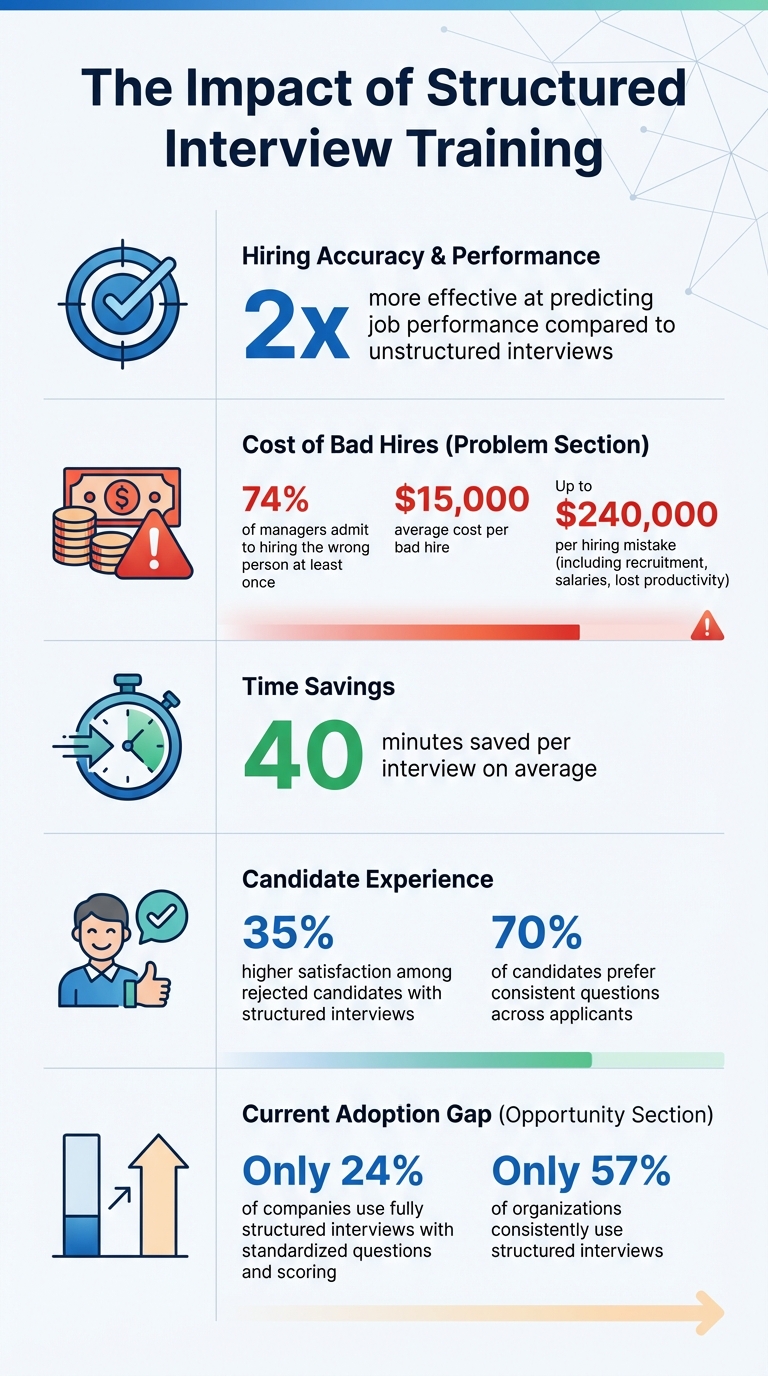
Structured Interview Training Benefits: Key Statistics and ROI
Structured 𝐈𝐧𝐭𝐞𝐫𝐯𝐢𝐞𝐰𝐬: 𝐅𝐚𝐢𝐫 𝐇𝐢𝐫𝐢𝐧𝐠 Explained
Hiring Problems Without Structured Interviews
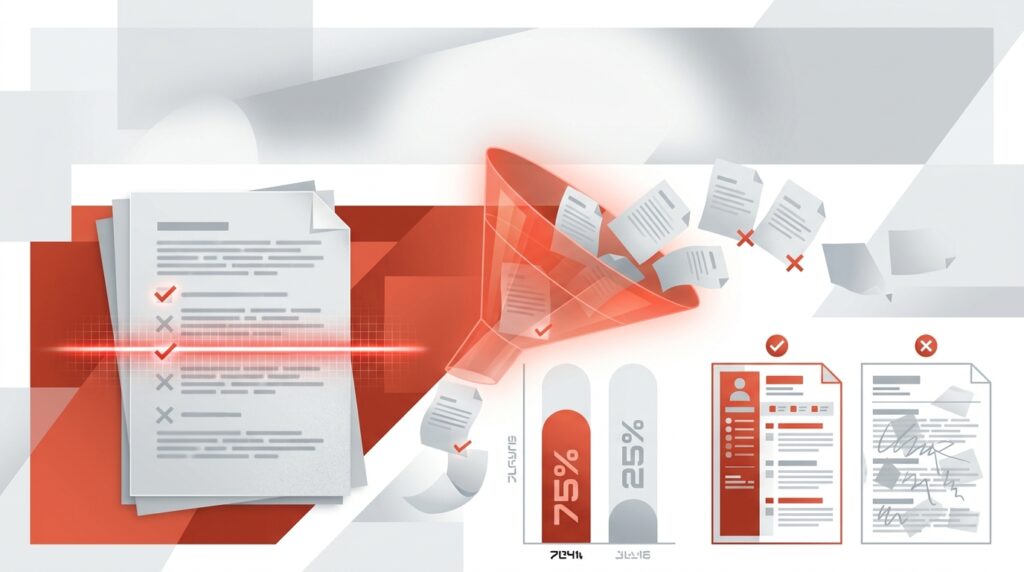
Skipping structured interviews can lead to expensive hiring mistakes. The numbers speak for themselves: 74% of managers admit to hiring the wrong person at least once, with each bad hire costing an average of $15,000. When you factor in recruitment costs, salaries, and lost productivity, that figure can balloon to $240,000 per mistake. These costly errors often stem from issues that arise during unstructured interview processes.
Unconscious Bias and Inconsistent Evaluations
Without standardized questions and scoring systems, interviewers tend to rely on gut feelings, forming snap judgments within the first few minutes of meeting a candidate. These judgments are often influenced by biases related to appearance, age, gender, or race. Once an initial impression is formed, confirmation bias takes over, with interviewers subconsciously seeking evidence to support their first impression rather than evaluating the candidate’s actual skills.
"Research shows that during first encounters we make snap, unconscious judgments heavily influenced by our existing unconscious biases and beliefs. In an interview context, without realizing it, we shift from assessing the complexities of a candidate’s competencies to hunting for evidence that confirms our initial impression."
The problem is compounded when multiple interviewers assess the same candidate using different criteria. For example, one interviewer might focus on technical skills, while another prioritizes interpersonal qualities. This inconsistent approach results in conflicting feedback, making objective hiring decisions nearly impossible. Many hiring managers also rely too heavily on instincts, unintentionally allowing bias to shape decisions.
Longer Hiring Cycles and High Turnover
Unstructured interviews also create inefficiencies that waste time and money. Randomized, inconsistent questions make it difficult to compare candidates fairly. Feedback often gets scattered across emails, chats, and spreadsheets, leaving hiring managers overwhelmed and disorganized. This lack of structure not only drags out hiring timelines but also increases the chances of selecting the wrong candidate.
The consequences don’t end there. Research shows that unstructured interviews are poor predictors of job performance – less reliable than tools like personality tests or aptitude assessments. When hiring decisions are based on informal impressions rather than job-specific competencies, companies frequently end up with mismatched hires and higher turnover rates.
Legal Risks and Compliance Issues
Unstructured interviews also open the door to legal trouble. Without standardized questions and evaluation methods, it becomes challenging for organizations to prove that hiring decisions were made based on job-related criteria rather than discriminatory factors. This lack of documentation can expose companies to equal opportunity complaints or violations of human rights laws. Alarmingly, only 57% of organizations consistently use structured interviews to ensure fair evaluations, leaving nearly half vulnerable to preventable legal challenges.
These issues highlight the importance of adopting structured interview practices and training to avoid these pitfalls.
What Are Structured Interviews?
Structured interviews tackle common hiring challenges by promoting consistency and fairness in how candidates are assessed. They focus on evaluating job-related skills through a set of identical, pre-planned questions, with responses rated using a standardized scale. This method allows for objective comparisons between candidates.
The process is built around four main elements. First, all candidates are asked the same job-relevant questions, which typically include a mix of behavioral prompts (e.g., "Tell me about a time…") and situational scenarios (e.g., "What would you do if…"). Second, answers are scored in real time using anchored rating scales that define what qualifies as poor, average, or excellent responses. Third, the interview criteria are based on a formal job analysis, ensuring the focus remains on measurable competencies. Lastly, having a single panel assess all candidates ensures fair and consistent comparisons.
Unlike traditional interviews, which often rely on casual conversation and subjective impressions formed after the fact, structured interviews are tightly controlled by the interviewer. Small talk is saved for after the formal assessment. Notably, structured interviews are twice as predictive of job performance compared to unstructured ones.
Below, we break down the essential components that set structured interviews apart.
Standardized Questions and Scoring Systems
The questions in structured interviews are not arbitrary. They are carefully designed based on a job analysis that identifies four to six key competencies critical for success in the role. This ensures consistency, so one interviewer doesn’t prioritize technical skills while another focuses on personality traits.
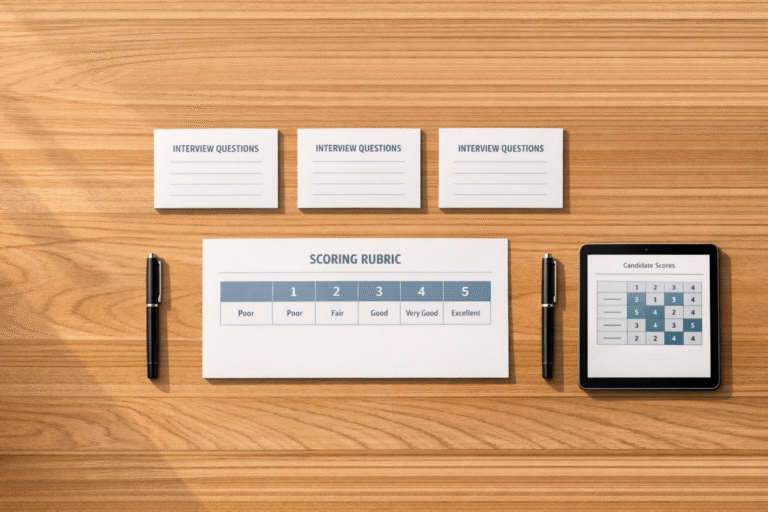
The scoring system complements these structured questions. Anchored rating scales, often five-point scales with detailed descriptions for each level, are used to grade answers immediately after they are given. These scales range from minimal relevant experience to exceptional problem-solving with measurable outcomes.
For example, Google has implemented structured interviews to save 40 minutes per session while improving the quality of hiring decisions. This combination of standardized questions and clear scoring criteria forms the backbone of unbiased candidate evaluations.
Objective Criteria for Assessment
Structured interviews replace subjective judgments with measurable, evidence-based evaluations. Instead of asking vague questions like, "Do I like this candidate?", interviewers use benchmarks tied directly to job requirements. The focus is on proven competencies rather than personal impressions, reducing the risk of bias.
Interestingly, research shows that candidates value this consistency. Even those who aren’t selected often report a more positive experience. Despite these advantages, only 24% of companies currently use fully structured interviews with standardized questions and scoring systems. By prioritizing measurable performance, structured interviews help improve hiring quality while reducing bias.
Why Structured Interview Training Matters
A structured interview framework is only as effective as the training behind it. Many interviewers assume they’re naturally good at assessing candidates, but research tells a different story. Instead of relying on objective data, interviewers often make quick, unconscious judgments that skew their decisions. This is where training steps in – it helps bridge the gap between good intentions and consistent, fair evaluations.
Training tackles the psychological biases that can derail hiring processes. For example, confirmation bias pushes interviewers to look for evidence that supports their initial impression of a candidate. Similarly, affinity bias – favoring candidates who seem similar to the interviewer – can unconsciously influence decisions. Without training, these biases work in the background, undermining even the most carefully designed interview frameworks.
Interestingly, structured interviews are not only fairer but also better received by candidates. Rejected applicants who experienced structured interviews were 35% more satisfied with the process, and 70% of candidates prefer interviews where questions remain consistent across applicants.
Mastering Question Delivery and Scoring
Reducing bias is only the beginning – structured interview training also refines the way interviewers ask questions and evaluate answers. Training emphasizes sticking to a script: asking questions in the same order, using identical wording, and maintaining a neutral tone for every candidate. This consistency ensures that differences in assessments reflect the candidate’s actual performance, not the interviewer’s mood or personal preferences. Google ReWork explains it best:
"The idea is that any variation in candidate assessment is a result of the candidate’s performance, not because an interviewer has higher or lower standards, or asks easier or harder questions".
Scoring is another critical focus. Interviewers are trained to use behaviorally-anchored rating scales – five-point rubrics with clear descriptions for each level – to evaluate answers in real time. This eliminates reliance on vague, post-interview “gut feelings.” Training also highlights the importance of independent calibration: interviewers must document their feedback and lock in scores immediately after the interview, reducing the risk of groupthink during team discussions.
Standardized questions and scoring systems not only improve accuracy but also save time. Plus, interviewers report feeling more confident in their evaluations. Mock interviews during training sessions allow staff to practice using these techniques, helping them build comfort with standardized processes and real-time scoring.
Reducing Bias and Promoting Fair Hiring
Training does more than standardize questions – it reshapes how interviewers approach fairness. For example, delaying rapport-building until after the assessment phase can prevent biases like affinity bias from influencing the evaluation before any job-related questions are asked.
Calibration training plays a key role here. It ensures that all interviewers share a consistent understanding of what makes a response "excellent", "average", or "poor". By reviewing sample answers and agreeing on scoring standards during training sessions, teams can minimize the inconsistencies that arise from personal discretion.
A great example of this in action is Ulta Beauty. The company standardized its interviews by setting a fixed number of interviewers and using predetermined questions for all candidates. This approach has helped create more equitable career opportunities and reduce bias in their hiring process.
Improving Candidate Experience and Legal Compliance
Transparency is a game-changer in structured interviews. Training teaches interviewers to let candidates know upfront that the process is structured and that everyone will receive the same questions. This simple step reduces candidate anxiety and reinforces the fairness of the process. People appreciate knowing they’re being evaluated on equal footing.
Beyond improving the candidate experience, structured training also strengthens legal defensibility. A standardized process, backed by thorough training, provides clear evidence of fair practices, which is crucial if hiring decisions are ever challenged. Training emphasizes detailed, objective note-taking, enabling hiring committees to verify assessments without relying on memory. This documentation is invaluable if a rejected candidate raises concerns about unfair treatment.
As Dr. Melissa Harrell, Hiring Effectiveness Expert at Google People Analytics, puts it:
"Structured interviews are one of the best tools we have to identify the strongest job candidates (i.e., predictive validity). Not only that, they avoid the pitfalls of some of the other common methods".
Structured interview training ensures these advantages aren’t just theoretical. It equips interviewers to turn these principles into practical, effective hiring practices.
sbb-itb-e5b9d13
How Structured Interview Training Solves Hiring Problems
Structured interview training tackles common hiring challenges by creating consistent processes and promoting objective evaluation methods.
Increasing Objectivity and Reducing Bias
With structured interview training, every candidate is asked the same questions in the same order, eliminating the inconsistencies that allow personal bias to seep into the process. Instead of relying on gut instincts or vague ideas like "culture fit", interviewers are taught to use standardized rubrics and rating scales to evaluate responses objectively. Research shows that structured interviews are twice as effective at predicting job performance.
The training also helps interviewers recognize and counteract common psychological biases. For example, it addresses confirmation bias, where interviewers focus only on evidence that supports their initial impressions, and affinity bias, where candidates with similar backgrounds are unfairly favored. To avoid memory bias, interviewers score responses immediately during the interview. Additionally, panel members independently record their scores before group discussions to prevent groupthink. By tying questions directly to a job analysis, the evaluation process stays centered on the job’s key competencies, replacing subjective preferences with measurable, job-related criteria. This structured approach not only enhances fairness but also delivers time and cost efficiencies.
Saving Time and Reducing Costs
Structured interview training streamlines the hiring process, creating efficiencies that grow over time. By centralizing the design of role-specific questions and scoring systems, recruiters can reuse these tools for future hires. This reduces the need for lengthy post-interview discussions.
For example, internal research at Google revealed that using structured interview guides and rubrics saves about 40 minutes per interview. When applied across multiple hires, these savings significantly improve overall productivity. Additionally, by enhancing the accuracy of hiring decisions, structured interview training minimizes the expensive cycle of poor hires and high turnover rates.
Better Candidate-Job Matching and Retention
Structured training also improves how well candidates align with the roles they’re hired for. Interviewers are trained to focus on behavioral questions, based on the idea that past behavior is the best indicator of future performance. Using job analysis to pinpoint the critical skills needed for success ensures that candidates are evaluated on their ability to meet the role’s actual demands. This approach shifts the focus from subjective traits like "likeability" – which often introduces bias – to objective, skills-based data that better predicts long-term success.
The candidate experience also benefits from this approach. Rejected candidates report 35% higher satisfaction when they feel the evaluation process was fair. For those who are hired, this sense of fairness fosters positive engagement from day one and encourages long-term commitment to the organization. Despite these advantages, only 24% of companies currently use fully structured interviews with standardized questions and defined rating scales. This means organizations that prioritize structured interview training gain a clear advantage in attracting and retaining top talent.
Implementing Structured Interview Training with Skillfuel
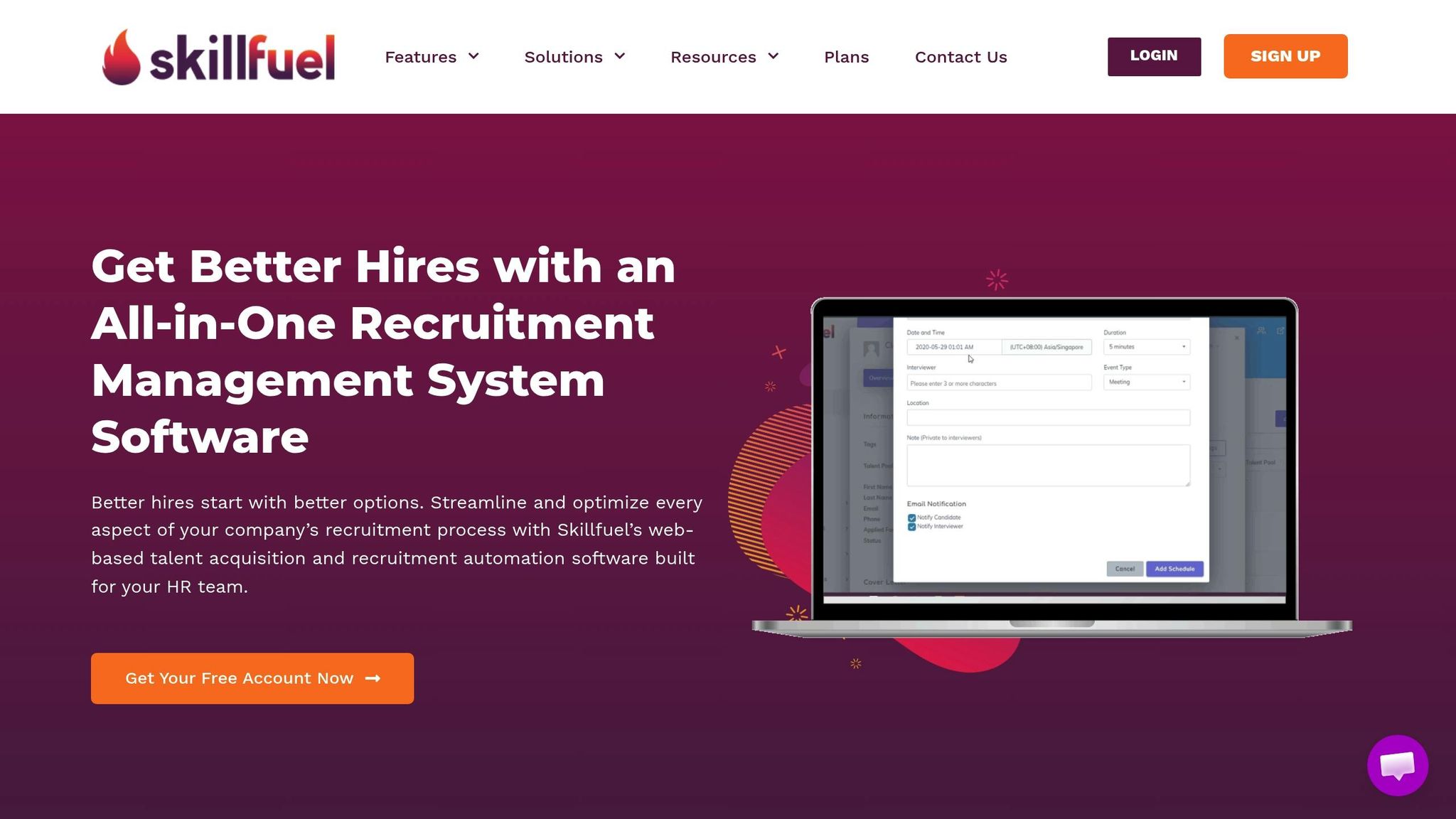
Structured interview training offers clear advantages – less bias, quicker hiring, and stronger retention. But scaling these benefits requires the right tools. Skillfuel’s recruitment management platform provides the framework to design, train, and refine structured interview processes, addressing inefficiencies and bias head-on.
Creating Job-Specific Question Banks
Start by pinpointing the key tasks, skills, and behaviors essential for the role. Skillfuel makes it easy to align interview questions with job descriptions and core competencies, such as problem-solving, technical expertise, and accountability. This approach keeps evaluations centered on job performance instead of personal preferences.
Each question should include a well-defined prompt and follow-up questions designed to uncover specific actions and results. Pair these with a standardized grading rubric that outlines examples of poor, average, and excellent responses. Skillfuel stores these rubrics alongside the questions, ensuring all interviewers apply them consistently, reducing subjective judgment.
Avoid vague or irrelevant questions like "How many golf balls fit in a 747?" These don’t predict job performance or cognitive ability. Instead, focus on behavioral questions like "Tell me about a time…" or situational scenarios like "What would you do if…?" These reveal how candidates think and act in real-world situations.
Training Interviewers with Skillfuel’s Tools
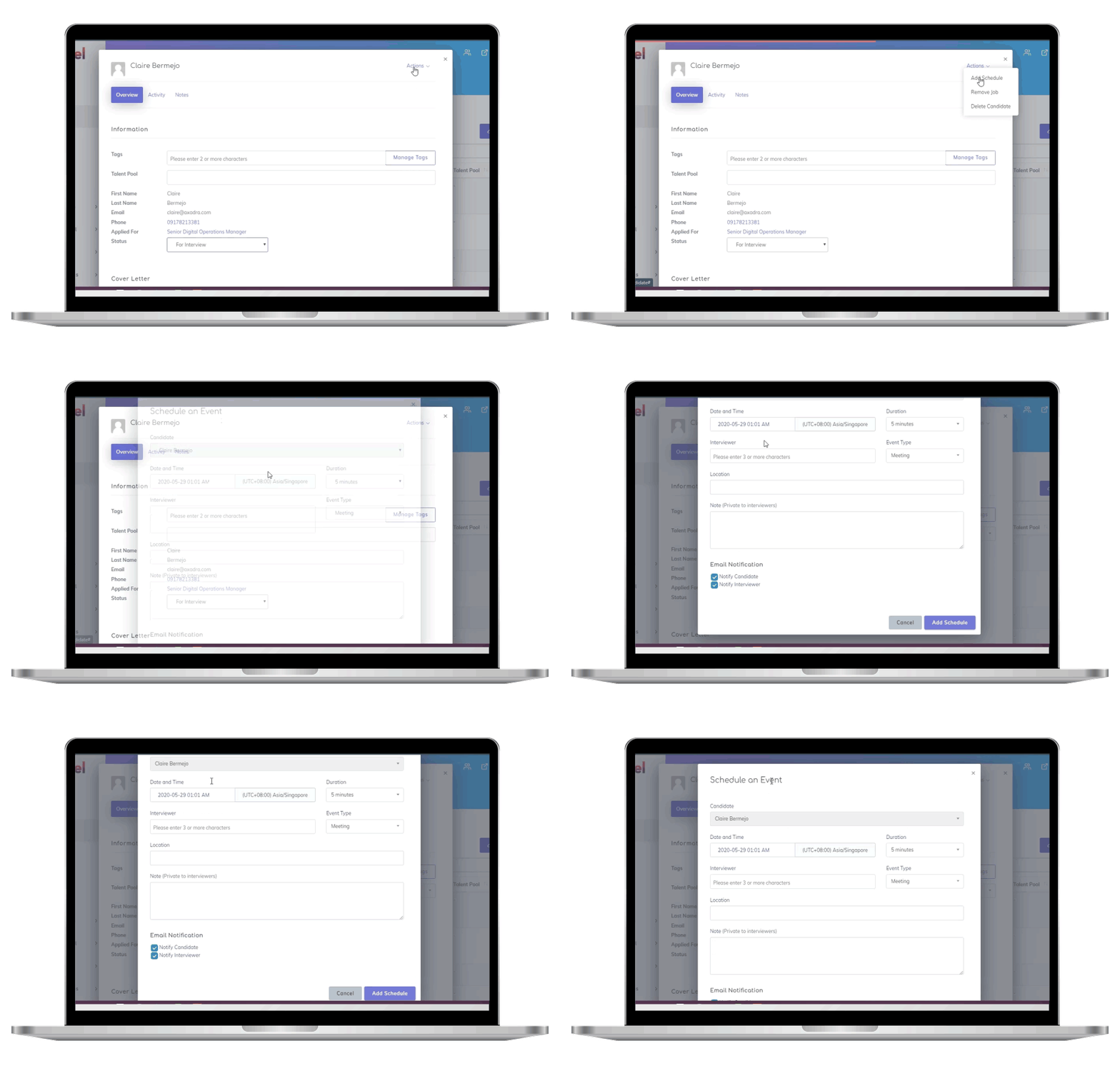
Skillfuel simplifies interviewer training with its applicant tracking system and scheduling tools. Through a centralized dashboard, all interviewers can access the same standardized questions and scoring rubrics for each role, eliminating the inconsistencies of improvised questions.
The platform’s competency-based question mapping ensures evaluations stay aligned with the role’s critical requirements. Skillfuel also tracks whether interviewers use the same role-specific questions and complete standardized scorecards, reinforcing adherence to the structured format. Features like real-time calendar syncing and automated candidate communication help reduce scheduling delays, so interviewers can focus on delivering consistent and fair evaluations. This foundation paves the way for data-backed improvements through Skillfuel Analytics.
Tracking and Improving with Skillfuel Analytics
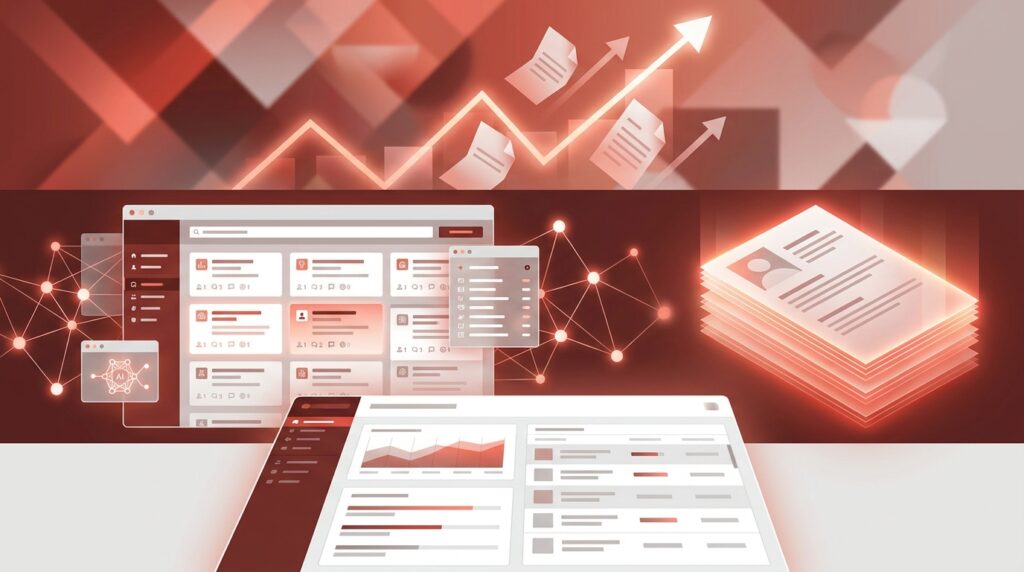
Skillfuel Analytics consolidates interview scores, enabling side-by-side, evidence-based candidate comparisons. The platform monitors interviewer consistency by flagging deviations from structured formats and incomplete scorecards. It also identifies unconscious bias by highlighting subjective comments and variations in scores for similar candidate responses.
Metrics like time-to-hire and interviews-per-hire help assess whether the structured process is reducing delays. Quality-of-hire tracking links interview scores to post-hire outcomes, such as early performance, manager feedback, and 90-day retention rates, confirming whether the process is identifying top talent. Use these insights to fine-tune question banks – if too many candidates are progressing for a single role, early-stage questions may need to be more targeted. Regularly review feedback for subjectivity to ensure training continues to emphasize skills and evidence over personal biases.
Conclusion
Structured interview training shifts hiring from instinct-based decisions to a more objective, evidence-backed process. Google’s research highlights that structured guides and rubrics can save an average of 40 minutes per interview. More importantly, these methods, known for their predictive accuracy, help identify candidates who are more likely to excel.
Interestingly, rejected candidates report a 35% higher satisfaction rate when structured interviews are used – especially notable given that 78% of people perceive traditional hiring methods as biased. A fair and consistent approach not only enhances your employer brand but also reduces legal risks by ensuring equitable treatment for all applicants.
Organizations can easily adopt structured interview training with tools like Skillfuel. This platform simplifies the process by centralizing question banks, standardizing scoring rubrics, and automating scheduling. These features streamline recruitment efforts while providing actionable insights to improve hiring strategies.
"Structured interviews are one of the best tools we have to identify the strongest job candidates (i.e., predictive validity). Not only that, they avoid the pitfalls of some of the other common methods."
– Dr. Melissa Harrell, Hiring Effectiveness Expert, Google
Skillfuel’s free plan makes it even easier to optimize your hiring process. It supports faster hiring cycles, better candidate-job alignment, and stronger retention, all while ensuring that human judgment remains central, with technology serving as an aid rather than a replacement.
FAQs
How do structured interviews help reduce bias in hiring?
Structured interviews are a powerful way to cut down on bias in the hiring process. By sticking to the same set of standardized questions and evaluation criteria for every candidate, they help prevent unconscious preferences or stereotypes from creeping into decisions – something that can easily happen in more casual, unstructured interviews.
This method keeps the focus on job-relevant questions and uses consistent scoring to ensure fairness. The result? A hiring process that’s more objective and equitable for candidates, while also leading to better decisions by emphasizing skills and qualifications over subjective first impressions.
What makes a structured interview process effective?
A structured interview process works well because it creates a consistent and fair way to evaluate candidates. It relies on a set list of job-specific questions, asked in the same order for everyone, which helps ensure that all candidates go through the same experience.
To make the process even more objective, interviewers use standardized rating scales to evaluate answers. This reduces bias and makes the results more reliable. Additionally, training interviewers to follow the process and assess responses fairly is crucial. This approach not only levels the playing field but also increases the chances of finding the right person for the job.
How does Skillfuel support structured interview training for better hiring results?
Skillfuel makes structured interview training easier and more effective by offering tools that help create a consistent and standardized interview process. With features like applicant tracking and interview management, it ensures every candidate is assessed using the same role-specific questions and scoring system. This approach helps reduce bias and promotes a fairer evaluation process.
Automation tools, including interview scheduling and reminders, help streamline the workflow, saving time and reducing mistakes. By centralizing interview data and providing tools for scoring and evaluation, Skillfuel enables hiring teams to implement structured interview techniques with confidence, leading to stronger hiring decisions.