

“The ego can be the great success inhibitor. It can kill opportunities, and it can kill success.” Believe it or not, Dwayne “The Rock” Johnson once said this. And kudos to the former WWE professional wrestler for pinning it down.
Egos can get in the way of building something beyond your wildest dreams. And yet startups love blaming ideas.
“It wasn’t the right market.”
“Timing was off.”
“Investors didn’t get it.”
Founders know the truth. Most startups don’t die from a bad idea. They die because people go sideways. Miscommunication. Hiring too fast. Founder egos.
The Data Doesn’t Lie Even If Founders Do
Startup failure is common. Painfully so.
Exploding Topics reveals that around 90% of startups fail, with people-related issues ranking near the top of causes.
Money runs out. But why? Honestly, teams break. Decisions stall. Trust fades. The idea rarely explodes. The people behind it do.
Founder Stories Tell the Same Tale
A Reddit thread analyzed 50 startup postmortems. The pattern was shocking but expected. Most failures weren’t due to tech or vision. They were about:
- Co-founder conflict
- Poor leadership
- Hiring mistakes
- Emotional burnout
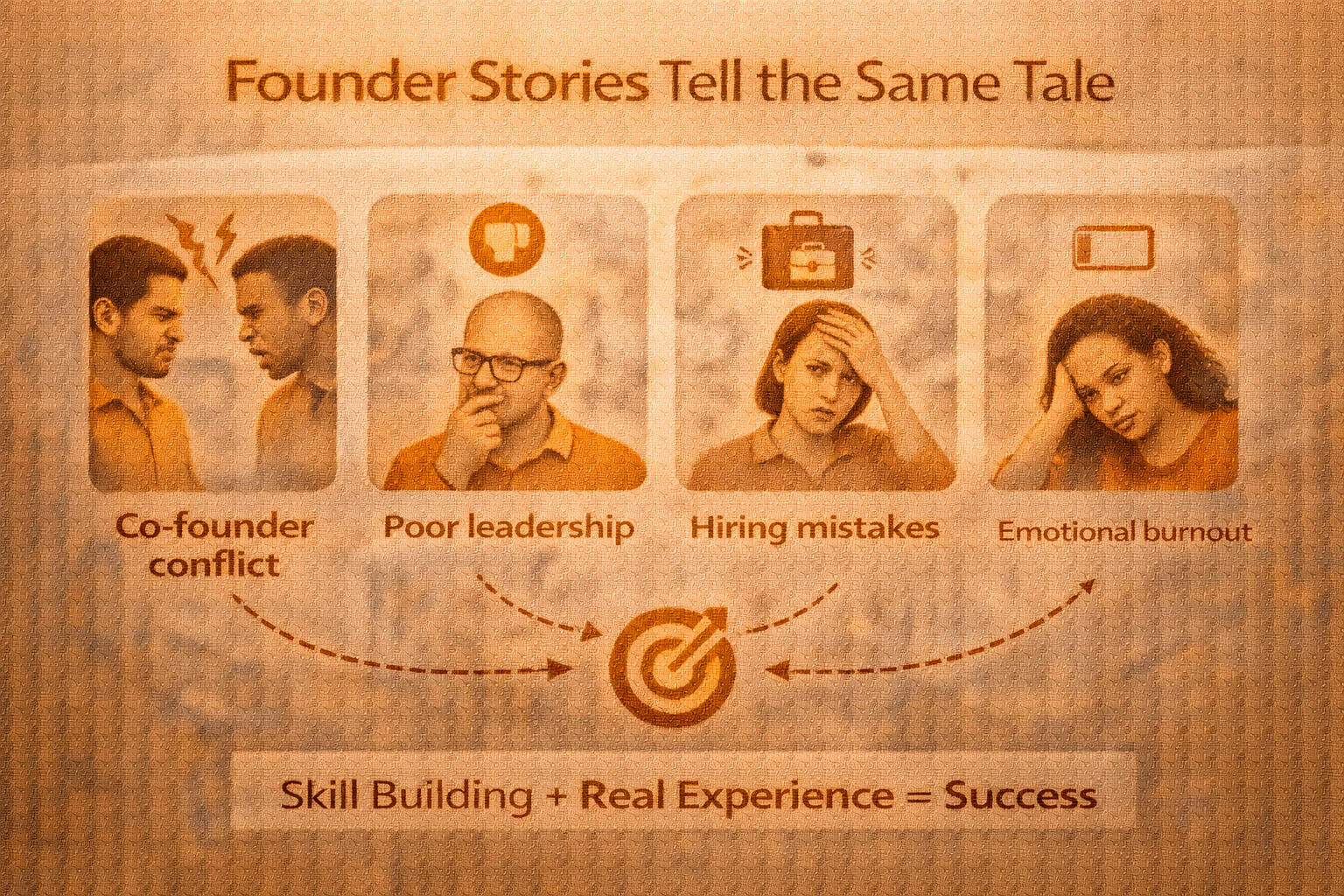
Different industries. Same ending. People-problems snowball fast.
Bad Ideas Get Funded All the Time
The uncomfortable part is that terrible ideas raise money all the time.
A piece from the Entrepreneurship Handbook speaks on how weak concepts still attract investors when the story sounds good. So if bad ideas can survive early stages, why do smart startups fail?
Execution is human. Unfortunately, humans are messy. It’s our downfall.
Paul Graham Called It Years Ago
Computer scientist and venture capitalist Paul Graham has seen thousands of startups crash.
His list of startup mistakes reads less like a tech manual and more like a psychology lesson. Common themes include:
- Founders stop talking
- Teams lose focus
- Ego beats judgment
- Stress wrecks decision-making
The idea didn’t betray them. The dynamics did.
Co-Founder Conflict: The Silent Killer
It starts small. Different working styles. Different risk tolerance. Different expectations. No one addresses it.
“We’ll deal with it later” never comes.
Entrepreneur reports that co-founder disputes are among the top mistakes that kill new companies. By the time lawyers show up, it’s already over.
Emotional Skills Are Not Optional
Many founders are builders. Not listeners. Not mediators. Not therapists. However, leadership demands all three.
That’s why some founders intentionally learn counseling-style skills. Or better yet, manage your team like a school counselor. Explaining this example will help you understand the comparison better.
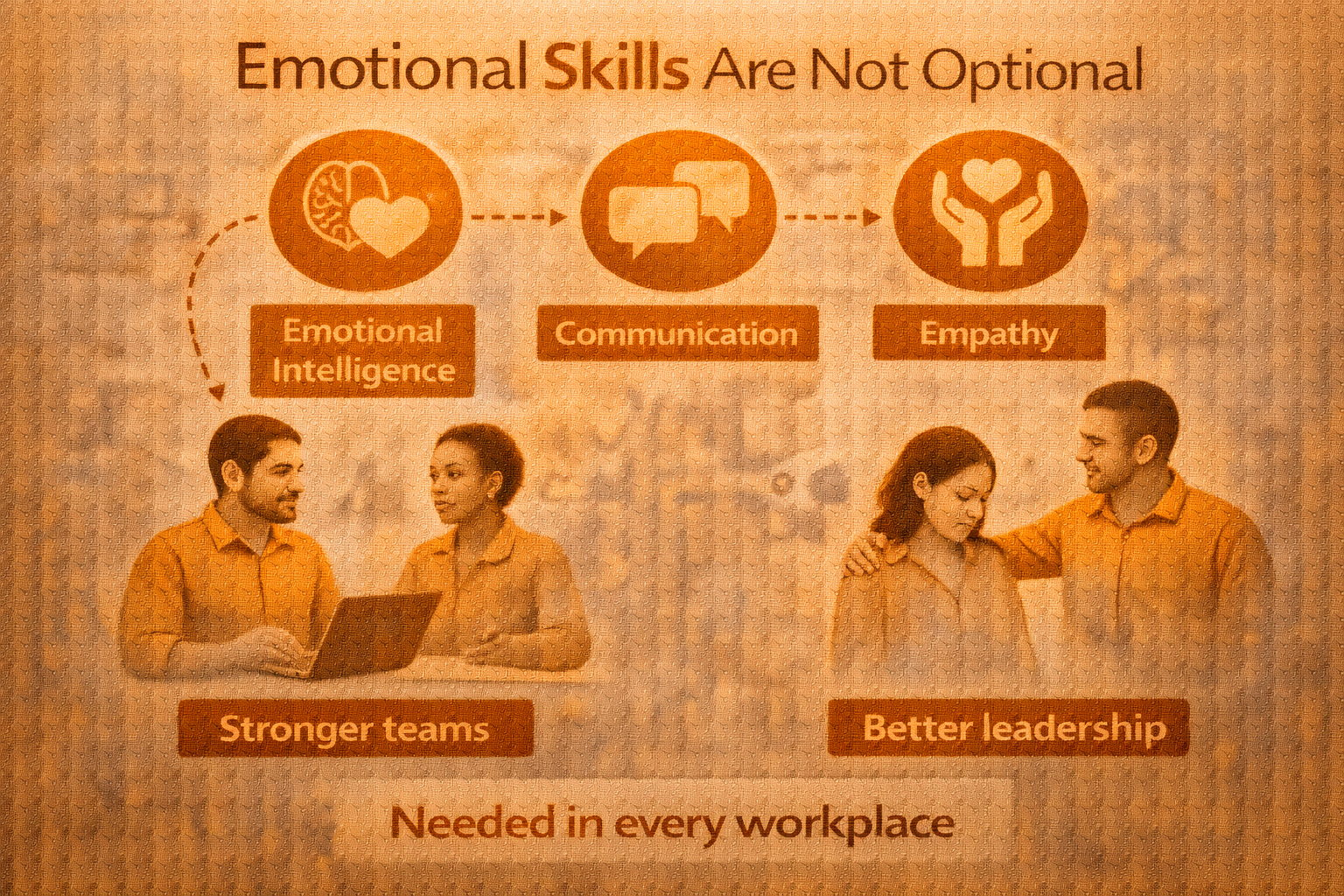
School counselors are adept at conflict handling, active listening, and emotional regulation. School counseling master’s programs focus on understanding behavior, communication breakdowns, and group dynamics. In other words, they know how to deal with the playground bully.
Walsh University adds that school counseling degrees build practical skills. These can be effective for interviewing techniques, essential for supporting diverse communities.
Hiring Fast Feels Good Until It Doesn’t
While we’re on the subject of hiring staff…
Early growth feels exciting. New faces. New roles. New energy. And then culture cracks, accountability blurs, and one bad hire poisons the room.
Founders make the mistake of hiring for speed instead of fit. That’s a people problem, not a strategy flaw.
Startups don’t need more resumes. They need better judgment.
Burnout Doesn’t Look Dramatic At First
Burnout shows up when you least expect it. It shows up in short tempers, bad calls, and avoiding conversations.
Founders push through since “that’s the culture”. Then judgment slips. And the team feels it.
The lesson is that people don’t quit startups. They quit how startups make them feel.
Culture Isn’t a Perk List
Culture isn’t bean bags or Slack emojis. It’s what happens when things go wrong.
Do people speak up? Or stay silent? Do leaders listen? Or defend? Ignore culture, and chaos fills the gap.
Even companies working on cutting-edge tech fall apart when leadership ignores human impact. Tech scales fast. Human judgment must keep up.
What Smart Founders Do Differently
They don’t avoid people problems. They deal with them early. They:
- Talk often
- Set clear expectations
- Address tension fast
- Ask uncomfortable questions
They treat leadership like a skill, not as a personality trait.
The Fix Isn’t Complicated
Forget the therapy speak and frameworks. You need:
- Honest conversations
- Better listening
- Clear roles
- Calm reactions
That’s it! Founders who invest in people skills stay alive longer. Not that their idea is perfect, but because their team is functional.
Ideas Don’t Argue Back
People do.
Ideas don’t burn out. People do. Ideas don’t hold grudges. People do.
If your startup fails, it probably won’t be due to a bad idea. The simple reason will be that no one dealt with the human stuff soon enough.
Handle people well, and a shaky idea has a shot. Ignore them, and the best idea in the world won’t save you.
Author Bio: Writer by day, dream catcher by night. Marchelle Abrahams cut her teeth during the infancy of the internet when the dial sound of the modem was more than a soundbite at a rave. Not a Millennial and not a Boomer, Marchelle is an in-betweener, making her a special breed of human. As a qualified journalist, Marchelle believes her superpower is stringing a few words together and people reading them.