
Graduating is a big deal. You’ve studied hard. You passed the exams. You made it through long nights and tougher mornings.
Then comes the practical part.
For many students entering the healthcare field, this step feels harder than expected. Not because they don’t care. Not because they didn’t learn. But real-world care is different from the classroom in ways no syllabus can fully prepare you for.
The Gap Between Knowing and Doing
In class, problems have clear answers. Case studies come with neat conclusions. Time is controlled.
In actual healthcare settings, things move fast. Patients don’t follow scripts. You’re juggling people, emotions, and decisions all at once.
This gap comes as a massive reality shock. It’s common in nursing and other healthcare fields. And it’s well documented. New graduates can feel overwhelmed when care doesn’t match what they expected from training.
School hasn’t failed you. It only means that real life is complex.
Confidence Drops Before It Rises
Many students presume to feel confident right after graduating. When that doesn’t happen, self-doubt creeps in.
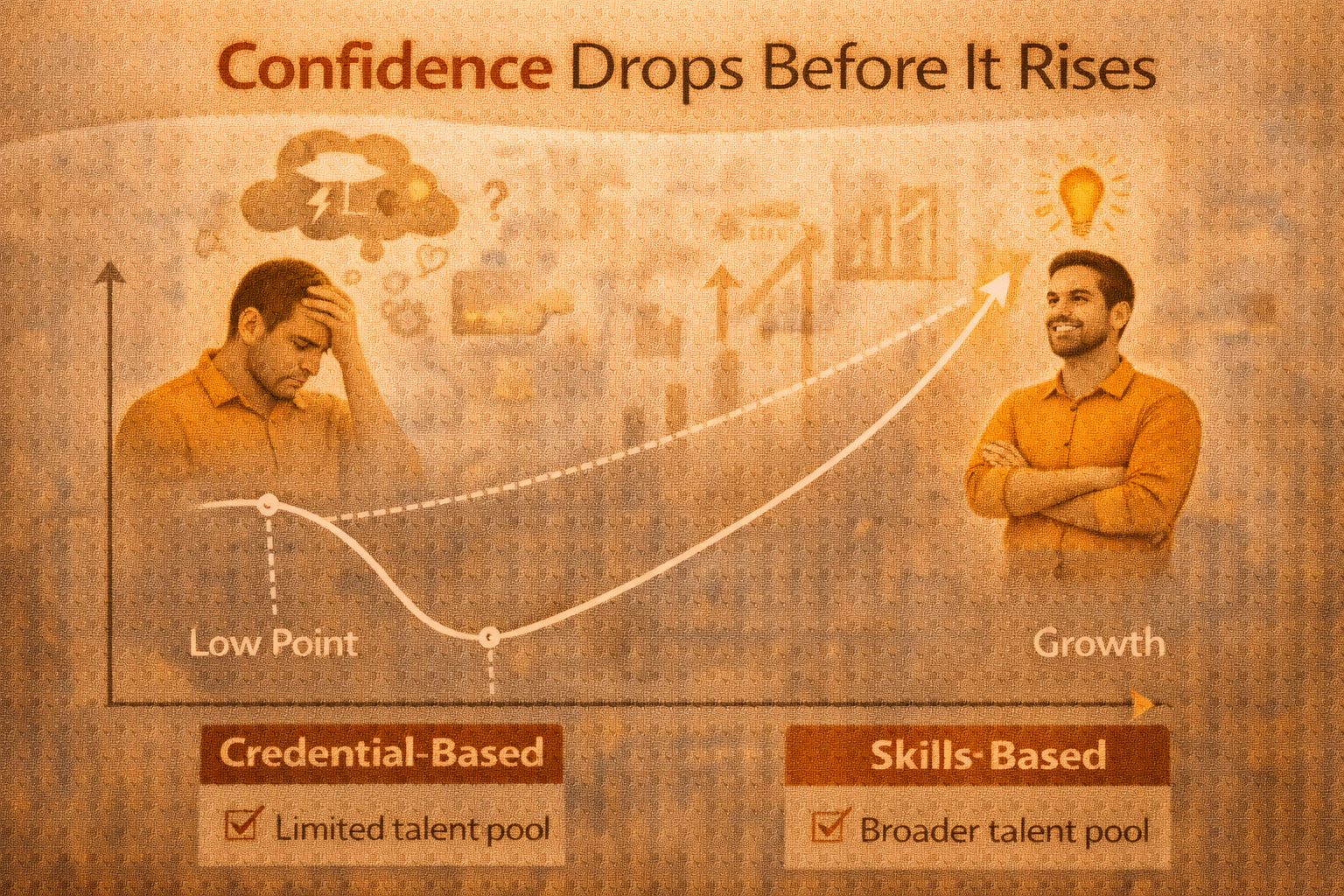
Research published in medical education journals shows that early exposure brings anxiety, even among high-performing students.
You may know what to do. But knowing when and how to do it takes time. Confidence grows through repetition. Not perfection.
Learning Changes in the Real World
In school, learning is structured. In practice, learning is reactive.
You learn while standing. While answering questions. While trying not to make mistakes.
Studies on professional learning show that people struggle most when they can’t connect theory to action right away. Learning doesn’t stop. It just looks different.
You’re now learning by doing.
The Pressure Feels Personal
Patients trust you in a healthcare setting. Supervisors watch you. Teams rely on you. That pressure can be heavy.
A study in the Journal of Occupational and Organizational Psychology found that early-career professionals struggle with role stress and fear of making mistakes.
You’re not learning skills. You’re stepping into responsibility. That takes adjustment.
Feedback Hits Harder in Practice
Feedback comes through grades or written notes while in class.
In the real world, it can happen in real time. Sometimes in front of others. This can feel uncomfortable, even discouraging.
But feedback in practice is about safety and growth, not judgment. It’s meant to protect patients and help you improve faster.
Still, it takes a thick skin to hear it.
Who Guides You Shapes How You Grow
The right support makes a huge difference. Strong mentors help bridge the gap between theory and practice.
They explain why things are done a certain way. They model calm decision-making. They create space for questions. Without that support, students can feel lost.
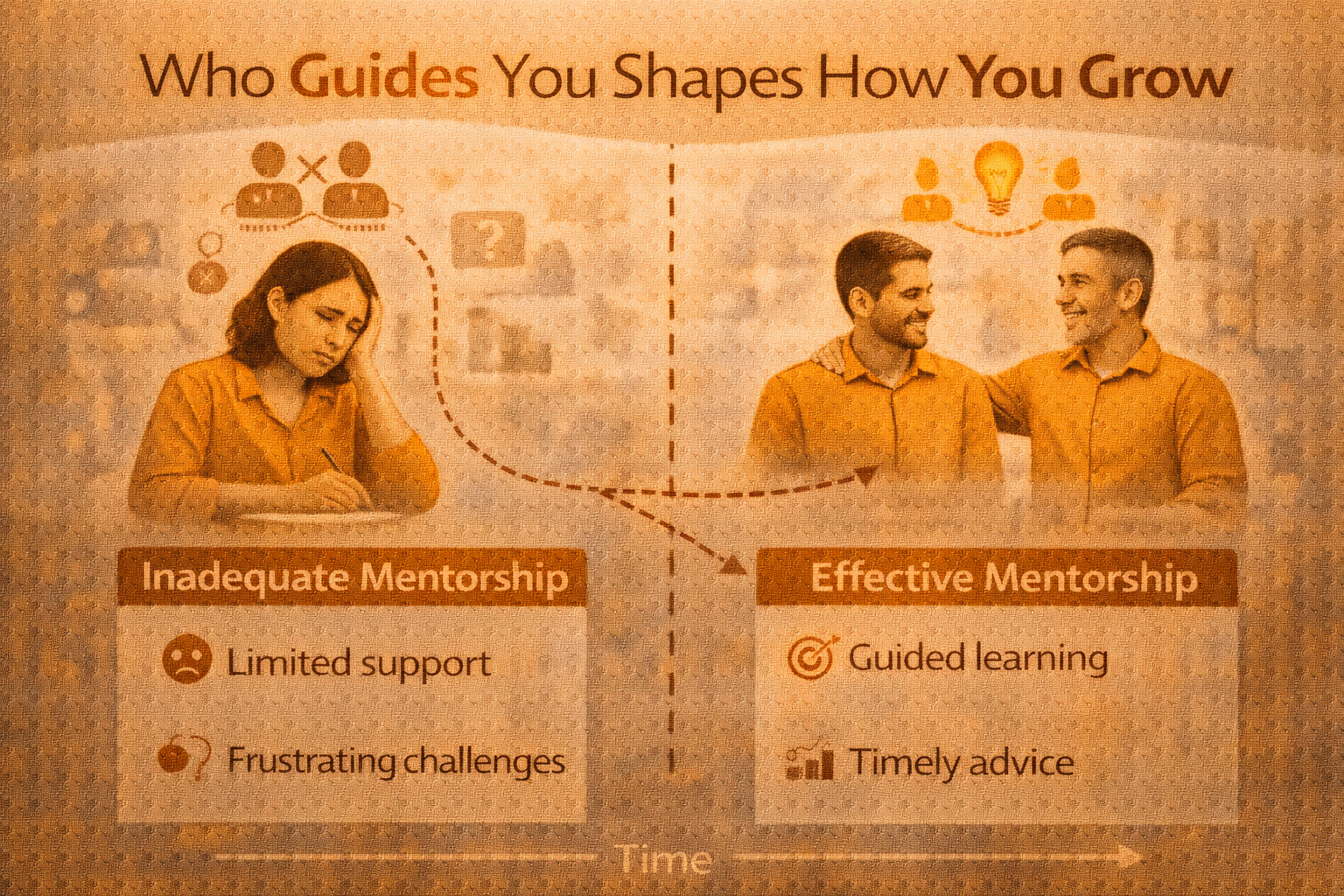
That’s why many nursing students struggle to secure quality placements and guidance. NP preceptor finder platforms help connect students with experienced clinicians who are ready to teach. Nurse practitioner preceptor finders exist to make the process smoother and more reliable.
Good mentorship doesn’t remove stress. It does, however, make it manageable. ClickClinicals explains that NP preceptor placement services are guided by data, experience, and a focus on helping students meet their coursework requirements.
Why Observation Isn’t Enough
Some students assume learning means watching experienced staff. Yet growth happens when you’re allowed to try. To speak. To make small mistakes safely.
The Last Minute Lecture YouTube channel recently hosted a discussion on work readiness. Experts highlighted how passive learning slows confidence, while guided participation builds it faster.
Take the opportunity to step in with support close by.
Systems Don’t Always Match School
Care is ideal in school. Care works within limits in a healthcare setting. Time. Staffing. Resources. Policies.
Times Higher Education reports that gaps between universities and industry create friction when graduates enter the workforce. Learning to work within systems is a skill on its own.
And it’s rarely taught in textbooks.
What Helps the Transition Feel Easier
Accept That Discomfort Is Part of Growth
Feeling unsure doesn’t mean you’re failing. It means you’re learning.
Ask Questions Early
Confusion grows when it stays silent.
Focus on Progress, Not Perfection
You don’t need to know everything yet. You need to keep improving.
Lean on Mentors
Strong guidance shortens the learning curve.
Use Support Tools
Finding the right placement and preceptor can shape your entire experience. Think structured support.
You’re Not Behind. You’re Becoming
The jump from classroom to real-world healthcare is hard because it’s not theory anymore. It’s scary. It’s different.
Errors feel bigger. But this stage doesn’t last forever. With time, practice, and the right support, things will click.
What once felt overwhelming starts to feel familiar. Your confidence will grow. You don’t go from student to expert overnight. You go from learning about care to learning how to give it.
And that transition, as hard as it is, is where real professionals are made.
Author Bio: Writer by day, dream catcher by night. Marchelle Abrahams cut her teeth during the infancy of the internet when the dial sound of the modem was more than a soundbite at a rave. Not a Millennial and not a Boomer, Marchelle is an in-betweener, making her a special breed of human. As a qualified journalist, Marchelle believes her superpower is stringing a few words together and people reading them.