For many people, sport begins as something they do for enjoyment. They join a local club, play on weekends, compete in tournaments, or spend years practicing a favorite activity simply because they love it.
Over time, however, that experience can become more than a hobby.
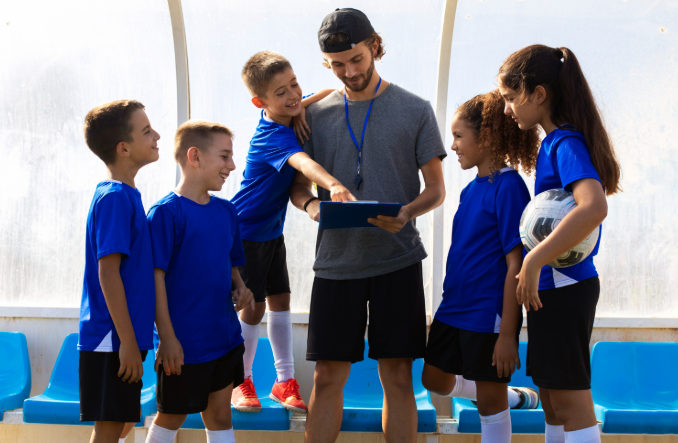
Someone who has spent years participating in a sport may already possess many of the foundations needed to become an effective coach. They understand what it feels like to learn a new technique, struggle with a particular skill, receive feedback, prepare for competition, and gradually improve. With the right additional training and experience, that perspective can become the starting point for a professional coaching career.
Coaching is not simply about being good at a sport. It involves teaching, communication, planning, motivation, observation, leadership, and the ability to adapt to different people. Current career guidance for sports coaches highlights skills such as leadership, verbal communication, teaching, performance monitoring, organization, and the ability to motivate participants.
That makes the transition from participant to coach a realistic pathway for people who want to turn their sporting experience into meaningful work.
Being Good at a Sport Is Only the Beginning
One of the biggest misconceptions about coaching is that the best athlete automatically makes the best coach.
Playing ability certainly helps. A strong understanding of technique, rules, tactics, and the demands of competition can give a coach valuable subject knowledge. But coaching requires a different set of abilities as well.
A participant focuses primarily on their own performance. A coach has to focus on someone else’s development.
That means understanding why an athlete is struggling, explaining a technique in a way they can understand, identifying weaknesses, providing constructive feedback, and creating an environment where the person feels motivated to continue learning.
A talented player might instinctively know how to perform a movement without knowing how to explain it. A coach needs to bridge that gap.
The good news is that these coaching abilities can be learned.
1. Start With the Sport You Already Understand
The easiest transition is often to begin with a sport you already know well.
If you have played tennis for years, for example, you already understand the basic equipment, scoring system, techniques, training routines, and common challenges players encounter.
That foundation can make it easier to learn how to teach others.
The same applies to swimming, football, basketball, golf, martial arts, athletics, or other activities. Your experience as a participant gives you context that can be difficult to acquire from a textbook alone.
You know what it feels like to make mistakes. You understand the frustration of losing a match or struggling with a particular movement. You may remember which explanations helped you and which ones did not.
Those experiences can become valuable teaching tools.
2. Learn How to Teach, Not Just How to Perform
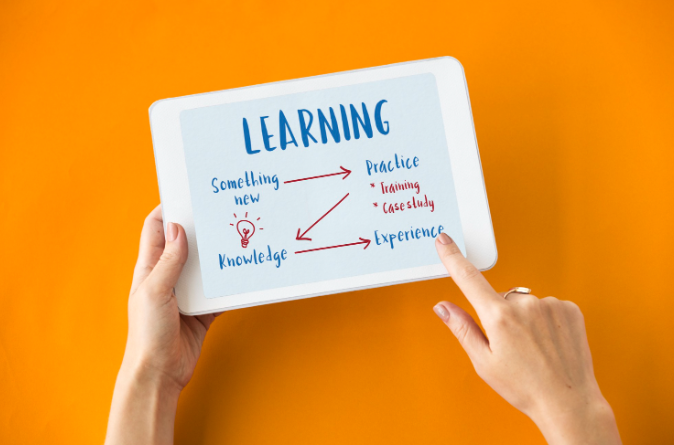
The transition from participant to professional begins when you stop thinking only about performance and start thinking about learning.
A coach needs to break complicated skills into manageable steps.
For example, rather than telling a beginner to “improve their serve,” a coach might identify specific elements such as stance, ball toss, grip, swing path, timing, and follow-through.
The same principle applies to swimming. Instead of simply telling someone to “swim faster,” an instructor might look at body position, breathing, kick technique, arm movement, rhythm, and confidence in the water.
Good coaching turns a complicated objective into a series of understandable actions.
This is why teaching ability is such an important part of professional coaching. UK career guidance describes sports coaches as people who teach skills, give feedback, monitor performance, motivate participants, and design appropriate activities.
3. Communication Becomes One of Your Most Important Tools
A coach can have extensive technical knowledge and still struggle if they cannot communicate effectively.
Different participants respond to different types of instruction.
One person might learn best from a detailed verbal explanation. Another might need a demonstration. Someone else may benefit from trying the movement repeatedly while receiving small corrections.
Effective coaches learn to adjust.
UK Coaching emphasizes that there is no single approach that works for every participant and that coaches need to understand individual needs, motivations, and circumstances.
This makes communication much more than simply giving instructions.
It includes listening, asking questions, observing reactions, encouraging people, giving constructive criticism, and creating enough trust for participants to feel comfortable making mistakes.
4. Your Experience as a Participant Gives You Empathy
One advantage former participants can bring into coaching is empathy.
You remember being the beginner.
You remember not understanding a technique, feeling nervous before a competition, struggling to maintain motivation, or comparing yourself with more experienced players.
That perspective can help you understand what your own students are experiencing.
A beginner may not need more pressure. They may need reassurance.
A talented young athlete may not need more technical instruction. They may need help managing expectations.
An adult returning to sport after many years may need a completely different coaching approach from a competitive teenager.
Understanding these differences is one of the qualities that separates a competent instructor from an exceptional coach.
5. Learn to Build Training Sessions
Professional coaching involves preparation.
A good session usually has a purpose. The coach needs to know what participants should learn, how the session will progress, and how activities can be adjusted depending on ability.
A basic session might include:
- A warm-up
- Skill development
- Drills or practice activities
- Applied exercises
- Feedback and correction
- A short review or cool-down
As experience grows, coaches can create more specialized sessions around individual goals.
For a beginner, the priority might be confidence and basic technique. For an experienced player, it could be tactical decision-making or performance under pressure.
Planning therefore becomes an important professional skill alongside sporting knowledge.
6. Consider Formal Training and Qualifications
Being experienced in a sport is a useful starting point, but professional coaching often requires additional education, certifications, or sport-specific qualifications.
Requirements vary according to the sport, country, organization, and level at which you want to work.
National governing bodies and professional coaching organizations often provide structured pathways for people who want to become qualified coaches. In the UK, for example, the National Careers Service lists university and college routes, apprenticeships, work-based pathways, and volunteering as possible ways into sports coaching.
For someone considering tennis as a career, exploring opportunities related to becoming a tennis coach can be a useful starting point for understanding how sporting knowledge can translate into professional opportunities.
The goal is not necessarily to collect as many certificates as possible. Instead, choose training that matches the type of coaching you want to provide.
7. Swimming Can Turn Technical Knowledge Into Instruction
Swimming provides another strong example of how participation can develop into a coaching or instruction career.
Someone who has spent years swimming may understand stroke technique, water confidence, training routines, and common challenges. But teaching swimming requires additional skills because students can vary dramatically in age, confidence, ability, and learning speed.
A beginner who is uncomfortable in the water requires a different approach from a competitive swimmer working on performance.
For someone interested in turning swimming knowledge into a career, exploring opportunities to become a swim school instructor can help illustrate the difference between participating in a sport and teaching it professionally.
Swimming instruction can also be rewarding because progress can sometimes be seen very clearly. A student who was initially nervous in the water may eventually become comfortable with basic movements, while a more advanced swimmer can develop technique and confidence.
8. Coaching Develops Leadership Skills
Coaching is essentially a leadership role.
You are responsible for helping another person move from their current ability toward a desired goal.
That requires setting expectations, providing direction, making decisions, managing group dynamics, and maintaining motivation.
Leadership in coaching is not necessarily about being authoritative. In many cases, the strongest coaches lead by creating trust and encouraging participants to take ownership of their development.
A good coach can say, “Here’s what I see. What do you think is happening?”
That approach encourages athletes to think rather than simply follow instructions.
Over time, this can help participants become more independent and better at analyzing their own performance.
9. Learn to Give Feedback That People Can Use
Feedback is one of the most important responsibilities of a coach.
However, simply telling someone what they did wrong is not particularly useful.
Effective feedback explains what happened, why it matters, and what the participant can do differently.
For example, instead of saying:
“Your tennis serve is inconsistent.”
A coach might explain:
“Your ball toss is moving too far to the left, which is changing the point of contact. Let’s work on keeping the toss slightly more consistent before we increase the serving speed.”
The second approach gives the participant something specific to work on.
The same principle applies to positive feedback. Instead of generic praise, a coach can identify exactly what improved.
That makes progress easier for participants to recognize and repeat.
10. Safety and Responsibility Matter
Professional coaching also involves responsibility for the people participating in sessions.
Coaches need to understand appropriate safety practices and, depending on the setting, first aid, safeguarding, injury prevention, and emergency procedures.
This becomes particularly important when working with children, older adults, beginners, or people with specific physical needs.
The exact requirements vary by role, but professional coaches should understand the boundaries of their expertise. A coach is not automatically a doctor, physiotherapist, nutritionist, or psychologist.
Knowing when to refer someone to an appropriate professional is part of responsible coaching.
11. Start Gaining Experience Before You Expect a Full-Time Career
You do not necessarily need to quit your current job and immediately become a full-time coach.
A gradual transition can be much more practical.
Consider starting with:
- Volunteering at a local club
- Assisting an experienced coach
- Helping with beginner sessions
- Coaching friends or community groups
- Working with junior programs
- Taking sport-specific courses
- Running small practice sessions
- Recording and reviewing your coaching sessions
The UK National Careers Service specifically identifies volunteering as one possible route into sports coaching.
This approach allows you to test whether you genuinely enjoy coaching before making a major career decision.
It also gives you something extremely valuable: experience working with real participants.
12. Build a Reputation One Student at a Time
Once you begin coaching, your reputation becomes an important professional asset.
People remember coaches who make them feel supported, understood, and capable of improving.
A coach who consistently arrives prepared, communicates clearly, provides useful feedback, and treats participants respectfully can gradually develop a strong reputation.
That reputation can lead to referrals.
One student may recommend you to another. A parent may recommend you to another family. A club may ask you to take on additional sessions.
Over time, coaching can develop through relationships as much as through formal job applications.
Coaching Can Become More Than One Career Path
Becoming a coach does not necessarily mean staying in exactly the same role forever.
With experience, coaches may move into senior coaching, coach development, sports administration, program management, performance analysis, community sport, or other areas of the sports sector.
Some coaches also build independent businesses.
They may provide private lessons, group classes, holiday programs, corporate activities, youth training, or specialized instruction.
Others combine coaching with another career.
For example, someone might coach evenings and weekends while working another job during the week. This can allow them to gradually build a client base without immediately depending on coaching as their sole source of income.
Turning Passion Into a Professional Skill
The biggest difference between participating in sport and coaching professionally is perspective.
As a participant, your primary question is often:
How can I get better?
As a coach, the question becomes:
How can I help someone else get better?
That shift changes everything.
You begin observing rather than simply performing. You learn to explain rather than simply demonstrate. You become interested in why someone is struggling and what might help them improve.
Your years of sporting experience become raw material for a new professional skill set.
The transition does require work. Technical ability alone is not enough, and professional coaches need education, practical experience, communication skills, and a commitment to continued development.
But you do not necessarily have to begin from scratch.
The sport you already love can provide the foundation. Your experience as a participant can help you understand your students. And with the right training and practice, that knowledge can become a career built around helping other people discover what they are capable of achieving.
In that sense, becoming a coach is not about leaving your experience as an athlete or participant behind.
It is about turning that experience into something you can pass on.