

If there’s one thing that companies around the country are recognizing, it’s the way good talent is getting hard to find. To be honest, this isn’t a new problem. According to data from the Society for Human Resource Management, 91% of organizations had difficulty recruiting full-time workers back in 2022. That percentage has reduced, but even in 2025, it was still about 70%.
Yet, one would have hoped that the situation would have improved by 2026. The fact is that high-skill workers have now become as selective as employers have traditionally been. They know they’re in demand and are taking full advantage of the fact to secure favorable employment terms.
As such, companies now have to play the game they’re responsible for starting. Today, let’s look at three ways you can raise the odds.
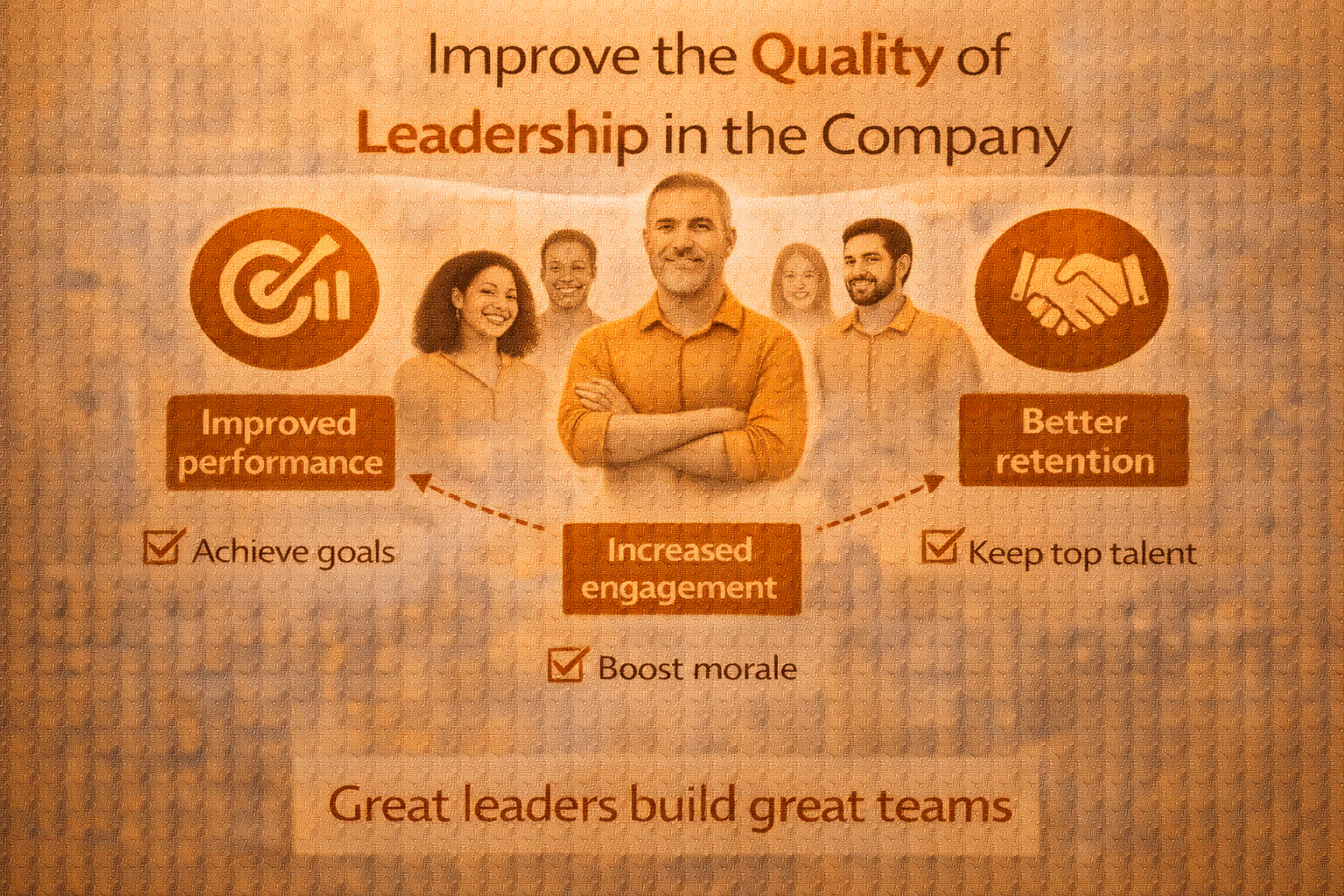
Improve the Quality of Leadership in the Company
Something that a lot of companies overlook is the impact that leadership has on attracting good people. This tends to be a blind spot for a lot of CEOs because it’s the people who know how to play the game that get into managerial positions. Unfortunately, the environment that some managers build can be incredibly toxic. Eventually, that toxicity affects the entire company culture, and the word spreads.
There’s even data to back this up. Gallup’s State of the Global Workplace report noted that leadership quality is the biggest predictor of engagement, and engagement influences turnover. They found that global engagement was only at 21% and that declines in engagement are tied closely to manager and leadership performance.
Some CEOs have gone as far as sponsoring management to further their professional education. At a basic level, this can involve simple workshops, but you could go as far as having them do a doctorate in leadership online. This would naturally be for exceptional situations, where you see great potential in a manager and want to develop them.
As Spalding University notes, these courses allow people to complete the course flexibly and 100% online. So, it doesn’t interfere with their responsibilities at work. The whole purpose of improving management and leadership quality is that it has a ripple effect that extends to talent attraction. This makes the investments quite worthwhile.
Take a 10,000-Foot Perspective of Your Company
Another aspect that has a role to play in attracting good talent is perspective. Too many leaders are like frogs in a well and rarely look at things from a different perspective. They might recall their own professional growth and feel like the current stock of workers is getting a great deal, most of the time.
Yet, the reality is often more complicated than that. For the majority of people, goals like owning a home or getting married and having a family are far more difficult today. People are disillusioned, and as data would show, even highly skilled workers are pausing before making big commitments.
For instance, the international movement of highly skilled workers fell by 8.5% in 2025. That’s about 220,000 fewer professionals willing to relocate long-term or permanently for work. That said, the U.S. still holds its number one spot in the list of destinations for work.
The point here is that it doesn’t hurt to be a little more flexible and focus on the metrics that matter. It’s a win-win situation when both the worker gets a good deal and when you gain a loyal, hard-working team member.
Reputation Management Is Worth the Effort
Sometimes, the reason a good company has difficulty attracting talent is a less-than-stellar reputation. This could be caused by a disgruntled ex-employee with a vendetta and a knack for riling up people on social media. It could also be caused by poor decisions the company has made in the past that people haven’t forgotten.

Regardless of the reason, too many companies decide to ignore their reputation. Sure, people will always have something to complain about, but if it’s affecting you in terms of talent acquisition, it makes no sense to sit on your thumbs and do nothing.
Typically, the first step is an audit, and then PR specialists are brought in. Sometimes, these experts also have valuable advice on how the company is being perceived by candidates. If the internal culture needs to be addressed in a serious way, organizational psychologists are often involved.
They analyze where the pain points are through interviews with employees at all levels. They may look at the decision-making structure and help leadership and staff recognize core issues and biases that are creating a toxic culture.
Ultimately, most problems with talent acquisition can be addressed by being honest. Rarely is the situation so complex that experts need to be brought in. Instead, the solutions are extremely obvious, but leadership hesitates to take them.
Getting around such inhibitions and fears about workers taking advantage of goodwill can make a massive difference. Until then, there’s always going to be that icy divide that creates an us vs. them culture that deters new talent.
Author Bio: Paul Lazarus is a freelance content writer and violinist by profession. He holds a master’s degree in psychology and writes content for a wide range of industries, including real estate, legal, healthcare, crypto, and more.