
Let’s take two workplace scenarios for you to consider. First, professional development is treated as optional. Second, everyone can be seen flaunting their latest verified skills and updating their LinkedIn profiles.
Which environment would you rather be a part of? Since a recent report showed that employees are increasingly highlighting their skills in real time, perhaps we have an answer. Moreover, the same study found that 14% of recruiters on LinkedIn filter hiring searches by skills alone, bypassing degrees entirely.
The labor market of today values real capabilities over formal credentials. So, what does it take to prepare the next generation of professionals? This article will explore three critical strategies.
Prioritize Continuous Skill Development
What is the one thing that every modern workforce needs? Well, it’s the ability to learn, unlearn, and relearn. This is crucial in view of the fact that skills that were sought-after just a year ago may have become outdated now.
As per a 2025 industry snapshot, 84% of HR managers believe generative AI will help close skills gaps. Even so, nearly half of the organizations continue to report that many roles need new skills to stay competitive. This just shows how fickle expectations can be.
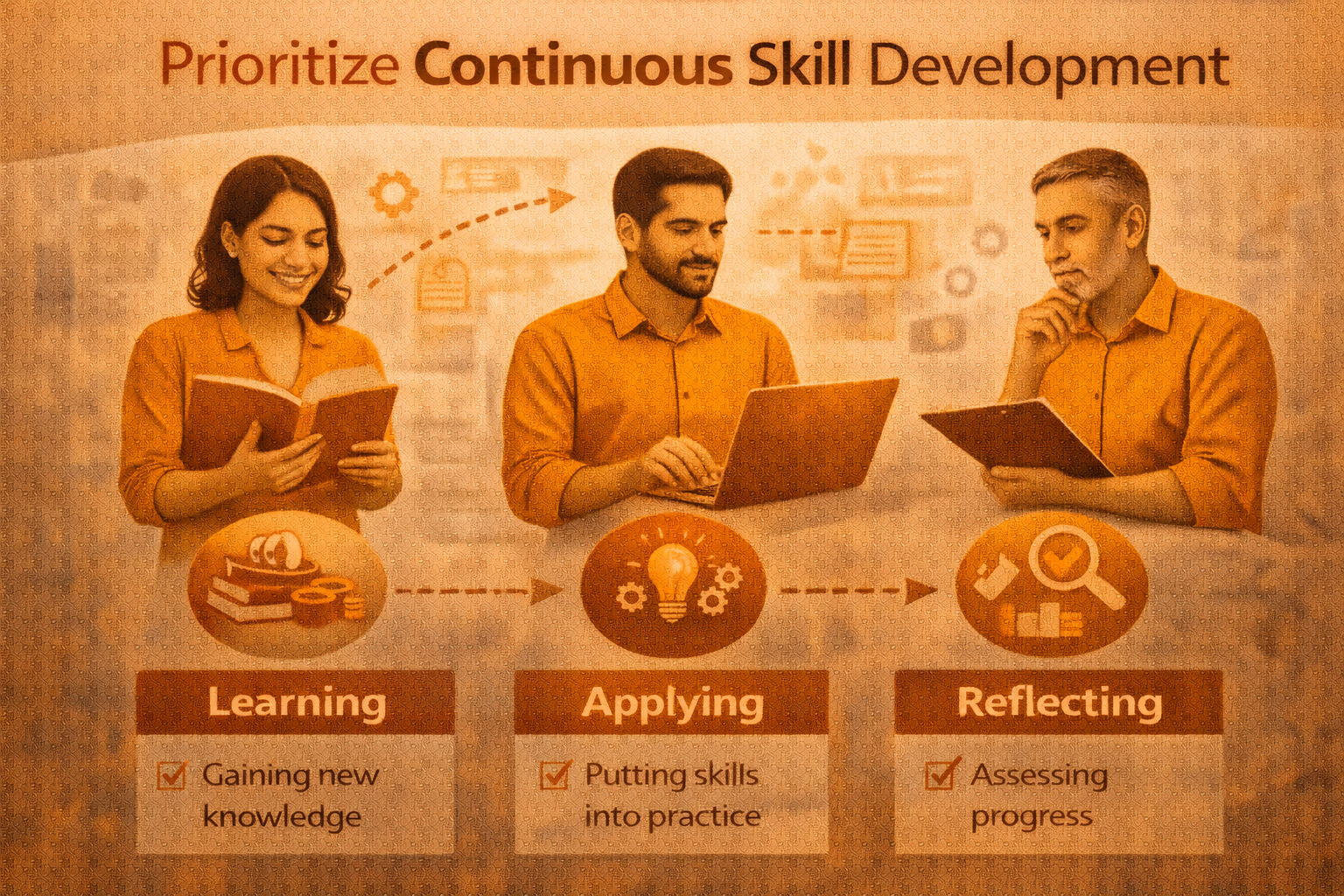
Development of skills should be an ever-evolving process, one involving smart and measurable learning. No time has been more critical from this viewpoint than now, given the adoption of digital transformation and hybrid work.
Now, there can be this issue where the thought of ongoing learning may seem monotonous for employees. Here are ways in which organizations can make the process both effective and engaging:
- Develop personalized learning opportunities based on individual strengths and career goals.
- Provide employees with proper access to new tools and concepts before yesterday’s knowledge becomes obsolete.
- Combine formal learning with real-world job insights, even if it’s shared over a coffee chat.
- Include learning materials in the daily workflow, so the knowledge is immediately useful.
- Make use of data analytics to optimize programs for better impact.
Skills that are developed constantly become a competitive edge for any organization. After all, skills-based hiring is on the rise. With such a strategic approach, you will be growing teams that are resilient and ready to innovate.
Invest in Advanced Educator Preparation
One mistake many organizations make is that they equate building the next generation of professionals with only developing new skills. While that is great and all, it’s just the tip of the iceberg. What you need to do is to build the very people who teach those skills.
You can look at them as the architects of knowledge within your company. These professionals must know what to teach and how to make it engaging enough for the audience to pay attention.
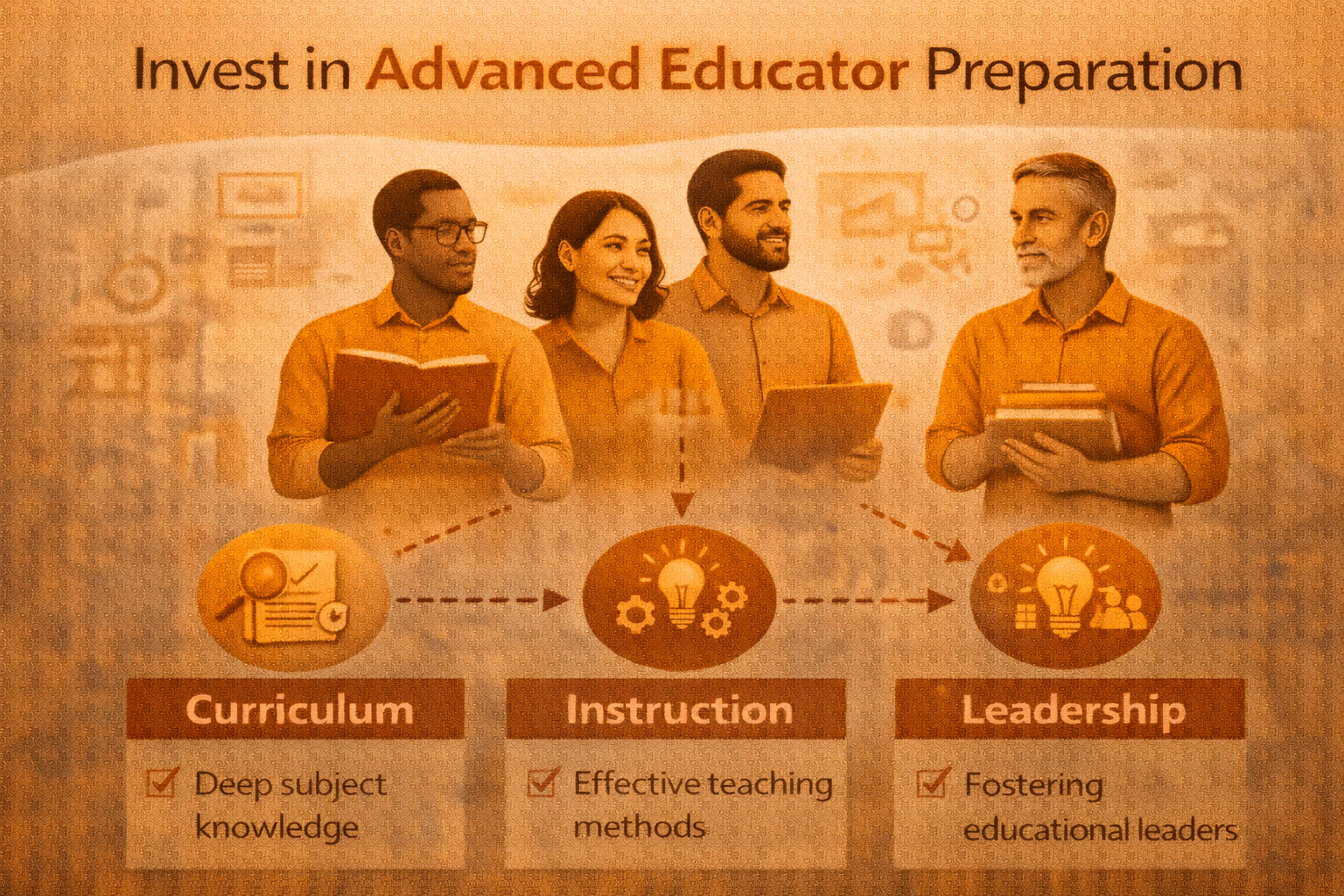
In healthcare, professionals pursuing a PhD in nursing education are a good example. They are not preparing to deliver lectures eventually. Such professionals implement evidence-based teaching strategies to mold entire generations of future practitioners.
As Wilkes University shares, the application of evidence-based research will impact population health outcomes and the future of nursing education. Over and above academic jargon, this is about transforming an educator into a strategic workforce influencer.
Let’s look at the effective ways to prepare educators for organizational growth:
- Support advanced training in the form of certifications and specialized degrees.
- Pair new instructors with seasoned pros, so unique tips and insights are passed along.
- Use data-driven insights, as leaving matters to guesswork is so outdated.
- Allow the educators to refine the curricula together, so the programs may actually work for real people.
With investment in educator preparation, you will be planting a tree whose shade will benefit the entire workforce. There is bound to be a multiplier effect since a single educator is able to build dozens or hundreds of employees.
Foster a Culture of Knowledge Sharing
The first thing that comes to mind for most companies is training programs. What better way to build the next generation of professionals than these programs, right? Upon closer look, there is a way, and that has to do with whether or not knowledge flows freely.
Unless the work atmosphere is such that learning becomes contagious, there’s little hope. As per a 2025 research, organizations that nurture knowledge sharing between managers and employees enhance overall performance. This is especially true of areas like innovation and market efficiency.
The more there are channels for knowledge to move freely, the more organizational performance improves. Plus, you can excel at recruiting based on culture fit. So, what are some ways to cultivate a culture where knowledge is shared openly? Take a look at these:
- Host internal innovation days for employees to pitch insights and swap expertise across teams.
- Use gamifying tactics, such as points and badges, that motivate employees to learn meaningfully.
- Let employees spend a day or a week in a different team to understand workflows and challenges different from their own.
- Conduct storytelling sessions where employees are encouraged to share case studies and lessons learned.
- Celebrate the progress of employees, especially stories where knowledge sharing helped drive innovation or secure projects.
Keep knowledge baked into your organization’s culture and watch a learning community unfold. Generations will gain new insights this way, and undoubtedly, will push the whole company forward.
According to a 2025 study published in BMC Psychology, effective knowledge management practices boost job satisfaction significantly. In other words, all employees are asking for is to feel supported to learn and share what they know.
Even from a futuristic perspective, a workplace that cultivates knowledge as a social asset retains top talent. The real takeaway is not that learning matters. A workplace’s very DNA is shaped by how employees learn and share knowledge. So, are you ready to create an army of next-gen professionals?
Author Bio: Deepika is a budding content writer with a strong interest in turning complex topics into content that is engaging and easy to understand. She’s especially drawn to research-backed subjects that encourage seeing things from a new perspective. Outside of writing, novels and fine arts keep her creativity alive.